Top 10 Ways to Clean Aircraft Windshields Without Scratches?

Time:2026-09-16 Author:Aria
0%

An aircraft windshield is not ordinary glass. Its transparent layers may include acrylic, polycarbonate, coatings, or embedded heating elements. Each material reacts differently to pressure, solvents, and temperature. How to clean an aircraft windshield without scratching it? The answer begins with the aircraft manufacturer’s maintenance manual and approved cleaning products. Those sources provide more reliable guidance than general household cleaning advice.

Field experience shows that fine dust causes many avoidable scratches. A dry cloth can drag grit across the surface like sandpaper. One grain is enough. Proper cleaning starts with a careful inspection, clean water, and a soft, aircraft-approved microfiber cloth. Technicians should rinse loose particles away before wiping. They should also use gentle, straight passes instead of aggressive circular motions. Small details matter.

This guide explains ten practical ways to protect windshield clarity during cleaning. It discusses preparation, water quality, cloth selection, approved cleaners, drying methods, and inspection under bright light. It also highlights common mistakes, including paper towels, ammonia-based products, rough sponges, and excessive pressure. Some recommendations may seem overly cautious. They are not. A rushed cleaning can leave hazy streaks, stress marks, or permanent surface damage. Even experienced personnel can miss a small contaminant. That deserves reflection. Reliable results come from patience, documented procedures, and careful adherence to manufacturer instructions. When uncertainty remains, consult a qualified aircraft maintenance professional before continuing.
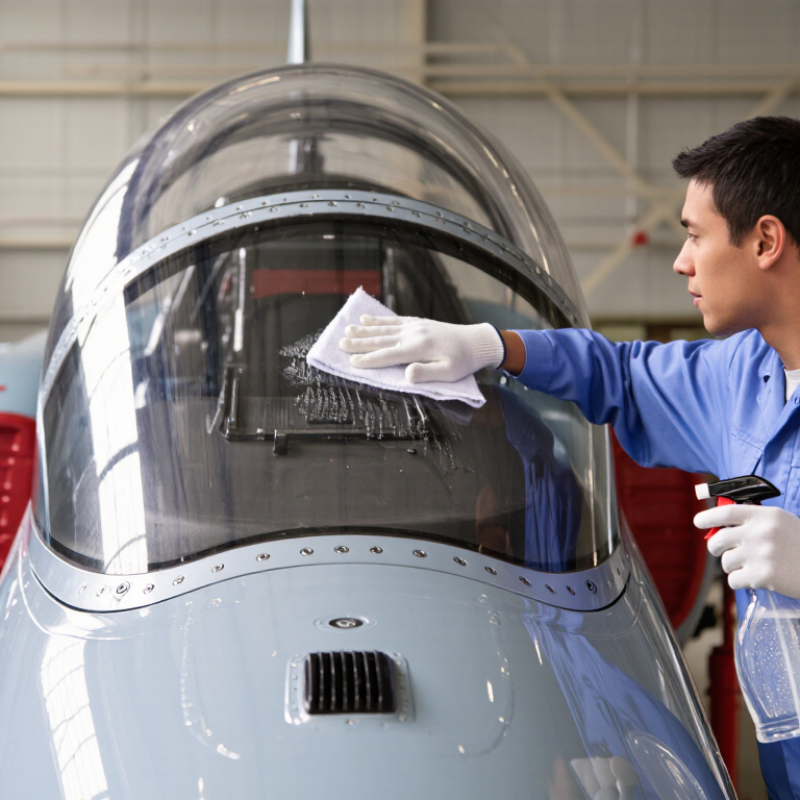
Top 10 Ways to Clean Aircraft Windshields Without Scratches?

Understanding Aircraft Windshield Materials and Scratch Risks

Aircraft windshields are not ordinary glass. Many use stretched acrylic or polycarbonate, sometimes with hard coatings. These materials flex under pressure and may react badly to solvents. Their surfaces can look clear, yet tiny marks scatter sunlight during approach. A single grain of sand can act like abrasive powder.

Cleaning should begin with a gentle flow of clean, lukewarm water. Let loosened dust leave the surface before touching it. Use a soft, lint-free cloth reserved for transparent panels. Fold it often, and change sides after each pass. Wipe in straight, overlapping strokes with almost no pressure. The cleaner must be confirmed compatible with the windshield material and coating. Household glass products may contain ammonia or alcohol, which can weaken some plastics. Never scrape dried insects with a blade. Do not polish cloudy areas casually; polishing can distort optical clarity.

Inspect the panel under angled light before and after cleaning. Look for fine radial lines, hazing, edge cracks, or coating changes. If grit remains, stop and rinse. It is easy to blame the cloth, but trapped dirt is often the culprit. I would also question “clean” water from an unverified container. It may carry minerals or residue. Not always. Follow the aircraft maintenance manual and approved procedures, especially when visibility is affected. A small scratch deserves qualified inspection, not repeated wiping.

Top 10 Ways to Clean Aircraft Windshields Without Scratches

Aircraft windshields commonly use stretched acrylic, polycarbonate, or laminated glass. Acrylic and polycarbonate are lighter and more scratch-sensitive than glass, so loose dust, abrasive tools, harsh solvents, and dry wiping should be avoided.

Relative scratch-risk scale: 1 = lowest risk when performed correctly; 5 = highest risk. The ratings reflect material sensitivity and cleaning technique, not a manufacturer test result.

Gathering Safe Cleaning Tools and Aviation-Approved Products

Safe windshield cleaning begins with the tool, not the motion. Use clean, lint-free microfiber cloths reserved for cockpit windows. Keep one cloth for washing and another for drying. A soft natural sponge may work, but only when it contains no grit. Inspect every cloth under bright light. One trapped metal shaving can leave a permanent arc. I learned to treat used rags as contaminated, even when they look clean. That habit feels excessive, but acrylic remembers small mistakes.

Choose an aviation-approved cleaner listed in the aircraft maintenance manual or component supplier’s instructions. Confirm that it suits the windshield material, coatings, seals, and nearby painted surfaces. Avoid household glass cleaner, ammonia, powdered products, and strong solvents. They can damage acrylic, polycarbonate, or protective coatings. Check the product label, safety data sheet, dilution ratio, and expiration date. Never mix cleaners. Test a small edge area first, preferably with maintenance approval.

Before wiping, remove dust with low-pressure air or a gentle water rinse. Do not dry-rub a dusty surface. Spray cleaner onto the cloth, not directly onto the windshield. Work in straight, overlapping passes with almost no pressure. Turn the cloth often. Stop if you feel dragging. A clean-looking cloth may still become abrasive after one panel. Store tools in sealed bags, away from fasteners and workshop dust. Record the product and inspection result in the maintenance log when procedures require it.

Removing Loose Dirt Before Applying Any Cleaning Solution

Before cleaning an aircraft windshield, park the aircraft securely and let the surface cool. Heat can make plastic windows more vulnerable to pressure and chemical damage. Inspect the windshield under angled light. Dust, sand, dried insects, and tiny metal particles may hide in reflections.

Small particles matter. Never wipe grit across the surface. Use a clean, soft, dry brush to lift loose debris gently. Move in one direction, with almost no pressure. A low-pressure air blower may help, but only when permitted by the aircraft maintenance manual. Avoid directing strong compressed air at seals, edges, or fittings. It can push dirt into narrow gaps. Keep it cool.

I have found that patience prevents most scratches. I once rushed this step and noticed a faint mark after cleaning. The dirt looked harmless, but one grain had enough hardness to damage the surface. That mistake changed my routine. I now brush from the upper edge downward and inspect the cloth and brush repeatedly. If either tool collects grit, I replace it immediately. Do not use paper towels, shop rags, or clothing sleeves. Their fibers can trap abrasive particles. A clean work area also matters; nearby sanding or engine work can release fresh dust. When loose debris is gone, check again from several angles before applying an aviation-approved cleaning solution. If particles remain, repeat the dry removal process. The extra minute is worth it.

Cleaning the Windshield with Gentle, Controlled Wiping Techniques

Aircraft windshields need controlled wiping, not aggressive polishing. FAA guidance requires transparent surfaces to remain clean and free from conditions that impair pilot visibility (14 CFR 23.773). FAA Advisory Circular 43.13-1B also recommends compatible cleaners, soft materials, and careful inspection during maintenance.

Start with cool glass and remove loose grit using clean, low-pressure water. Never drag dry dust across the surface. Use a lint-free cloth, folded into a flat pad. Work in sections about 15 centimetres wide. Wipe in straight, overlapping passes with light pressure. Turn the cloth often. One dirty corner can create fine scratches.

Keep it deliberate.

A second cloth should dry the surface immediately. Check the windshield from several angles, especially under hangar lighting. Look for wiper arcs, cloudy patches, trapped grit, or distorted reflections. ASTM D1003 describes haze as a measurable loss of transmitted clarity, but aircraft operators should follow the windshield manufacturer’s approved limits and maintenance records. The FAA does not provide one universal scratch-rate threshold, so local inspection criteria matter. I have found that rushing the final wipe causes more defects than the cleaner itself. That weakness deserves attention. Avoid household ammonia, abrasive pads, paper towels, and improvised solvents unless approved by the aircraft maintenance data.

Inspecting, Drying, and Protecting the Surface After Cleaning

Top 10 Ways to Clean Aircraft Windshields Without Scratches

A clean aircraft windshield still needs careful inspection. Before wiping, examine it under bright, angled light. Look for dust, dried insects, fluid spots, chips, cracks, and cloudy areas. Small particles can act like sandpaper when dragged across the surface. Use clean, lint-free cloths and materials approved by the aircraft maintenance manual. Never begin with a dry wipe.

After cleaning, inspect the windshield again from inside and outside. Check for streaks, trapped moisture, loose sealant, and areas that look unusually dull. Dry the surface with gentle, straight passes rather than circular rubbing. Do not press hard near edges, fasteners, or seams. A missed spot is better than a scratched panel.

Tips: Use separate cloths for washing and drying. Replace any cloth that touches the floor. Work in shade when possible. Let the surface cool first. Keep cleaning liquid away from vents and electrical controls. If water gathers along the frame, remove it with a soft absorbent cloth. Do not scrape hardened debris. Soften it and wait.

Protection starts with prevention. Store the aircraft where airborne dust is limited, and keep the windshield covered with a clean, non-abrasive cover when appropriate. Follow the maintenance schedule for approved protective treatments. Avoid household glass cleaners unless the manual specifically permits them. In practice, even careful technicians sometimes miss a faint streak near the lower edge. That is worth admitting. Reinspect before flight, especially after night cleaning or poor lighting.

FAQS

What tools should be prepared before cleaning an aircraft windshield?

Use clean, lint-free microfiber cloths reserved for cockpit windows. Keep separate cloths for washing and drying. Inspect them under bright light.

Why should used rags be treated as contaminated?

A cloth may look clean but still hold grit or metal shavings. One tiny shaving can leave a permanent arc on acrylic. It feels excessive, but caution matters.

Which cleaning product is suitable for an aircraft windshield?

Select a cleaner approved by the aircraft maintenance manual or component instructions. Confirm compatibility with the window material, coatings, seals, and nearby paint.

Which household products should be avoided?

Avoid household glass cleaners, ammonia, powdered products, and strong solvents. They may damage acrylic, polycarbonate, or protective coatings. Never mix cleaners.

What should be checked before using a cleaning solution?

Read the label and safety data sheet. Check dilution instructions and expiration dates. Test a small edge area when maintenance approval permits it.

How should loose dirt be removed before wet cleaning?

Park the aircraft securely and let the windshield cool. Use a soft, clean brush or permitted low-pressure air. Move debris downward with almost no pressure.

Why is dry-rubbing a dusty windshield dangerous?

Dust, sand, insects, and metal particles can scratch the surface. Never drag grit across the window. I once rushed this step and found a faint mark.

How should the cleaner be applied and wiped?

Spray the cleaner onto the cloth, not directly onto the windshield. Use straight, overlapping passes with minimal pressure. Turn the cloth often.

What should be done if the cloth starts dragging?

Stop immediately and inspect the cloth. Replace it if it contains grit or feels abrasive. A clean-looking cloth can become unsafe after one panel.

How should cleaning tools be stored afterward?

Store brushes and cloths in sealed bags, away from fasteners and workshop dust. Record the product and inspection result when required by maintenance procedures.

Conclusion

How to clean an aircraft windshield without scratching it? Start by identifying the windshield material and understanding that aviation transparencies can be more sensitive than ordinary glass. Use only clean, soft microfiber cloths, non-abrasive tools, and aviation-approved cleaning solutions that are compatible with the surface. Before applying any liquid, gently remove loose dust, sand, and other particles with air or a soft, clean method to prevent them from dragging across the windshield.

Apply the cleaning solution lightly and wipe with gentle, controlled strokes rather than circular scrubbing or heavy pressure. Use separate cloths for cleaning and drying, and replace any cloth that becomes dirty or contaminated. Afterward, inspect the windshield under good lighting for streaks, residue, or remaining particles. Dry the surface completely, then check for scratches, cloudiness, or damage. Regular, careful cleaning and proper protection can help preserve visibility, reduce surface wear, and extend the useful life of the aircraft windshield.

Aria

Aria

Aria is a dedicated marketing professional with a deep passion for innovative strategies and a keen understanding of our company's product offerings. With a wealth of experience in the industry, Aria excels at crafting engaging content that highlights the unique features and benefits of our......