2026 Best Aircraft Radio for Reducing Engine Static?

Time:2026-09-11 Author:Amelia
0%

Choosing the 2026 best aircraft radio for reducing engine static requires more than comparing display size or advertised features. A clear transmission begins with the entire electrical and audio system. Alternator noise, poor bonding, damaged shielding, loose grounds, and headset wiring can all create a buzzing or whining sound. The radio may be blamed unfairly.

“Why is my aircraft radio picking up engine static?” This question often appears after a pilot hears noise that rises with engine RPM. In my experience, that pattern deserves careful testing, not guesswork. Switching between intercom settings, testing another headset, and checking the noise with the engine off can reveal useful clues. Small details matter. A faint whine can point toward charging-system interference. A sharp crackle may suggest a connection problem.

This guide will examine current aircraft radios, noise-reduction features, installation quality, and practical compatibility concerns. It will consider reputable manufacturer documentation, maintenance guidance, and feedback from experienced pilots and avionics professionals. Certified technicians should inspect aircraft wiring, grounding, filters, and bonding before any replacement decision. Never treat a radio upgrade as a substitute for proper troubleshooting.

The most expensive unit may not be the best choice. A well-installed radio can outperform a newer model with poor grounding. That is an easy point to overlook. Results also vary between aircraft, engines, headsets, and electrical systems. This review aims to provide realistic comparisons, useful questions, and cautious recommendations for pilots seeking cleaner cockpit communication in 2026.
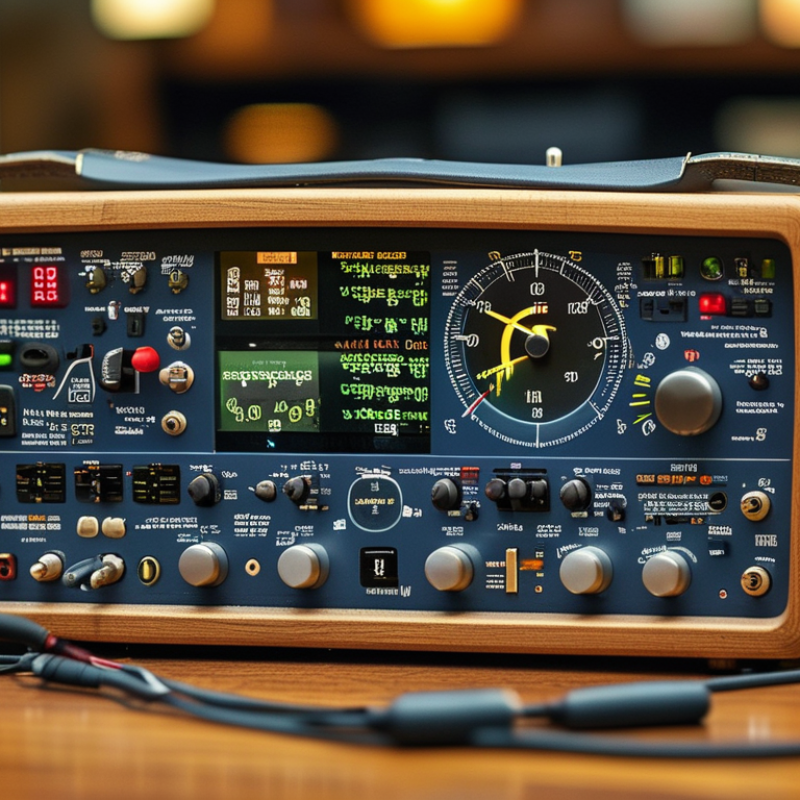
2026 Best Aircraft Radio for Reducing Engine Static?

What Engine Static Is and How It Affects Aircraft Radio Performance

Engine static is unwanted electrical noise heard as crackles, pops, or a rising whine through the aircraft radio. It often follows engine speed. Ignition systems, alternators, loose grounds, and damaged shielding can create this interference. A weak connection may sound harmless on the ground, then become obvious during climb. Static does not always mean the radio itself is defective. It can mask incoming speech and make transmission seem unreliable.

During troubleshooting, listen for patterns. A sharp ticking sound may suggest ignition leakage, while a smooth whine often points toward charging-system noise. I once blamed the radio immediately. That assumption was wrong. Checking bonding straps, headset wiring, antenna connections, and power grounds revealed more useful evidence. A qualified aircraft technician should inspect these areas and follow approved maintenance procedures. Radio filters can help, but they should not hide a poor installation or damaged component.

Tips: Record when the noise appears. Note engine speed, electrical loads, headset position, and weather conditions. Turn systems on and off one at a time, without disturbing flight safety. Compare the intercom with the radio, because noise in both suggests a shared ground or power issue. Choose an aircraft radio with effective audio filtering and proper installation support, but treat filtering as the final layer. A quiet cockpit begins with clean power, secure grounding, and careful testing. Some faults remain intermittent, which makes patience part of the diagnosis.

Key Features of Radios Designed to Reduce Engine Static

2026 Best Aircraft Radio for Reducing Engine Static?

Engine static often begins as a faint crackle, then grows during takeoff. A suitable aircraft radio should offer adjustable squelch, effective noise blanking, and clear audio filtering. Digital signal processing can separate speech from repetitive ignition noise, but it cannot repair poor wiring. The FAA’s AC 43.13-1B identifies bonding, shielding, and grounding as essential practices for reducing electrical interference. Its guidance remains useful during radio replacement and troubleshooting.

Professional selection also requires installation evidence. The FAA’s 2023 General Aviation and Part 135 Activity Survey recorded more than 27 million general aviation flight hours, showing how heavily cockpit communication equipment is used. Radios designed for this environment should tolerate vibration, temperature changes, and electrical fluctuations. RTCA DO-160 testing covers these operating stresses. However, certification testing does not guarantee a quiet cockpit. A badly bonded microphone cable can still create an irritating whine. I have found that “more filtering” is not always better; aggressive filtering may remove natural speech detail.

Tips: Check the aircraft’s bonding straps before replacing the radio. Inspect shield terminations for loose or painted contact points. Test the radio with the engine off, at idle, and near cruise power. Record the noise pattern. This simple comparison can reveal whether the problem comes from the radio, alternator, ignition system, or intercom. A technician should verify the installation against current maintenance data, because one overlooked ground path can defeat an otherwise capable radio.

2026 Best Aircraft Radio for Reducing Engine Static?

Key Features of Radios Designed to Reduce Engine Static

Aviation VHF communication radios operate within the 118.000–136.975 MHz band. Channel spacing may be 25 kHz or 8.33 kHz, depending on regional airspace requirements. Channel spacing does not directly remove engine static, but a suitable radio should also provide effective squelch, audio filtering, shielding, grounding, and reliable power-supply noise control.

Engine static is often caused by ignition-system interference, alternator noise, poor bonding, damaged coaxial cable, or inadequate grounding. Radio installation quality can therefore be as important as the radio itself.

How to Compare Noise Filtering, Wiring, and Audio Control Options

2026 Best Aircraft Radio for Reducing Engine Static?

Choosing an aircraft radio for engine static requires more than comparing advertised noise filters. The cockpit wiring often determines the result. During maintenance checks, listen with the engine off, at idle, and during higher power settings. Static that rises with engine speed may indicate alternator noise, poor grounding, or a damaged shield.

Compare radios by their adjustable squelch, built-in audio filtering, and microphone input controls. A useful filter should reduce steady electrical noise without removing speech clarity. Excessive filtering can make voices sound thin or clipped. Check whether the radio supports separate intercom volume, sidetone adjustment, and independent audio inputs. These controls help isolate navigation audio from engine noise.

Wiring matters greatly. Use properly routed shielded cable, secure connectors, and short ground paths. Keep audio wires away from ignition leads and high-current power cables. A certified aviation technician should inspect bonding and verify continuity with suitable test equipment. Small installation errors can create surprising noise. I have found that a new radio does not always cure an old grounding problem.

Tips: Record the static under identical power settings. Compare the radio with a known-good headset. Inspect connector pins for looseness or oxidation. Avoid choosing the strongest filter immediately; speech intelligibility should guide the adjustment. Recheck the system after maintenance, because vibration can expose faults that were invisible on the workbench.

Installation Factors That Influence Static Reduction

2026 Best Aircraft Radio for Reducing Engine Static?

Installation Factors That Influence Static Reduction

A new aircraft radio cannot remove static caused by poor installation. In field troubleshooting, I check the ground path before replacing equipment. The FAA’s AC 43.13-1B recommends bonding resistance below 0.003 ohm between bonded metallic parts. A loose instrument-panel ground can exceed that target quickly. Corrosion makes it worse.

Ground the radio to a clean airframe point, not only through mounting screws. Keep the audio return separate from high-current lighting and motor circuits. Route coaxial cable away from ignition leads, alternator wiring, and strobes. Sharp bends can damage shielding. They can also create small but persistent noise paths. Less noise, usually.

The antenna installation deserves equal attention. A damaged connector, weak shield termination, or poor antenna ground plane may sound like engine interference. RTCA DO-160G treats electromagnetic interference as a defined environmental test condition, not an afterthought. Its testing framework supports checking conducted and radiated susceptibility during equipment approval. However, laboratory compliance does not guarantee a quiet cockpit after installation. That assumption is easy, and sometimes wrong.

Use an oscilloscope or calibrated avionics test set when the noise is inconsistent. Record whether static changes with throttle, transmit power, lights, or cabin equipment. The FAA Aviation Maintenance Technician Handbook emphasizes systematic fault isolation and proper bonding practices. That advice remains practical. I have seen installers focus on the radio while ignoring a corroded firewall strap. The radio was not the real problem.

Testing and Maintaining an Aircraft Radio for Clearer Communication

Clear aircraft communication starts with testing, not shopping for the newest radio. In my maintenance checks, engine static often changes with throttle position, alternator load, or headset movement. That detail matters. A radio check on the ground should include transmit, receive, intercom, and frequency display. Use a second known-good radio or an approved test setup when possible. Record conditions, including engine speed and electrical load.

For a clearer diagnosis, turn systems on one at a time. Listen with the engine off, then at idle and during a controlled power increase. Static that rises with engine speed may indicate ignition noise, grounding, shielding, or charging-system interference. Crackling that changes when a cable moves suggests a connector or wiring fault. Do not open equipment casually. A qualified aircraft technician should inspect bonding, antenna connections, filters, and power-ground integrity under applicable maintenance rules. My own mistake was blaming the radio too quickly. The real issue was a poor ground path.

Maintenance records should show symptoms, tests, corrective work, and follow-up results. Replace damaged coax, secure loose connectors, and keep headset plugs clean and tight. Avoid masking noise with excessive squelch. That can hide weak signals. After service, test communication with another station at practical distances and several engine settings. Clear audio is not merely convenient; it supports workload management and accurate readbacks. Even careful testing has limits. Recheck after major electrical work or when unusual noise returns.

FAQS

: What features help reduce engine static in an aircraft radio?

: Adjustable squelch helps suppress weak background crackle. Noise blanking can reduce repetitive ignition pulses. Audio filtering may improve speech clarity. Too much filtering can remove natural voice detail.

Can a new radio fix all engine static?

No. Poor bonding, damaged shielding, or weak grounding may remain. A capable radio cannot correct defective wiring. That assumption is easy, and sometimes wrong.

How should the radio be grounded?

Connect the radio to a clean airframe grounding point. Do not rely only on mounting screws. Keep audio returns away from lighting and motor circuits. Corrosion can increase resistance quickly.

Where should coaxial and audio cables be routed?

Keep coaxial cables away from ignition leads and alternator wiring. Avoid strobe wiring when possible. Do not force sharp bends into shielded cables. Damaged shielding can create persistent noise paths.

How can pilots identify the source of static?

Test the radio with the engine off, at idle, and near cruise power. Record changes during throttle movement. Check whether lights or cabin equipment affect the noise. The pattern may identify the faulty system.

What antenna problems can sound like engine interference?

A damaged connector may create crackling or weak reception. A loose shield termination can add a steady whine. A poor antenna ground plane may distort received audio. Inspect these parts carefully.

What installation standards should a technician consider?

The installation should follow current maintenance data and accepted bonding practices. Bonded metallic parts should have very low resistance. One overlooked ground path can defeat an otherwise effective radio. Measurements matter more than appearances.

When is specialized test equipment useful?

An oscilloscope or calibrated avionics test set helps with inconsistent noise. Use it when static changes unpredictably. Compare engine speed, transmit power, and electrical loads. I would not replace the radio too quickly.

Conclusion

Choosing the best aircraft radio for reducing engine static begins with understanding how electrical noise enters the communication system. Engine ignition components, alternators, regulators, grounding paths, and poorly routed wires can create buzzing, whining, or crackling that interferes with received and transmitted audio. If you are asking, “Why is my aircraft radio picking up engine static?”, the answer may involve both the radio’s internal filtering and the aircraft’s electrical installation. A suitable radio should offer effective noise suppression, adjustable audio controls, stable power handling, and wiring options that support clean signal paths.

Static reduction also depends heavily on installation quality. Proper bonding, secure grounds, shielded cables, separation from noisy power lines, and correctly installed connectors can significantly improve clarity. After installation, test the radio with the engine off and at different operating speeds to identify changes in interference. Regular inspection of grounds, wiring, connectors, and filters helps preserve performance. By comparing noise-filtering capability, audio flexibility, and installation requirements, operators can select a dependable radio system for clearer cockpit communication.

Amelia

Amelia

Amelia is a seasoned marketing professional with a wealth of expertise in our company’s core offerings. With an unwavering passion for driving growth and innovation, she plays a pivotal role in shaping our marketing strategies and enhancing brand visibility. A key aspect of her responsibilities......