Leather flight gear is a significant investment for pilots and aviation enthusiasts alike. Proper care is essential to ensure longevity and maintain the rich appearance of the leather. This brings us to the central question: How to maintain leather flight gear to prevent cracking?
Cracking often occurs due to neglect, exposure to harsh conditions, or improper storage. Understanding these factors can make a difference. For instance, it’s important to clean your leather gear regularly. Use a damp cloth to remove dust and dirt. Additionally, consider applying a leather conditioner. This helps to keep the leather supple and hydrated.
Ignoring these steps may lead to premature wear and loss of functionality. A cracked leather jacket not only looks unappealing but also compromises its protective qualities. Taking the time to care for your gear can save you from costly replacements and enhance your flying experience. Proper maintenance creates a bond with your gear, reflecting respect for both craftsmanship and aviation heritage.
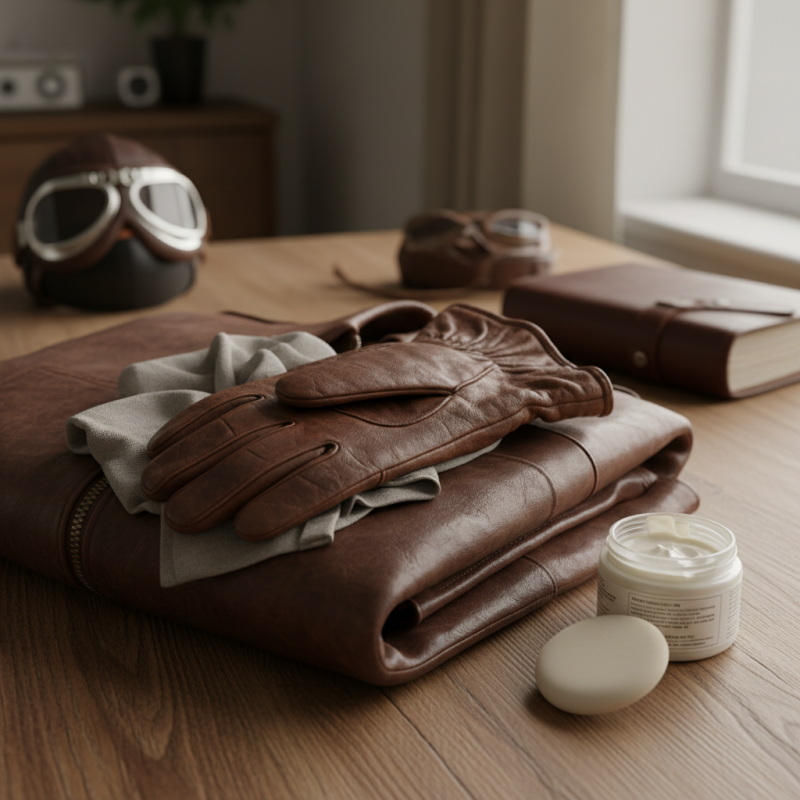
Leather flight gear is prized for its durability and classic aesthetic. Understanding its properties is crucial for maintenance. Leather is organic and requires specific care to prevent cracking and degradation. According to industry reports, leather can dry out and lose elasticity, often after prolonged exposure to elements. This deterioration can lead to costly replacements.
To enhance the lifespan of leather gear, proper conditioning is essential. Products designed for leather can replenish oils lost over time. Regularly applying these ensures the material remains supple. A study from the Leather Research Journal highlights that conditioned leather can last up to 50% longer than neglected gear.
Tips: Avoid using heat sources to dry wet leather. Heat can expedite the drying process, leading to cracks. Store leather items in a cool, dry place to minimize exposure to humidity. Using a breathable cover protects against dust while allowing the material to breathe. Regular inspections can also help identify early signs of wear, allowing for timely intervention.
| Care Tip | Description | Frequency |
|---|---|---|
| Clean Regularly | Dust and dirt can damage the leather over time. Use a soft cloth to wipe it down. | Weekly |
| Condition the Leather | Apply a leather conditioner to maintain suppleness and prevent cracking. | Monthly |
| Avoid Excessive Heat | Keep leather away from direct sunlight and heat sources, as they can dry it out. | Always |
| Store Properly | Store in a cool, dry place and use a breathable garment bag for long-term storage. | As Needed |
| Repair Quickly | Address any scratches or cracks immediately to prevent further damage. | As Needed |
: Leather flight gear is known for its durability and classic aesthetic.
Proper conditioning and regular maintenance can prevent cracking.
Avoid using heat sources to dry wet leather, as it can cause cracks.
Conditioning every three to six months is recommended for maintenance.
Proper storage prevents moisture absorption and reduces the risk of degradation.
Use breathable storage bags instead of plastic to avoid moisture buildup.
Yes, over-conditioning can make leather too soft and lead to weaknesses.
Regular inspections can help you spot stiffness and fading early on.
Look for products with natural oils or waxes to nourish the leather.
No, ongoing care and monitoring are essential for long-term usability.
Maintaining leather flight gear is essential to ensure its longevity and functionality. To address the question, "How to maintain leather flight gear to prevent cracking?", it is crucial to understand the properties of leather and the common factors that contribute to its deterioration. Environmental elements such as humidity, temperature changes, and exposure to oils can lead to cracking.
Implementing proper cleaning techniques is vital; using a gentle leather cleaner can remove dirt without damaging the surface. Additionally, conditioning products designed for leather can help retain flexibility and prevent dryness. Finally, adopting the best storage practices, such as keeping the gear in a cool, dry place and avoiding direct sunlight, will further safeguard against degradation. By following these guidelines, you can effectively maintain your leather flight gear and prolong its life.

 Aero Apex