Why is my cockpit altimeter giving inconsistent readings? This question often begins with a simple cockpit observation: one instrument shows 3,000 feet, while another differs by several hundred feet. The cause may involve static-system blockage, incorrect barometric settings, temperature changes, installation quality, or calibration drift. Even a small pressure error can move the indicated altitude noticeably.
This article examines China’s top 10 cockpit altimeter suppliers and the technical reasons their readings may vary. It considers sensor design, manufacturing tolerances, testing procedures, maintenance support, and compliance with recognized aviation standards. John M. Cox, a former airline captain and aviation safety consultant, states, “An altimeter is only as reliable as the pressure information, setting, and maintenance behind it.” That point deserves attention. The instrument may be accurate, yet the aircraft system around it may not be.
In practical operations, a pilot may see the needle hesitate during a climb, or notice different readings after landing in cold weather. These details matter. Supplier reputation matters too, but it cannot replace inspection records and proper field testing. A ranking can also mislead. The best supplier for a training aircraft may not suit a commercial cockpit or a specialized helicopter.
Readers should therefore compare specifications, certification evidence, environmental testing, repair support, and user experience. Some differences remain difficult to explain without examining the complete static system. That is an uncomfortable limitation. Reliable altitude information depends on the whole chain, not one brand alone.
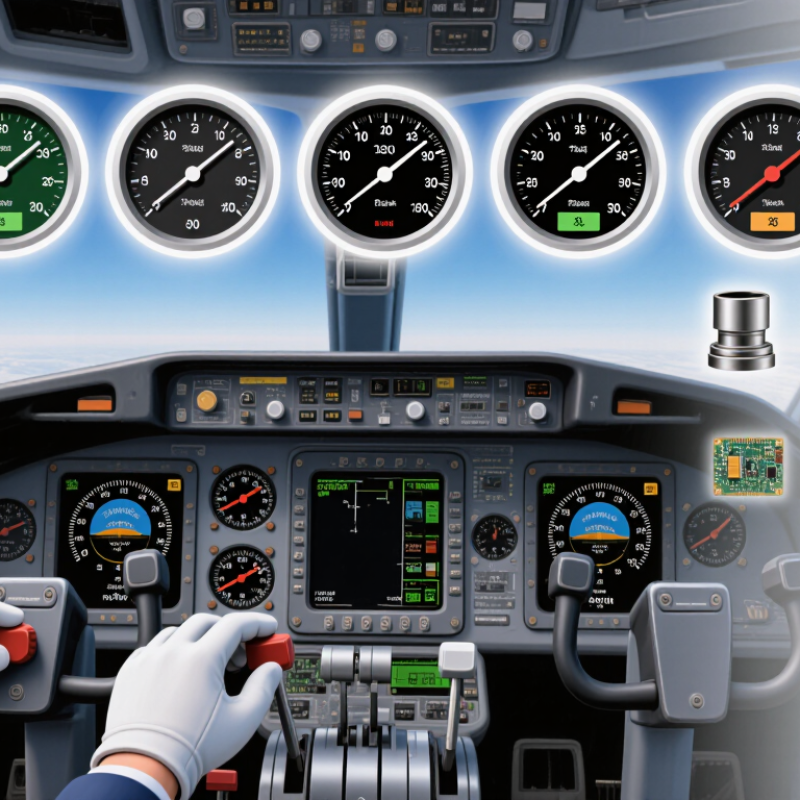
A cockpit altimeter is a pressure-sensitive flight instrument. It converts static air pressure into an altitude indication. Pilots use it to maintain safe vertical separation, follow assigned levels, and interpret terrain clearance.
Its operating principle is straightforward. As the aircraft climbs, outside pressure decreases inside the static system. Aneroid capsules expand, and mechanical linkages move the pointer or digital display. The FAA Pilot’s Handbook of Aeronautical Knowledge notes that a 1-inch mercury pressure change represents roughly 1,000 feet near sea level. That estimate is useful, but not universal.
The International Standard Atmosphere sets sea-level pressure at 1013.25 hPa and temperature at 15°C. Real conditions rarely match those values. Local pressure settings, temperature, static-port errors, instrument friction, and installation differences can therefore create varied readings. Cold air may make true altitude lower than indicated altitude. A blocked or disturbed static source can produce more serious errors. The simplified rule is imperfect.
For buyers comparing cockpit altimeter suppliers in China, calibration evidence matters more than appearance. ISO 17025-accredited laboratory records, traceable test equipment, pressure-range data, and environmental test results provide stronger evidence of reliability. FAA guidance also emphasizes preflight instrument checks and correct altimeter setting procedures. A clear display helps, but accuracy begins with disciplined measurement.
Identifying China’s top ten altimeter suppliers requires more than counting online listings. A credible comparison should examine certification, production capacity, calibration controls, export experience, repair support, and documented flight-testing records. CAAC’s 2023 Civil Aviation Development Statistical Bulletin recorded 619.6 million passenger trips and 7.35 million tonnes of air cargo. This operating scale increases demand for dependable cockpit instruments, but it does not automatically prove supplier quality.
A practical ranking can use weighted evidence. Certification and traceable calibration may receive 30%. Product accuracy and environmental testing may receive 25%. Manufacturing capacity, delivery history, and technical support can share the remaining score. ISO 9001 and AS9100 records help, yet certificates alone are insufficient. The FAA’s Instrument Flying Handbook explains that pressure, temperature, static-system errors, and instrument lag can affect altitude indications. Therefore, suppliers should be compared through test conditions, not brochure claims. Public trade data and aviation market reports can support market screening, but many reports estimate categories rather than cockpit-altimeter sales. That limitation deserves attention.
Tips: Ask for calibration intervals, pressure-test ranges, failure-rate data, and sample inspection records. Compare readings at identical temperatures and static pressures. Request independent laboratory results when available. A low quoted price may hide shorter service life. My practical concern is simple: a neat ranking can still be incomplete when after-sales evidence remains private.
Aircraft altimeter readings can vary because pressure sensing is highly sensitive to temperature, vibration, and installation height. Chinese manufacturers increasingly combine precision pressure sensors with digital signal processing and temperature compensation. These technologies reduce drift during climb, descent, and rapid weather changes.
Modern production also relies on CNC-machined housings, sealed pressure chambers, and automated calibration benches. Each instrument may be tested across simulated altitude points, from sea level to high-altitude conditions. Test data is recorded for traceability. Some factories use redundant sensors to compare outputs before delivery. This improves reliability, although no workshop is perfect. Small connector errors or uneven sealing can still create noticeable differences. Engineers should keep questioning “normal” readings instead of trusting one display blindly.
Tips: Compare instruments under the same static pressure. Check the aircraft’s reference setting first. Inspect tubing, fittings, and moisture. Allow the unit to stabilize before judging accuracy. Ask for calibration records and environmental test results. A practical field check should include temperature changes, vibration exposure, and repeat readings. Better testing often reveals that the problem is installation, not the altimeter itself.
China Top 10 Cockpit Altimeter Suppliers: Why Readings Vary?
Cockpit altimeter readings can differ without indicating immediate equipment failure. Each instrument senses static pressure through its own tubing, ports, and calibration chain. A small leak, restricted port, or temperature change can shift the displayed altitude. The FAA Instrument Flying Handbook, FAA-H-8083-15B, states that a 1.00-inch Hg pressure change equals approximately 1,000 feet. That is a large difference from a small setting error.
Flights also encounter different atmospheric conditions. Pilots may use QNH, QFE, or the standard setting of 1013.25 hPa. ICAO Standard Atmosphere, Doc 7488, identifies 1013.25 hPa as the reference pressure at sea level. Near sea level, one hPa represents roughly 27 feet of altitude. Pressure systems can change during a short route. The instruments may be accurate, yet their settings may not match.
Temperature creates another gap. Cold air compresses altitude layers, making true height lower than indicated altitude. The FAA guidance warns that pressure and temperature errors require careful interpretation, especially during approach. Cross-checking several instruments helps. It is not perfect.
A supplier’s quality process should include leak testing, calibration records, vibration checks, and cockpit-level verification. Bench accuracy alone may hide installation errors. That assumption deserves challenge. Experienced crews compare readings with known pressure sources, nearby aircraft reports, and air traffic instructions. Small differences are expected. Sudden differences are not.
Cockpit altimeter accuracy depends on more than supplier reputation. When comparing China’s top ten cockpit altimeter suppliers, calibration evidence should guide every decision. Each unit should include traceable calibration records, test conditions, and acceptable error limits. A workshop test at sea level cannot represent every flight condition. Pressure simulation matters. So does temperature.
Installation creates another risk. Static ports must remain clear, correctly positioned, and protected from turbulence. A small leak in the static line can produce a steady but misleading altitude error. Technicians should inspect tubing, fittings, seals, and instrument panel alignment. Use calibrated reference equipment during installation. Record the aircraft configuration, ambient pressure, and observed deviation. I have seen teams trust a stable needle too quickly. Stability is not proof.
Maintenance schedules should follow flight hours, operating environment, and manufacturer instructions. Salt air, vibration, dust, and repeated pressure changes can slowly affect performance. Compare readings against an independent reference before and after service. If results drift, remove the instrument from service until qualified personnel assess it. Digital logs improve traceability, but they do not replace physical inspection. Some procedures remain imperfect. Periodic cross-checks and honest review of unexpected readings are essential. A reliable supplier should explain limitations, support recalibration, and provide clear technical documentation.
Representative maximum altitude deviation associated with common accuracy factors
Calibration errors can shift the instrument indication across its operating range. Incorrect static-system installation, blocked or leaking sensing lines, poor pressure connections, and overdue maintenance can create additional deviations. Actual results depend on aircraft configuration, pressure altitude, temperature, and the applicable maintenance standard.
It is a pressure-sensitive instrument. It converts static air pressure into an altitude indication. Pilots use it to maintain vertical separation and monitor terrain clearance.
As the aircraft climbs, outside pressure decreases. Aneroid capsules expand, moving mechanical linkages or changing a digital display. The result is an estimated altitude, not a perfect measurement.
Their tubing, static ports, calibration chains, and installation positions may differ. A small leak, restricted port, temperature change, or friction can shift one indication. Small differences are expected. Sudden differences deserve investigation.
Common settings include local sea-level pressure, airfield pressure, and the standard reference setting. The standard reference is 1013.25 hPa. The correct choice depends on flight procedures and instructions. A wrong setting can create a large altitude error.
Near sea level, one hectopascal represents roughly 27 feet. A one-inch mercury change represents about 1,000 feet. These are approximations. Weather and altitude can change the relationship.
Yes. Cold air can make true altitude lower than indicated altitude. This matters during approach and terrain clearance. Temperature corrections and cross-checks reduce the risk. The simplified rule is imperfect.
Request traceable calibration records, pressure-range data, leak-test results, and environmental testing. Check whether controlled equipment supports the measurements. Inspect vibration and temperature test results. Appearance alone proves little.
Confirm the reference setting, inspect tubing and fittings, and look for moisture. Allow the instrument to stabilize. Compare repeated readings under the same static pressure. A field check may reveal installation faults instead.
Precision sensors, signal processing, and temperature compensation can reduce drift. They cannot correct a blocked port, poor sealing, or incorrect installation. No display is infallible. That limitation matters.
This article explains how cockpit altimeters measure pressure and convert it into altitude, why they are essential for safe flight, and how China’s top 10 altimeter suppliers can be identified through factors such as manufacturing capability, certification, product consistency, technical support, and field performance. It also reviews key technologies used in modern aircraft altimeter production, including precision pressure sensors, temperature compensation, vibration resistance, digital processing, and reliable display systems.
A central question addressed is: “Why is my cockpit altimeter giving inconsistent readings?” Differences may result from pressure changes, incorrect barometric settings, instrument calibration errors, installation conditions, static-system leaks, temperature effects, or maintenance issues. The article emphasizes that accurate readings depend not only on the instrument itself, but also on proper calibration, careful installation, routine inspections, and correct operating procedures. Comparing suppliers with these technical and service criteria can help users select dependable equipment and reduce avoidable altitude discrepancies.

Aero Apex