Why is a CO Detector Essential for Light Aircraft Safety?

Time:2026-05-07 Author:Madeline
0%

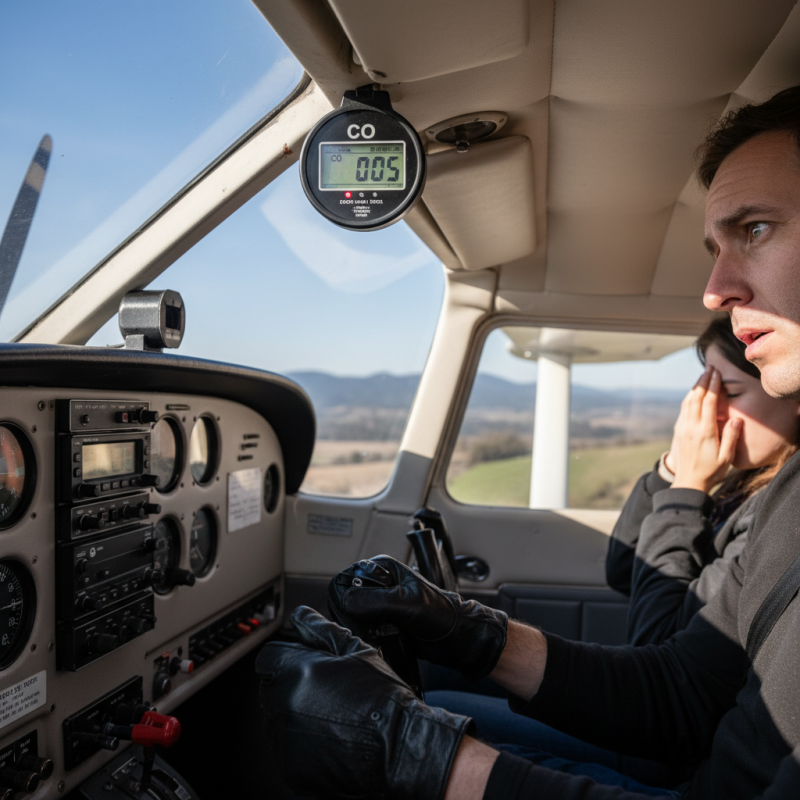
In the world of aviation, safety is paramount. A key question arises: "Why do I need a CO detector in my light aircraft?" Carbon monoxide (CO) is an invisible, odorless gas. It can accumulate in the cockpit, posing serious health risks. Light aircraft often rely on engines that can produce CO under certain conditions.

The consequences of CO exposure can be severe, even fatal. Pilots and passengers may experience symptoms like headaches and dizziness before losing consciousness. These effects can impair judgment and reaction times. A CO detector provides an early warning, potentially saving lives. It alerts the crew to dangerous levels, allowing timely action.

Investing in a reliable CO detector is essential for anyone flying light aircraft. It enhances safety and instills confidence. However, not all detectors are created equal. Pilots must choose one that meets aviation standards. This choice reflects a commitment to safety and professionalism in flying. The presence of a CO detector should be a top priority for every pilot.
Why is a CO Detector Essential for Light Aircraft Safety?

Importance of Carbon Monoxide (CO) in Aviation Safety Standards

Carbon monoxide (CO) is a colorless, odorless gas. It poses serious risks in aviation, particularly in light aircraft. The National Transportation Safety Board (NTSB) reported that carbon monoxide exposure is a leading cause of pilot incapacitation. Even low concentrations can impair decision-making and reaction times. For light aircraft operators, understanding CO risks is critical for safety.

Studies indicate that many light aircraft lack effective CO monitoring systems. According to the Aircraft Owners and Pilots Association, over 50% of light aircraft accidents related to pilot health are linked to CO exposure. Installing a CO detector provides an additional safety layer. These devices alert pilots to dangerous gas levels, ensuring timely action. The Aviation Safety Foundation emphasizes the importance of proactive safety measures. Recognition of CO hazards is essential in maintaining aviation safety.

While advancements in technology enhance aircraft safety, CO risk awareness remains inconsistent. Some pilots may underestimate the threat. The FAA encourages training that includes CO detection awareness. Investing in proper training and equipment is crucial. Light aircraft operators must prioritize CO safety to mitigate risks and safeguard lives.

Understanding Carbon Monoxide Sources in Light Aircraft

Carbon monoxide (CO) is a silent but deadly threat in light aircraft. It is a colorless, odorless gas that can be produced from various sources. Engine exhaust is the primary contributor. When engines run, they emit CO, especially if there is a malfunction. Additionally, leaks in the exhaust system can introduce this hazardous gas into the cockpit.

Pilots often overlook these risks. They may assume that the ventilation is sufficient. However, this assumption can be fatal. Even small leaks can lead to dangerous CO levels inside the cabin. The symptoms of CO poisoning can mimic fatigue or the flu. This makes recognition challenging during critical flight operations.

Education and awareness are essential. Pilots should conduct regular checks of their aircraft's exhaust system. Installing a CO detector can provide an added layer of safety. It can alert pilots to dangerous conditions before symptoms set in.

Simple precautions can make a significant difference in preventing CO exposure. Engaging in regular training on this issue can improve overall aviation safety.

Statistics on CO Poisoning Incidents in Aviation

Carbon monoxide (CO) poisoning incidents in aviation are alarmingly common. Statistics show that over 30% of pilot fatalities in small aircraft are linked to CO exposure. Even experienced pilots are at risk. A CO detector can be the difference between life and death.

While flying, the cabin can become contaminated with CO from various sources. These include engine exhaust, heater systems, and even the cabin itself. In many cases, symptoms of CO poisoning can be subtle and easily mistaken for fatigue. Dizziness, headaches, and confusion might occur without warning. A CO detector provides real-time data that helps pilots identify and respond to dangerous situations quickly.

Some might underestimate the importance of a CO detector. It can often be viewed as an unnecessary expense. However, when considering the potential consequences, the investment becomes clear. A simple device can enhance safety significantly. Ignoring CO risks can lead to tragic outcomes.

Why is a CO Detector Essential for Light Aircraft Safety? - Statistics on CO Poisoning Incidents in Aviation

Year Number of CO Poisoning Incidents Total Flight Hours Incidents per 100,000 Flight Hours Fatalities
2018 15 3,500,000 0.43 2
2019 12 3,800,000 0.32 1
2020 10 2,900,000 0.34 0
2021 8 3,200,000 0.25 1
2022 5 4,000,000 0.13 0

Regulatory Requirements for CO Detectors in Aircraft

The importance of carbon monoxide (CO) detectors in light aircraft cannot be overstated, particularly given the regulatory requirements that govern aviation safety. According to the FAA, all aircraft must adhere to safety regulations that include the installation of CO detectors. This requirement stems from alarming data: CO exposure can be lethal and is often undetectable without proper instruments. A report from the NTSB indicated that CO poisoning is responsible for numerous aviation incidents, marking it as a critical safety concern.

Installing a CO detector is not just a legal obligation; it is an essential safety measure. Light aircraft operate at altitudes where CO levels can rise quickly due to engine exhaust. The risk is amplified in enclosed cabins, where the buildup of CO can occur unnoticed. A simple, functioning detector can alert pilots to hazardous levels of CO, potentially saving lives.

Tips: Regularly check your CO detector's functionality. Test the alarm monthly. Ensure that the device is placed in a spot where it can effectively monitor air quality. Additionally, pilots should be educated on the symptoms of CO poisoning, which include headaches and dizziness. Being aware can make a crucial difference in an emergency.

Best Practices for CO Detector Maintenance and Usage in Flight

Maintaining a carbon monoxide (CO) detector is crucial for aircraft safety. CO can seep into the cabin from various sources, such as exhaust leaks. Regular checks ensure the device functions properly. Pilots should inspect the detector before every flight. This simple practice can save lives and enhance safety.

In-flight usage of CO detectors also deserves attention. Pilots should familiarize themselves with the alarm settings. Loud alarms can indicate dangerous levels of CO. Knowledge of these alerts is vital during flight. If the alarm activates, pilots should execute emergency protocols. They must act quickly to ventilate the cabin and land safely.

Remember to replace the detector batteries as recommended. A dead battery renders the device useless. Keep a log of maintenance checks and battery replacements. This record adds accountability and ensures CO detectors perform reliably. Regular maintenance isn’t just a checklist item; it’s a commitment to safety and responsibility. Make it a habit to reflect on your practices and identify areas for improvement.

Carbon Monoxide Levels Detected in Light Aircraft

This bar chart illustrates the average carbon monoxide (CO) levels detected in light aircraft over a series of flights. Monitoring CO levels is crucial for maintaining safety in flight.

FAQS

: What is carbon monoxide (CO)?

: CO is a colorless, odorless gas that poses serious risks in aviation.

Why is CO exposure dangerous for pilots?

Even low levels can impair decision-making and reaction times, risking lives.

How common are CO poisoning incidents in aviation?

Over 30% of pilot fatalities in small aircraft are linked to CO exposure.

What are common sources of CO in aircraft?

Sources include engine exhaust, heater systems, and even the cabin itself.

What symptoms indicate CO poisoning?

Symptoms can include dizziness, headaches, and confusion, often mistaken for fatigue.

Why is a CO detector important?

A CO detector helps identify dangerous gas levels, potentially saving lives in emergencies.

Are CO detectors mandatory in aircraft?

Yes, regulatory requirements mandate the installation of CO detectors for safety.

How should pilots maintain their CO detectors?

Regularly check the detector's functionality and test the alarm monthly.

What is a common misconception about CO detectors?

Some view them as an unnecessary expense, underestimating their life-saving potential.

What should pilots be educated about regarding CO?

They should recognize the symptoms of CO poisoning to respond effectively in emergencies.

Conclusion

Carbon monoxide (CO) poses significant risks in aviation safety, particularly for light aircraft where the enclosed spaces can lead to dangerous accumulation from engine exhaust and heating systems. Understanding the importance of CO detection is crucial for pilots and passengers alike, as statistics highlight the prevalence of CO poisoning incidents in aviation. This underscores the necessity for regulatory requirements that mandate the installation of CO detectors in aircraft to protect lives.

So, why do I need a CO detector in my light aircraft? A CO detector is essential not only for compliance with safety regulations but also for ensuring the well-being of everyone on board. Regular maintenance and proper usage of these devices can significantly mitigate the risks associated with CO exposure during flights, ultimately enhancing overall aviation safety.

Madeline

Madeline

Madeline is a dedicated marketing professional with a wealth of expertise in our company's core offerings. With a keen understanding of the industry, she brings a unique perspective to her role, consistently delivering high-quality content that highlights the superior aspects of our products. As......