In aviation, the quality of communication is crucial. Pilots and crew rely on headsets for clear audio in noisy environments. There are two main types of noise reduction technologies: Passive Noise Reduction (PNR) and Active Noise Reduction (ANR). Understanding these two systems is essential for anyone involved in aviation.
So, what is the difference between PNR and ANR in aviation headsets? PNR utilizes physical barriers to block sound. This means it relies on the headset's design and materials. On the other hand, ANR actively cancels out noise. It uses microphones, electronics, and speakers to reduce unwanted sounds.
Both technologies have their strengths and weaknesses. PNR is simple and durable but may not block all noise. ANR, while effective, requires power and may be more complex. Making the right choice can affect comfort and concentration during flights. Evaluating which system suits your needs is a vital consideration in aviation.
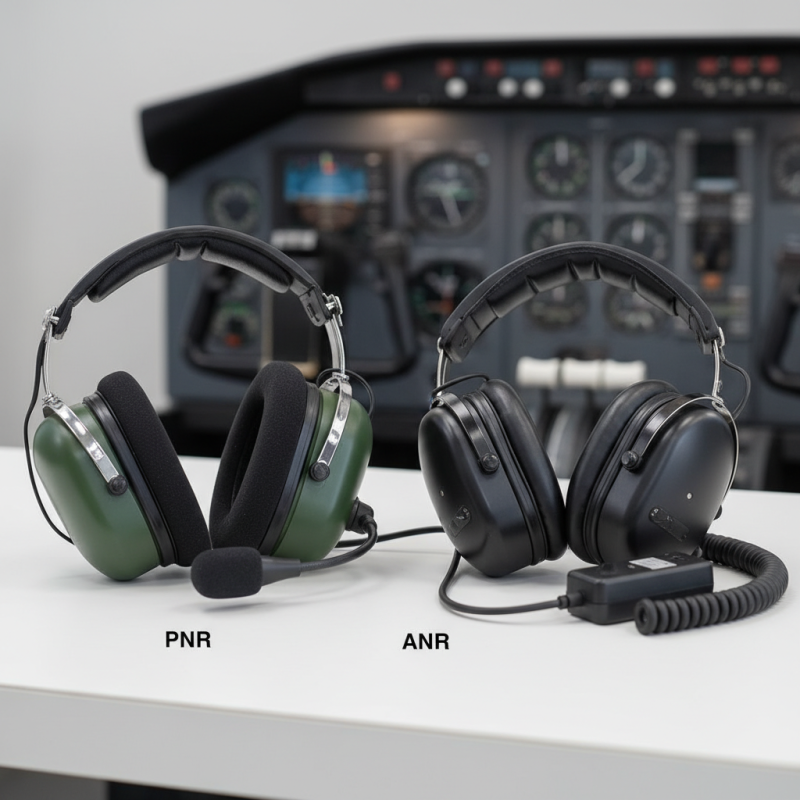
In aviation, choosing the right headset is crucial. Pilots often encounter two types: passive noise reduction (PNR) and active noise reduction (ANR). Understanding their core characteristics helps make informed decisions.
PNR involves physical barriers. It relies on materials like foam and design to block ambient sounds. This method is effective, yet it can’t eliminate all noise during a flight. PNR headsets are generally simpler and often more affordable. They excel in environments with consistent sound levels. However, they may not be the best option for louder cockpits. A slight reduction in comfort can be a trade-off for those seeking better isolation.
ANR harnesses technology to combat noise. It uses microphones to detect external sounds. Then, it generates sound waves to cancel out the noise. This system provides a clearer audio experience, especially in high-noise situations. Yet, ANR headsets can be more expensive and require battery power. They may also introduce an electronic hum, which some users find distracting. Evaluating personal needs is vital when choosing between these options.
This chart compares the noise reduction levels between Passive Noise Reduction (PNR) and Active Noise Reduction (ANR) technologies used in aviation headsets. PNR typically offers around 25 dB reduction, while ANR provides approximately 35 dB, showcasing the effectiveness of ANR in reducing ambient noise.
In aviation, choosing the right headset is essential. Two primary types are
Passive Noise Reduction (PNR)
and
Active Noise Reduction (ANR).
Each has unique technical specifications that affect performance.
PNR works by using physical barriers to block sound.
It relies on the design of the ear cups and padding. This method can be effective but may not eliminate all noise,
especially in high-decibel environments.
On the other hand,
ANR utilizes technology to reduce unwanted ambient sounds.
It has built-in microphones that detect external noise and produce sound waves that cancel them out.
This method often provides a quieter experience for pilots. However, the effectiveness can diminish if the battery runs low
or if the ambient noise is too extreme.
Tip: Always check the battery life of ANR headsets before long flights.
Understanding the technical details helps make better choices. Some users may find
PNR sufficient, especially those flying small aircraft.
Others might prefer
ANR for long-haul flights.
Tip: Try different models before making a purchase.
Not all headsets fit every user's needs. Some may feel discomfort after prolonged use. Evaluating comfort and noise
reduction capabilities is crucial. The right headset enhances focus and overall flying experience.
When selecting aviation headsets, understanding the differences between Passive Noise Reduction (PNR) and Active Noise Reduction (ANR) is crucial. PNR works by creating a physical barrier against sound. This type often feels more robust and durable. Its performance can vary based on fit and material. Comfortable padding enhances effectiveness but may not completely block all noise.
On the other hand, ANR uses electronic microphones to identify and counteract ambient sounds. It adjusts to the environment, providing an adaptive experience. However, this technology may introduce a slight delay in noise cancellation. Some users might find this unsettling. Battery dependency is another consideration, as ANR headsets require power to function efficiently.
Both types have advantages and drawbacks. PNR might be preferable in quieter settings. ANR excels in turbulent environments where external noises dominate. Personal preferences play a key role in choosing the right headset. Operators should evaluate comfort, sound isolation, and overall performance features before making a decision. Ultimately, the right choice enhances situational awareness and communication in the aviation cockpit.
| Feature | Passive Noise Reduction (PNR) | Active Noise Reduction (ANR) |
|---|---|---|
| Noise Cancellation Method | Physical blocking of sound | Electronics detect and cancel sound waves |
| Weight | Generally lighter | Often heavier due to battery and electronics |
| Battery Requirement | Does not require batteries | Requires batteries for operation |
| Noise Reduction Capability | Good for high-frequency sounds | Effective for low-frequency sounds |
| Comfort During Extended Use | Variable based on design | Generally more comfortable with padding |
| Price Point | Typically lower | Usually higher due to technology |
When navigating the skies, pilots often rely on aviation headsets equipped with Passive Noise Reduction (PNR) and Active Noise Reduction (ANR) technologies. Understanding when to utilize each type can significantly enhance communication and overall flight safety. PNR is effective in blocking specific frequencies, relying on the physical design to reduce ambient noise. In contrast, ANR utilizes microphones to pick up external sounds and creates sound waves to cancel them out. This difference can greatly impact a pilot’s ability to focus in a noisy cockpit environment.
Noise levels in aviation can peak at around 120 decibels during flight, according to the FAA. A headset with ANR can reduce this noise by up to 30 decibels, creating a more serene environment for pilots. In environments with constant noise, such as turbine engines, ANR is particularly effective. However, PNR can be beneficial in diverse flying conditions, where unpredictable noise emerges, as it serves as a barrier against sudden sound spikes.
It's crucial for pilots to evaluate their flying environment when choosing between PNR and ANR. For example, in small aircraft with less noise insulation, ANR can be vital. Alternatively, in older models without continuous noise, PNR may suffice. Choosing the right headset is not always straightforward; the best choice depends on flight conditions and noise exposure. Reflecting on personal experiences can help refine this decision-making process.
As aviation technology advances, the distinction between Passive Noise Reduction (PNR) and Active Noise Reduction (ANR) becomes crucial for pilots and aviation enthusiasts. PNR relies on physical barriers to block sound. This method is simple and effective. It uses dense materials to absorb ambient noise, but it may not eliminate all distractions. Pilots often find their focus slipping when relying solely on PNR.
On the other hand, ANR technology employs sophisticated systems to counteract incoming noise. It uses microphones to detect sound waves and create opposing waves to cancel out unwanted noise. This technology offers a significant advantage during long flights. However, it requires batteries and may have complexities that PNR does not. The integration of both systems can lead to enhanced safety and comfort for pilots.
By 2026, we can anticipate more innovation in these technologies. Developments in battery life and sound-cancellation algorithms are expected. Emerging trends may lead to seamless integration of PNR and ANR features. However, continuous reflection on their effectiveness will be necessary. Addressing potential drawbacks will enhance user experience and ensure safety in the skies.
: PNR blocks sound using physical barriers like ear cup design and padding. It can be effective, but may not eliminate all noise.
ANR uses microphones to detect external noise and creates opposing sound waves to cancel it out.
ANR provides a quieter experience, especially beneficial during long flights. It minimizes ambient sounds effectively.
Yes, ANR effectiveness can decrease with low battery power or extreme noise levels.
Consider your flying habits. PNR might suffice for small aircraft, while ANR is better for long flights.
Some users may feel discomfort during long usage. Comfort and noise reduction should be evaluated regularly.
Always verify the battery life of ANR headsets to ensure optimal performance throughout your flight.
Yes, testing various models can help find the best fit for your needs and comfort preferences.
By 2026, expect improvements in battery life and sound-cancellation algorithms. Integration of both technologies may increase.
Knowing the technical specifications helps users make informed decisions, improving focus and flying experience.
The article titled "2026 How to Tell the Difference Between PNR and ANR in Aviation Headsets?" explores the distinctions between Passive Noise Reduction (PNR) and Active Noise Reduction (ANR) technologies used in aviation headsets. It begins by defining both PNR and ANR, highlighting their key characteristics. The technical specifications of each method are then discussed, providing insights into their performance metrics. A comparative analysis outlines the effectiveness of PNR versus ANR in various aviation contexts.
The article also delves into practical applications, advising users on when to utilize PNR or ANR based on specific aviation settings. Finally, it highlights current industry trends, noting advancements in PNR and ANR technologies projected by 2026. This comprehensive examination not only answers the question, "What is the difference between PNR and ANR in aviation headsets?" but also provides valuable guidance for pilots and aviation professionals seeking optimal headset performance.

Aero Apex