ELT Transmitters Essential Tips for Safer Air Travel?

Time:2026-03-13 Author:Mason
0%

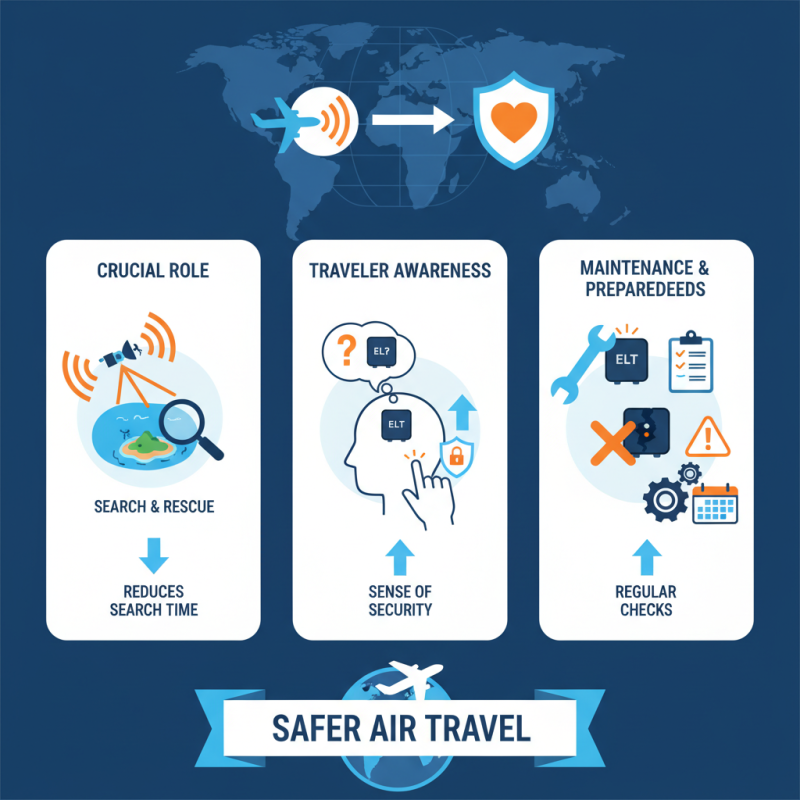
ELT Transmitters play a crucial role in enhancing safety during air travel. These devices signal distress in emergencies, alerting search and rescue teams. When a plane goes missing, the ELT Transmitter can be a lifesaver, drastically reducing search time.

Travelers often overlook these devices. Many assume that they won’t need them. However, knowing about their function can instill a sense of security. An ELT Transmitter is simply a small unit. It can be mounted on various aircraft. Understanding its importance could change perceptions about safety.

Despite their benefits, some users may not activate or maintain these devices properly. This can lead to catastrophic failures in emergencies. Regular checks and understanding the activation process are essential. Investing time in learning about ELT Transmitters fosters safer travel. Avoiding negligence ensures that everyone is better prepared for unforeseen circumstances.
ELT Transmitters Essential Tips for Safer Air Travel?

Understanding ELT Transmitters: What They Are and How They Work

Emergency Locator Transmitters (ELTs) are vital for air travel safety. They activate automatically or manually in emergencies. Designed to send distress signals, they alert rescue teams. According to the Aviation Safety Network, approximately 90% of aircraft accidents occur during takeoff or landing phases. Having a reliable ELT can make a significant difference.

These devices operate on specific frequencies to ensure global coverage. Most ELTs transmit at 406 MHz, connecting to satellites. The signal can pinpoint an aircraft’s location within 100 meters. However, data suggest that not all flights utilize these devices. A recent study showed that nearly 30% of smaller aircraft do not have functional ELTs on board, raising safety concerns.

Battery life and maintenance are crucial. ELTs need regular checks to ensure they function correctly. One report indicated that 20% of ELTs are not operational during emergency situations due to battery failure. This highlights the need for thorough pre-flight inspections. Pilots must not overlook this aspect; ELTs can save lives, but only if they are in working order.

The Importance of ELT Transmitters in Aviation Safety

In aviation, Emergency Locator Transmitters (ELTs) are critical for safety during flights. These devices are designed to send distress signals in the event of an accident. According to the National Transportation Safety Board (NTSB), around 90% of search and rescue operations are supported by ELT signals. Their role is vital, especially in remote areas where aircraft may go missing.

However, not all ELTs function as intended. A study revealed that about 30% of activated ELTs fail to transmit properly due to battery issues or damage. Regular maintenance checks are essential. Pilots should ensure that their ELTs are in working condition before every flight, which includes testing the device and replacing old batteries promptly.

Tips for effective ELT usage include:

  • Familiarizing yourself with the device's operation.
  • Knowing the locations of the ELTs on your aircraft.
  • During pre-flight checks, ensure that the switch settings are correct.
  • Lastly, understand the response protocols upon activation.

This knowledge can save lives in an emergency. Remember, safety is a collective responsibility that demands vigilance and preparedness.

Key Features to Look for in ELT Transmitters

When considering ELT transmitters for safer air travel, key features are crucial. Look for automatic activation. This saves time during emergencies. A unit that activates itself can greatly enhance survival chances. A reliable battery life is also essential. It ensures the device will function during critical moments.

Signal strength matters too. A strong signal can attract fast rescue attention. Check if the ELT operates on multiple frequencies. This increases the chances of your distress signal being picked up. Compact size and lightweight design should not be overlooked. These factors make for easier installation and maintenance.

Consider durability. The device should withstand harsh conditions during a crash. Water-resistant features are beneficial for longer endurance. It’s also good to reflect on your own training. Learning the operation of your ELT is vital. Many users overlook this, leading to delayed responses. Ensure familiarity before you fly.

Maintenance and Testing Tips for ELT Transmitters

Proper maintenance and testing of Emergency Locator Transmitters (ELTs) are crucial for safe air travel. Regular inspections can prevent failures during emergencies. Check the battery status frequently. Old or corroded batteries can lead to malfunction. Visual inspections should be part of routine maintenance. Look for any signs of wear or damage. It's vital to ensure the ELT is securely mounted.

Conduct regular functionality tests according to maintenance guidelines. Simple tests can reveal if the device operates correctly. During these tests, observe the indicator lights. They should signal whether the device is functioning as it should. If any issues arise, address them immediately. Document all maintenance activities for future reference and accountability.

Neglecting these tasks can lead to tragic outcomes. Pilots must be vigilant. ELT performance can vary, and what works today might not work tomorrow. Continuous training on using ELTs can enhance preparedness. Discuss findings during crew meetings. Everyone should understand the importance of a reliable ELT. Taking these steps will contribute to safer journeys.

Best Practices for Using ELT Transmitters During Air Travel

When flying, safety is paramount, and using Emergency Locator Transmitters (ELTs) is crucial. According to a 2022 report by the International Civil Aviation Organization, nearly 79% of distress signals were sent by ELTs. However, improper use can lead to false alarms. These can waste critical resources and time. Pilots must check the ELT's battery regularly. A dead battery can render the device useless during emergencies.

Proper placement of the ELT is another vital aspect. It should be installed securely to prevent damage during turbulence. The ELT must also be easily accessible. A common mistake is to store it out of reach, which can lead to delays in activation. Familiarity with its operation is key. In a stressful situation, a lack of practice can hinder effective use.

Testing the ELT before flights is essential. Many pilots forget routine checks, leading to potential failures. An estimated 10% of ELTs may not function correctly due to user oversight. Educating all crew members about the device increases chances of successful activation. Simple training can make a significant difference in emergencies.

FAQS

: What is the primary function of Emergency Locator Transmitters (ELTs) in aviation?

: ELTs send distress signals during an accident, aiding search and rescue operations.

How reliable are ELTs during emergencies?

About 30% of activated ELTs may fail due to battery issues or damage.

What maintenance is required for ELTs?

Regular checks and timely battery replacements are essential for proper function.

What are key features to consider when choosing an ELT?

Look for automatic activation, strong signal strength, and reliable battery life.

Why is knowing the ELT's location important?

Knowing where the ELT is located ensures quick access during emergencies.

How can improper use of ELTs affect safety?

Incorrect use can cause false alarms, wasting valuable time and resources.

What should pilots do before each flight regarding their ELT?

Pilots need to test the ELT and ensure it’s in working condition.

How does training impact the use of ELTs?

Familiarity with the device improves response in stressful situations.

Why is proper placement of the ELT critical?

Secure placement prevents damage during turbulence and ensures accessibility.

What can happen if crew members are not educated about the ELT?

Lack of knowledge can lead to delayed activation in emergencies.

Conclusion

ELT Transmitters, or Emergency Locator Transmitters, play a critical role in enhancing aviation safety by providing a reliable way to locate aircraft in distress. These devices automatically activate upon impact and emit distress signals to aid search and rescue operations. Understanding how ELT Transmitters function and their importance in ensuring safety is essential for both pilots and aviation enthusiasts.

When selecting ELT Transmitters, it is crucial to consider key features such as battery life, transmission range, and durability. Regular maintenance and testing are vital to ensure that these devices are always in optimal working condition. Additionally, adopting best practices for effectively using ELT Transmitters during air travel can significantly improve safety outcomes. By following these guidelines, aviation stakeholders can help ensure that in the event of an emergency, swift and efficient response measures can be implemented.

Mason

Mason

Mason is a seasoned marketing professional with a deep expertise in the company's offerings and a passion for driving brand awareness. With a strong background in digital marketing strategies, he has an innate ability to connect with diverse audiences and effectively communicate product benefits.......