When it comes to embarking on mountainous flight adventures, safety is paramount. To navigate the unique challenges posed by rugged terrains, having the right gear can make all the difference. John Simmons, an expert in aviation safety and survival, emphasizes this by stating, "Preparedness is key when soaring over unpredictable landscapes."
So, what are the essential survival items for flying over mountainous terrain? This question isn't just theoretical; it stems from the real risks associated with altitude and variable weather conditions. Pilots must always be ready for emergencies. A well-stocked survival kit is essential. Items such as a first aid kit, multi-tool, fire-starting equipment, and water purification methods should always be included.
Additionally, communication devices and navigation aids are critical. GPS units, emergency beacons, and maps can guide pilots back to safety. However, it's crucial to acknowledge that no gear guarantees safety. Every flight presents unique challenges. Reflecting on these uncertainties can enhance preparedness and encourage better decision-making.
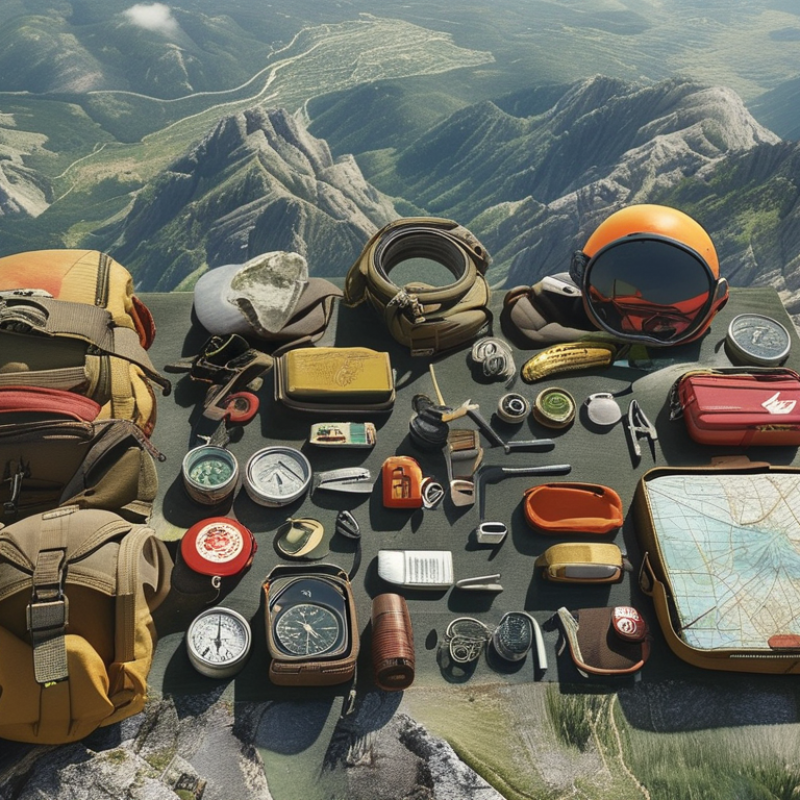
Essential Survival Gear for Mountainous Flight Adventures
When embarking on mountainous flight adventures, having the right survival gear is crucial. Always consider items that enhance your safety and increase your chances of survival. A reliable multi-tool can serve various purposes, from repairs to food preparation. Make sure it's lightweight and compact enough to fit easily in your pack.
Tips: Pack a first aid kit with essential items. Include antiseptic wipes, bandages, and pain relievers. Emergencies can happen in remote areas. Prepare for them.
Another key piece of gear is navigation equipment. A map and compass can guide you, even if technology fails. Familiarize yourself with how to use them before your adventure. Relying solely on GPS can lead to surprises in mountainous terrain.
Tips: Practice your navigation skills in a safe area. Knowing how to read a map can be invaluable in a crisis.
Lastly, don’t forget a sturdy, portable shelter. Weather can change rapidly in the mountains. Your shelter should be easy to set up and provide protection. Reflect on the materials used; some may not stand up to harsh conditions. Ensure you can secure it against wind and rain.
With the right tools, you can face the unpredictable nature of mountainous adventures.
Understanding the Unique Challenges of Mountainous Flight
Mountainous flight presents unique challenges that require specialized gear. Pilots face unpredictable weather, turbulent air, and the risk of altitude sickness. High peaks can obscure visibility, making navigation tricky. Properly understanding these factors is essential for safe flying.
Essential survival gear must include reliable communication tools. A portable radio can be a lifesaver when emergencies occur. Additionally, a personal locator beacon can help rescuers find you in rugged terrain. Always carry emergency rations like energy bars or dehydrated food. Such items can be crucial if stranded.
Consider weather-specific items too. Carry a compact altitude sickness kit, including oxygen and medications. Invest in a detailed topographical map of the area. Understanding the terrain can aid in making informed decisions. Familiarity with landscape features can shape flight paths. Remember, every mountain flight is a new adventure with its own challenges. Reflecting on past experiences can enhance future safety.
Essential Survival Gear for Mountainous Flight Adventures
| Item |
Purpose |
Weight (lbs) |
Durability |
Importance Level |
| Emergency Blankets |
Hypothermia prevention |
0.5 |
High |
Critical |
| First Aid Kit |
Treat injuries |
1 |
Medium |
Critical |
| Navigation Tools |
Finding direction |
0.3 |
High |
Essential |
| Water Purification System |
Safe drinking water |
1.5 |
Very High |
Critical |
| Multi-tool |
Various tasks |
0.8 |
High |
Important |
| Fire Starter Kit |
Starting fires |
0.4 |
Medium |
Essential |
| Signal Mirror |
Emergency signaling |
0.2 |
High |
Important |
Key Survival Equipment: Navigation and Communication Tools
When embarking on mountainous flight adventures, having the right navigation and communication tools is crucial. A reliable GPS device can pinpoint your location accurately. It must be rugged and weather-resistant, given the harsh conditions of the outdoors. Consider carrying a smartphone with offline maps as a backup. This doubles as a communication tool, allowing you to stay in touch with your team. Nevertheless, remember that battery life can be a concern in remote areas. Therefore, it's wise to pack extra power banks or solar chargers.
Two-way radios are essential for group communication. They provide a reliable connection even without cell service. A lightweight, hands-free headset can enhance usability. However, interference may occur in mountainous terrain, requiring regular checks of channel clarity.
Also, don’t overlook traditional navigation methods. A map and compass can serve as a reliable fallback. They require practice to use effectively, which often gets neglected. Familiarizing yourself with these tools boosts confidence and preparedness. This hands-on experience is invaluable, especially in emergencies. Embrace the learning curve; mistakes can lead to better skills in the long run. Prioritize these essentials to ensure safety and enhance your adventure.
Safety Essentials: First Aid Kits and Emergency Supplies
When embarking on mountainous flight adventures, safety should always come first. A comprehensive first aid kit is essential. According to a study by the National Outdoor Leadership School, 75% of outdoor emergencies can be managed with adequate first aid supplies. This underscores the importance of having quality gear readily available.
A well-stocked first aid kit should include items like bandages, antiseptic wipes, and pain relief medication. It should also have a space blanket to prevent hypothermia. In an area where the temperature fluctuates drastically, a space blanket can be a lifesaver. Yet, many adventurers overlook these details in their preparations.
Emergency supplies are just as vital. Consider carrying a whistle, a flashlight, and a multi-tool. Research shows that signaling devices can increase survival chances by over 50%. Yet, despite this information, many individuals neglect to pack these critical items. Preparedness is key, but it's easy to become complacent. Reflect on what could go wrong, and plan accordingly. Ensuring safety equipment is well-organized will help in moments of crisis.
Personal Gear: Clothing and Gear Adaptations for Altitude
When preparing for mountainous flight adventures, altitude affects gear choices significantly. Research indicates that temperatures can drop by 3.5°F for every 1,000 feet gained. Proper clothing is vital. Insulating layers must trap heat while allowing breathability.
Consider selecting merino wool or synthetic materials. These fabrics provide warmth even when wet. However, many overlook the importance of moisture-wicking layers. Studies show that maintaining dry skin reduces the risk of hypothermia and frostbite. Additionally, employing a layered approach helps you adapt swiftly to changing weather conditions.
Your footwear plays a crucial role too. Hiking boots should offer support and stability. The American Mountain Guides Association emphasizes the significance of proper ankle support when traversing rugged terrains. Be wary of blisters caused by ill-fitting shoes. Soft insoles or custom orthotics can aid in achieving comfort. Still, finding the right pair often requires trial and error. Remember, the right gear may be essential, but knowledge and preparation are equally important.
Essential Survival Gear for Mountainous Flight Adventures
Post-Flight Considerations: Preparing for Emergencies and Rescue
Post-flight emergencies can happen in mountainous areas. A well-thought-out plan is crucial for safety. The United States Search and Rescue Task Force reports that approximately 160,000 people are rescued in the U.S. each year. Many of these events occur in remote areas. Thus, knowing how to prepare for emergencies can make a difference.
Communication tools are essential. A GPS device can provide you with accurate location details. Carrying a satellite phone can allow you to contact rescue teams even in areas lacking cellular service. Always keep a portable power bank to charge devices. It's vital to have a reliable way to share your location.
Tip: Create a pre-flight checklist that includes emergency contacts and route details. Keep it accessible. Familiarize yourself with the environment before you fly. Knowledge of nearby landmarks can help you navigate back in emergencies. Remember, your plan should evolve. Regularly evaluate your equipment and skills.
Engaging in mock drills can enhance your readiness. This practice trains your mind and body to react quickly under stress. Every adventure carries risks, but preparedness can significantly reduce them. Reflect on your last flight to identify gaps in your emergency knowledge. It could save a life.
Conclusion
When flying over mountainous terrain, it is crucial to understand the unique challenges that come with such adventures. Pilots and adventurers must be well-prepared to navigate unpredictable weather, rugged landscapes, and potential emergencies. This preparation includes equipping themselves with critical survival items tailored to the environment. What are the essential survival items for flying over mountainous terrain? Key equipment includes reliable navigation and communication tools to ensure you can effectively find your way and stay connected, even in remote areas.
Safety essentials like first aid kits and emergency supplies are also vital, enabling quick responses to injuries or unexpected situations. Additionally, personal gear should be adapted for altitude, considering factors such as temperature and wind. After a mountainous flight, it is important to remain ready for emergencies and rescue, emphasizing the need for a solid plan and appropriate survival gear to handle any unforeseen challenges in such demanding landscapes.

 Aero Apex