What Essentials Should Be in a Standard Pilot Flight Bag?

Time:2026-04-29 Author:Charlotte
0%

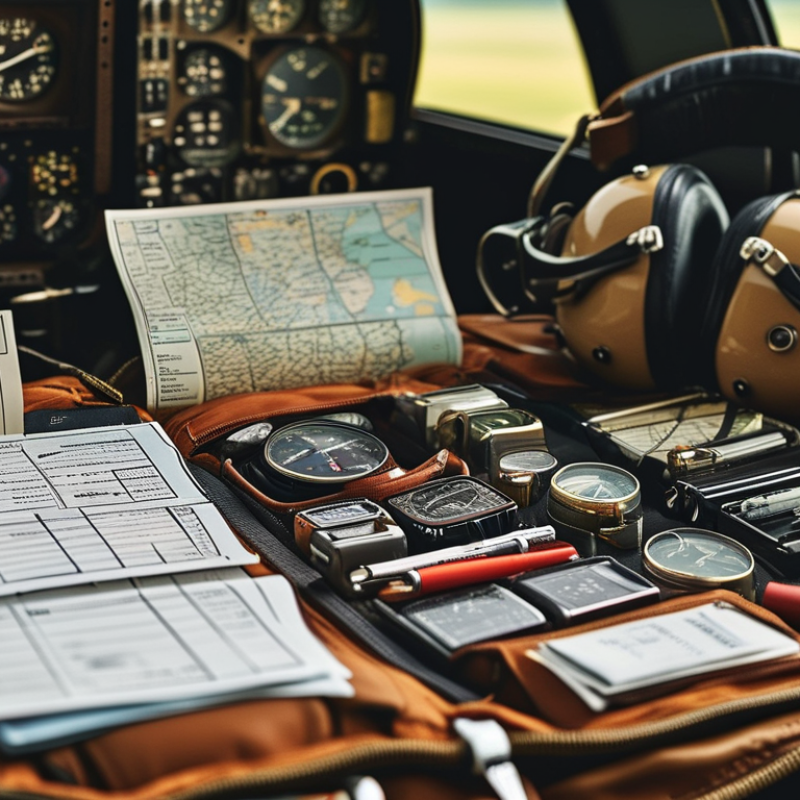
When preparing for a flight, every pilot knows the importance of their flight bag. Paul Smith, an experienced flight instructor with over 15 years in aviation, once stated, "A well-equipped flight bag is crucial for safety and efficiency." This insight underscores a vital question in the aviation community: What should be in a standard pilot flight bag?

A pilot's flight bag typically contains several essentials. These items aid not only in navigation but also in communication and safety. From headsets to charts, each item plays a role. However, it's worth reflecting on how often pilots may overlook necessary tools. For instance, spare batteries can be easy to forget but are essential for maintaining critical devices.

Beyond the basics, personal touch is essential. Every pilot has preferences that evolve over time. Some might include snacks for long flights or a specific logbook style. Yet, others might struggle to pack effectively, leading to disorganization. Ultimately, understanding what items to include could make or break a flight experience.

What Essentials Should Be in a Standard Pilot Flight Bag?

Essential Flight Documentation and Charts for Pilots

When preparing for a flight, pilots must ensure they have essential documentation and charts. Accurate and up-to-date materials can significantly influence flight safety and navigation. Key items include aeronautical charts, notams, and approach plates. Each of these documents serves a specific purpose, helping pilots to gauge weather conditions, air traffic, and flight routes.

Charts should be current and easy to read. Outdated charts can lead to misinterpretation and mistakes. Consider reviewing your charts regularly and replacing them as needed. Notams provide timely updates on closed runways and airspace changes, making them crucial for safe flight preparation.

**Tip:** Organize your flight documents in a binder for easy access. Clear pockets make retrieval straightforward during busy flight sequences.

Pilots should also carry personal identification and medical forms. These documents prove essential in emergencies or during inspections. While we strive for perfection, even the best pilots may overlook something at times. Taking a moment to double-check can prevent potential complications later.

**Tip:** Develop a checklist to ensure you don’t miss anything. Regularly updating it helps maintain reliability and efficiency in your preparations.

What Essentials Should Be in a Standard Pilot Flight Bag? - Essential Flight Documentation and Charts for Pilots

Item Description Importance
Pilot License Proof of certification to operate an aircraft. Essential for legal operation.
Medical Certificate Verification of pilot's health and fitness. Mandatory for all pilots.
Flight Plan Detailed route and navigation information. Critical for safe navigation.
Charts and Maps Aeronautical charts for navigation and airspace. Necessary for visual navigation.
Weather Briefing Current weather conditions and forecasts. Essential for flight safety.
Checklists Pre-flight, in-flight, and post-flight procedures. Critical for safety and compliance.
Logbook Record of flight hours and experience. Important for career progression.
Personal Items Headset, sunglasses, snacks, and water. Enhances comfort on long flights.

Necessary Navigation Tools and Instruments in a Flight Bag

A well-equipped flight bag is crucial for pilots. Essential navigation tools should be included for safe and efficient flying. A reliable flight simulator planner is a must-have. It helps in pre-planning along with weather data checks. Having sectional charts on hand allows pilots to visualize their route and terrain. These charts should be updated regularly to ensure accuracy.

Additionally, a quality compass is indispensable. Digital devices may fail, so the old-fashioned compass can be a lifesaver. A basic E6B flight computer helps in calculations, from wind correction to fuel requirements. It’s easy to overlook these tools, but they enhance situational awareness. Furthermore, a good flashlight is vital for inspections and emergencies. No one wants to be caught unprepared in dim conditions.

While many pilots rely on tech, mistakes still happen. Relying too much on GPS can lead to complacency. Having backup instruments is always wise. Checklists can prevent oversights before every flight. These essentials can make the difference in critical moments. Regularly reviewing your flight bag's contents is just as important. It ensures everything remains functional and ready for your next adventure.

Safety Equipment and Emergency Supplies Every Pilot Should Carry

When preparing for any flight, a pilot's safety equipment and emergency supplies are essential. Each item in a flight bag can make a difference in survival during unforeseen circumstances. Knowing what to pack means being ready for emergencies that could arise.

A basic safety kit should include a first aid kit, flashlight, and fire extinguisher. A first aid kit helps treat minor injuries. Carry a flashlight to illuminate darkened cockpits or to signal for help. A fire extinguisher is crucial in case of electrical or fuel fires.

Consider packing additional supplies such as a multi-tool, signaling devices, or water purification tablets. These items enhance your preparedness when facing unexpected challenges.

Tips: Always check expiration dates on medical supplies. Replace items as needed. Involve fellow pilots in discussions about essential gear. Reflecting on shared experiences can improve your flight bag's contents and effectiveness.

Communication Devices for Effective Pilot Coordination

Effective communication is vital in aviation. Pilots rely on specific devices to ensure coordination and safety during flights. A well-equipped flight bag includes critical communication tools. VHF radios, headsets, and intercom systems are essential. According to the FAA, 80% of aviation incidents stem from communication failures. Therefore, investing in high-quality devices is not just a choice; it’s a necessity.

Tips for choosing communication devices:

  • Look for headsets with noise cancellation. This feature dramatically enhances auditory clarity.
  • Ensure radios feature clear channel selection to avoid interference.
  • Regularly check and maintain all equipment. This helps guarantee reliability.

Remember, good communication goes beyond just having devices. It involves understanding your team and the environment. Fostering open dialogue among crew members can prevent misunderstandings. Poor communication can lead to mistakes. As pilots, always reflect on ways to improve your communication skills. Engage in training and scenarios that challenge your abilities. Your safety and that of your passengers depend on it.

Personal Items to Include in a Standard Pilot Flight Bag

When packing a standard pilot flight bag, personal items are crucial. Each item serves a specific purpose. A sturdy wallet is essential for storing your license, medical certificate, and other important documents. Keeping these organized reduces stress during pre-flight checks.

An effective bag might include noise-canceling headphones. They can enhance focus amid cockpit distractions. Pilots often overlook snacks. High-energy bars or trail mix can provide a quick boost during long flights. These small additions ensure you stay alert and comfortable.

Don't forget a personal first aid kit. Small injuries can happen, and being prepared is vital. Additionally, a reliable water bottle keeps you hydrated. It’s easy to forget about hydration during busy flights. Building a flight bag demands attention to detail. Each choice you make should reflect your needs and comfort level.

When the time comes to fly, you want to be ready for anything.

FAQS

: What essential documentation should pilots have before a flight?

: Pilots need aeronautical charts, notams, and approach plates to ensure safety and navigation.

Why are current charts important?

Current charts help prevent misinterpretation and mistakes during flights.

How can pilots keep their flight documents organized?

Using a binder with clear pockets allows easy access during busy flight sequences.

What personal identification should pilots carry?

Pilots should carry their license, medical forms, and other important documents for emergencies.

How can pilots improve communication during flights?

Engaging in open dialogue and regular training can enhance communication among crew members.

What are some recommended features for communication devices?

Look for noise-canceling headsets and radios with clear channel selection for better reliability.

What personal items should be included in a pilot's flight bag?

Include a sturdy wallet, snacks, a first aid kit, and a water bottle for comfort and preparedness.

Why is hydration important during flights?

Staying hydrated helps maintain focus and alertness, especially on long flights.

How can developing a checklist help pilots?

A checklist ensures pilots don’t overlook essential items and helps maintain preparation efficiency.

What common mistake should pilots avoid when packing?

Forgetting personal items like snacks and hydration can impact performance during flights.

Conclusion

When considering "What should be in a standard pilot flight bag?", it is essential to include various key items that enhance flight safety and efficiency. Essential flight documentation, such as airman certificates and relevant charts, ensures that pilots are well-prepared for their flights. Necessary navigation tools, including compasses and GPS devices, along with instruments like altimeters, are crucial for accurate flight management.

Additionally, safety equipment and emergency supplies, such as first aid kits and life vests, are imperative for unpredictable situations. Communication devices facilitate effective coordination between pilots and air traffic control, while personal items, including a water bottle and snacks, contribute to a pilot’s overall well-being during flights. A well-equipped flight bag ultimately plays a significant role in ensuring a safe and successful flying experience.

Charlotte

Charlotte

Charlotte is a seasoned marketing professional with a deep understanding of the company's portfolio and a passion for elevating its presence in the market. With a keen eye for detail and a commitment to excellence, she ensures that our professional blog is regularly updated with insightful articles......