Immersion suits play a crucial role in maritime safety. Designed to protect against hypothermia in cold water, these suits can be lifesaving. Their construction features durable materials and thermal insulation, keeping wearers warm during emergencies.
When a person falls overboard, immersion suits provide vital protection. They trap a thin layer of water that warms up. This keeps body temperature higher for longer periods. The comfort and efficiency of these suits can vary greatly. Some may feel bulky, limiting movement and causing inconvenience.
Despite advances in design, questions linger about their reliability. Are they easy to don in emergencies? How effective are they in harsh conditions? These concerns reflect the complexity of maritime safety equipment. Understanding immersion suits can lead to better preparation and informed choices when venturing into cold waters.
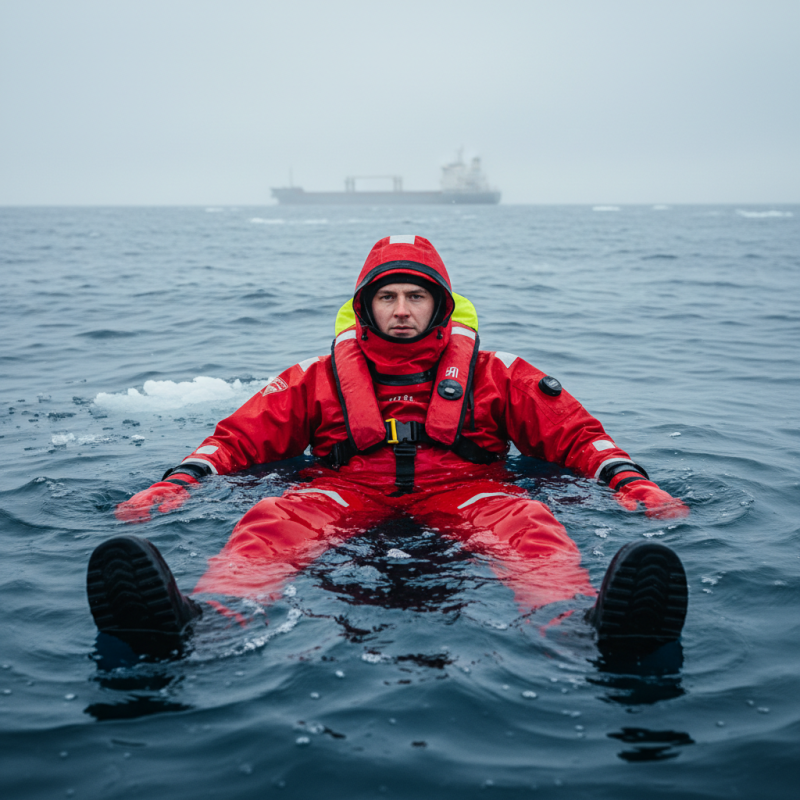
An immersion suit is a critical safety device designed for people who work or travel over cold water. According to the International Maritime Organization, exposure to cold water can lead to hypothermia in just minutes. Immersion suits provide insulation and buoyancy, keeping individuals warm and afloat in emergency situations.
These suits are made from waterproof materials that trap body heat. They come equipped with seals at the cuffs and neck to prevent water entry. The design also includes reflective strips for visibility. In industry reports, about 70% of seafarers believe that wearing immersion suits increases their survival chances if they fall overboard. This highlights the importance of adherence to safety protocols.
However, some challenges remain. While immersion suits are effective, they can be uncomfortable, leading to resistance in wearing them. A survey indicated that nearly 25% of users felt restricted in movement. Additionally, proper fitting is crucial, as a poorly fitted suit can compromise buoyancy and warmth. It’s essential to rethink comfort and functionality to encourage greater use among maritime workers.
An immersion suit is designed to protect individuals in cold water emergencies. It is a crucial safety device for maritime activities. Understanding its key components helps users appreciate its functionality.
The outer layer is typically made of waterproof materials. This layer keeps water out, but it can be stiff and uncomfortable. Inside, there’s insulation, often made from foams or other thermal materials. This insulation keeps body heat trapped, which is vital for survival. The suit also features seals at the wrists and ankles. These seals prevent water from entering, yet can sometimes pinch, making them less comfortable.
Another important aspect is the added buoyancy. Many immersion suits have built-in flotation aids. This helps keep the user afloat in the water. However, some people find that buoyancy can be restrictive during movement. Additionally, immersion suits often have reflective surfaces. This is useful for visibility, especially in rough conditions. But depending on the color, it might not be as effective in all environments, leading to potential safety issues.
An immersion suit is a crucial piece of safety equipment designed to protect individuals in cold water environments. It seals effectively against water, greatly reducing heat loss. This suit is particularly vital for maritime workers, where accidents can lead to immersion in icy conditions. According to the National Institute for Occupational Safety and Health, cold water can lead to hypothermia in less than 30 minutes.
How does an immersion suit function? The suit traps a layer of water close to the skin. This water, warmed by body heat, minimizes the risk of rapid cooling. A well-fitting immersion suit can provide survival time of several hours, depending on the water temperature. However, it is worth noting that improper use can hinder its effectiveness. For example, an untested or damaged suit may not provide adequate insulation.
Understanding the limitations of immersion suits is essential. They are not foolproof. Factors such as user experience and environmental conditions can impact survival rates. In some cases, individuals struggle to don or operate the suit correctly under stress. Reports indicate that training and familiarity with such equipment are often overlooked. This can lead to dire consequences in emergency situations. Awareness and proper training can make a significant difference.
| Feature | Description |
|---|---|
| Purpose | To provide thermal protection and buoyancy in cold water emergencies. |
| Material | Made from insulated and waterproof materials such as neoprene or nylon. |
| Design | Typically features an integrated buoyancy system and zipper closures to prevent water ingress. |
| How It Works | Traps a layer of water between the suit and the body, which is warmed by body heat, providing insulation. |
| Usage | Commonly used by maritime workers, emergency responders, and individuals on boats. |
| Regulations | Must meet specific safety standards depending on the region and intended use. |
Immersion suits are critical safety devices for maritime personnel. They are used in emergency situations where individuals may find themselves in cold water. Situations requiring immersion suits include marine accidents, sinking vessels, and helicopter ditching. These suits are designed to provide thermal protection and buoyancy. In the cold waters of the North Atlantic, survival rates decrease significantly without proper gear. Reports indicate that 80% of individuals wearing immersion suits survive cold-water immersion longer than those without.
The effectiveness of immersion suits is evident in industry studies. Data show that immersion suits can extend survival time by up to six hours in 32°F (0°C) water. They minimize heat loss and delay hypothermia onset. However, there are flaws in training and usage. Not all personnel are familiar with the suits’ functionality. A study highlighted that only 70% of crew members receive adequate training on proper donning techniques. This gap can lead to poor performance in real emergencies.
Moreover, immersion suits require regular checks for wear and tear. Many users may overlook this aspect, increasing risks. A report revealed that about 30% of immersion suits in service were found to be compromised. The consequences of neglecting maintenance can be dire. Proper care, regular training, and awareness are vital for maximizing this essential safety equipment’s effectiveness.
Immersion suits are crucial for survival in cold water. They provide thermal protection and buoyancy. However, just having an immersion suit isn’t enough. Proper maintenance and adherence to safety regulations are vital. Regular inspections help to identify any wear or damage. Suits should be stored properly to avoid unnecessary deterioration. Avoid sharp objects when storing. Keep them in a cool, dry place.
Familiarity with safety regulations is also essential. Users must know how to put on and adjust the suit quickly. Conducting drills is beneficial. They help in building confidence and efficiency. Check the suit's seals and zippers frequently. Many users overlook these details. Neglecting them could lead to water ingress. This can compromise the suit's effectiveness in an emergency situation.
In real-life scenarios, simple mistakes can have dire consequences. If a suit isn't fitted correctly, it won't perform as intended. Practicing regular maintenance saves lives. Reflect on your procedures. Are they up to the standard? Continuous evaluation can enhance safety. Immersion suits are life-saving devices, but only when used correctly.
: An immersion suit protects individuals in cold water emergencies, providing thermal insulation and buoyancy.
The outer layer is typically waterproof, while insulation is made from foams or thermal materials for heat retention.
Seals at wrists and ankles prevent water entry, but they may pinch and be uncomfortable for some users.
They are essential during marine accidents, sinking vessels, or helicopter ditching to enhance survival chances.
Familiarity with the suits' functionality is crucial; studies show only 70% of personnel receive adequate training.
Many users neglect regular checks, and about 30% of suits are found compromised, increasing risks in emergencies.
Store in a cool, dry place, avoiding sharp objects to prevent damage and deterioration of the suit.
A poorly fitted suit may not perform correctly, increasing the risk of danger in an emergency.
Conducting drills builds confidence and ensures quick adjustment and donning of the suit in emergencies.
Proper care and frequent checks can save lives by ensuring the suit functions as intended during emergencies.
Immersion suits are specialized protective garments designed to keep individuals safe in cold water emergencies. They are typically used by maritime personnel and feature key components such as insulation materials, watertight seals, and reflex materials for visibility. These suits function by trapping a layer of water between the suit and the wearer's body, which is then warmed by body heat, helping to maintain core temperature in frigid environments.
Situations for using immersion suits include abandoning ship, survival in polar waters, or during maritime accidents. It is essential for users to adhere to safety regulations and perform regular maintenance on their immersion suits to ensure effectiveness during emergencies. By understanding the importance and functionality of immersion suits, individuals can be better prepared for potential hazards at sea.

Aero Apex