Cleaning aircraft windshields requires special care. Improper techniques can lead to scratches and impair visibility. "How to clean an aircraft windshield without scratching it?" is a common concern among pilots and maintenance crews. According to Mark Stevens, an aviation safety expert, “Using the right materials is crucial for protecting these surfaces."
First, understanding the materials involved in aviation windshields is essential. They are often made of acrylic or polycarbonate, which are sensitive to certain cleaners. Experimenting with harsh chemicals or abrasive materials can lead to permanent damage. Always choose products specifically designed for aircraft use.
Many pilots have shared their experiences, highlighting the need for gentle techniques. For example, using soft microfiber cloths prevents scratching. Additionally, rinsing windshields before cleaning removes dirt particles that can scratch the surface. Reflection and careful practice can help refine your cleaning routine, ensuring safety and visibility while flying.
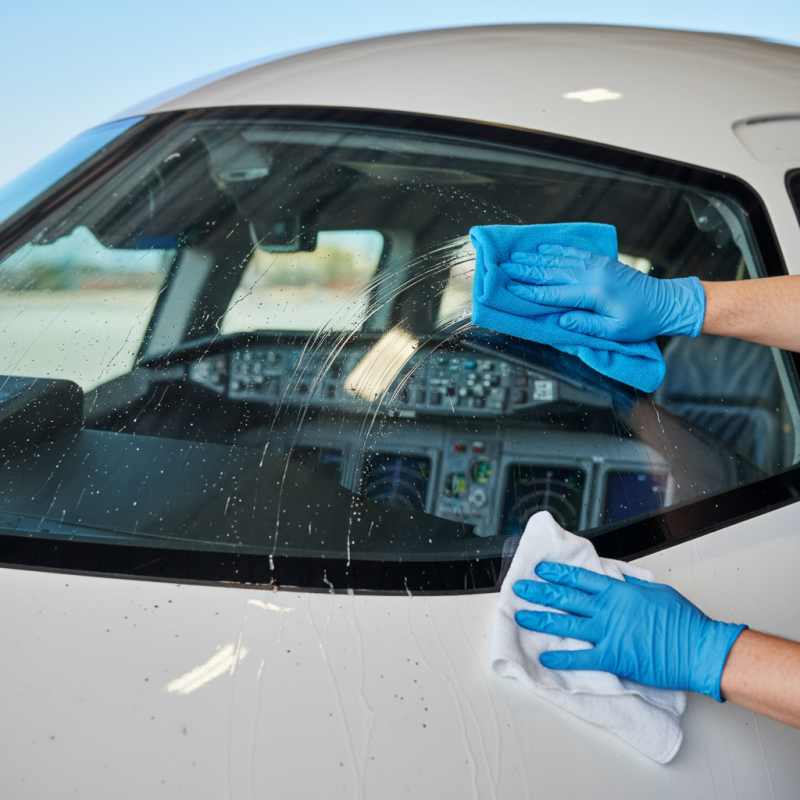
Aircraft windshields are typically made from materials like polycarbonate or acrylic. These materials offer high visibility and safety. However, they are also prone to scratching and can be easily damaged by improper cleaning techniques. According to a report by the National Transportation Safety Board, improper maintenance remains a leading cause of windshield failure in aviation.
When cleaning these surfaces, it is crucial to use soft, non-abrasive materials. Microfiber cloths are a preferred option. They absorb dirt and grime without causing scratches. In a study conducted by the Aircraft Maintenance Technology Journal, it was revealed that more than 30% of pilots reported visibility issues due to scratched windshields, which can compromise safety.
Understanding the vulnerabilities of these materials helps in choosing the right cleaning products. Many standard glass cleaners may contain chemicals that can cause clouding or damage. A careful selection of appropriate cleaning solutions is necessary. Furthermore, pilots and maintenance crews need to be educated on proper techniques to enhance safety and prolong the life of these essential components.
Cleaning aircraft windshields requires careful consideration of the tools and materials used. Start with a soft microfiber cloth. This type of cloth prevents scratching and helps remove dirt effectively. A scratch on a windshield can be dangerous. It can impair visibility. Always use clean cloths to avoid transferring grit.
Next, consider a pH-balanced windshield cleaner. This helps in breaking down grime without damaging the surface. Avoid harsh chemicals. They can etch the glass over time. Water can also be an effective cleaner. Slightly soapy water often works well for most dirt. Just be sure to rinse thoroughly afterward.
For stubborn stains, a gentle, non-abrasive scrubbing pad can help. Be careful not to apply too much pressure. Regular maintenance can make the cleaning process easier. Inspect the windshield frequently for signs of wear. Using the right tools ensures safety and longevity for the aircraft. Always remember, a clean windshield enhances clarity, which is crucial for safe flying.
Cleaning aircraft windshields requires a careful approach. Start by gathering the right materials. Use a soft microfiber cloth. Avoid paper towels, as they may scratch the surface. A bucket of warm, soapy water works well. Choose a gentle soap to prevent damage.
Dampen the cloth with the soapy water. Gently wipe the windshield in straight motions. Circular movements can create streaks. Rinse the cloth frequently to remove debris. For stubborn spots, consider a specialized cleaner. Test it on a small area to ensure safety.
Once clean, rinse the windshield with plain water. This removes any soap residue. Use a fresh, dry microfiber cloth to pat the surface dry. This step helps prevent water spots. Reflect on your technique; it may take practice to achieve the best results. Maintaining the windshield not only enhances visibility but also prolongs its lifespan.
Cleaning aircraft windshields requires special care to prevent scratches. Using the right cleaning solutions can make a big difference. Avoid abrasive materials. Instead, choose gentle, non-abrasive cleaners specifically designed for aviation use. Many of these solutions are formulated to remove grime without damaging the glass.
Tips for cleaning: Always use soft, lint-free cloths. Microfiber cloths are ideal as they pick up dirt effectively. When applying the cleaning solution, make sure to spray it on the cloth, not directly on the windshield. This prevents excess liquid from seeping into areas that might damage hardware.
Take your time. Rushing the process can lead to mistakes, like using the wrong material or applying too much pressure. If you're unsure about a product, it's worth checking with aviation maintenance professionals. This can help ensure the safety and clarity of your windshields for optimal visibility. Proper care nurtures aircraft longevity.
| Cleaning Solution | Recommended Usage | Scratch Risk Level | Notes |
|---|---|---|---|
| Distilled Water | Use with a microfiber cloth | Low | Best for regular cleaning |
| Vinegar Solution | Mix with water (1:1 ratio) | Medium | Effective for removing grime |
| Commercial Aircraft Cleaner | Follow manufacturer instructions | Low | Designed specifically for aircraft |
| Mild Dish Soap | Dilute in water | Low | Safe for regular use |
| Isopropyl Alcohol | Use sparingly, dilute if needed | Medium | Good for tough spots |
Maintaining aircraft windshields is crucial for safety and visibility. Regular checks can help prevent scratches and damage. Inspect your windshields for chips and cracks frequently. Pay attention to any debris that might accumulate on the surface. These small details are often overlooked but can result in bigger issues.
Choosing the right cleaning materials is essential. Use a soft cloth or sponge to avoid scratches. Microfiber cloths are particularly effective. Always use non-abrasive cleaners made specifically for aircraft. You might think your regular glass cleaner is safe. It could contain chemicals that harm the windshield.
After cleaning, ensure the surface is completely dry. Water spots can obscure vision. Consider applying a protective film designed for aviation use. This can prevent scratches and provide a protective barrier against elements. It's easy to overlook the long-term effects of neglecting windshield care. Regular maintenance is not just a chore; it's a necessity for safety.
: Aircraft windshields are typically made from polycarbonate or acrylic materials. They provide high visibility and safety.
Improper cleaning can lead to scratches and damage. This affects visibility and safety for pilots.
Soft microfiber cloths are recommended. They prevent scratches and effectively remove dirt and grime.
No, many standard glass cleaners contain chemicals that may cloud or damage the surface.
Regular inspections for wear and damage are crucial. This ensures a clear view and safe flying conditions.
A gentle, non-abrasive scrubbing pad with a pH-balanced windshield cleaner is recommended.
Clear visibility is essential for safe flying. Scratched windshields can compromise safety during flight.
Yes, slightly soapy water can effectively clean most dirt. Just rinse thoroughly afterward to avoid residue.
Harsh chemicals can etch the glass over time, leading to permanent damage.
They need education on proper cleaning techniques to enhance safety and prolong windshield life.
Cleaning an aircraft windshield requires careful consideration to avoid damage. To answer the question, "How to clean an aircraft windshield without scratching it?", one must first understand the materials used in aircraft windshields, such as polycarbonate or acrylic, which can be vulnerable to scratches. Essential tools include microfiber cloths and non-abrasive cleaning materials designed specifically for aviation use.
The cleaning procedure involves a step-by-step approach, starting with rinsing the windshield to remove loose debris, followed by using the appropriate cleaning solution applied with gentle pressure. Recommended cleaning solutions should be free from solvents and abrasive agents that could cause scratches. Lastly, implementing preventative maintenance tips, such as regular inspections and protective coatings, can significantly extend the life and clarity of aircraft windshields. By adhering to these guidelines, aircraft owners and personnel can safely maintain their windshields while ensuring optimal visibility in flight.

Aero Apex