How to Select the Best Aviation Headset for Noisy Cockpits?

Time:2026-07-23 Author:Liam
0%

In the aviation industry, selecting the right headset for noisy cockpits is crucial for safety and communication. According to a recent FAA report, cockpit noise can exceed 100 decibels, which poses a risk to pilots' hearing and can hinder communication. Experts emphasize the importance of noise-canceling technology in headsets. "Choosing the right aviation headset can significantly enhance a pilot's focus and safety in high-noise environments," says John Altman, an aviation sound engineer.

When considering how to choose the right aviation headset for a noisy cockpit, pilots must evaluate several factors. Comfort is paramount, especially during long flights. Headset weight and ear pad material can greatly affect comfort levels. Additionally, battery life is important for active noise cancellation features. It’s worth reflecting on the common oversights; many pilots overlook sound isolation. A headset that fits poorly can allow harmful noise levels to penetrate, defeating its purpose.

Investing in a quality headset is not just about comfort; it’s also about performance. The right choice can prevent hearing loss and improve situational awareness. However, it's easy to get lost amidst numerous options. Take time to research and test various models before making a purchase.
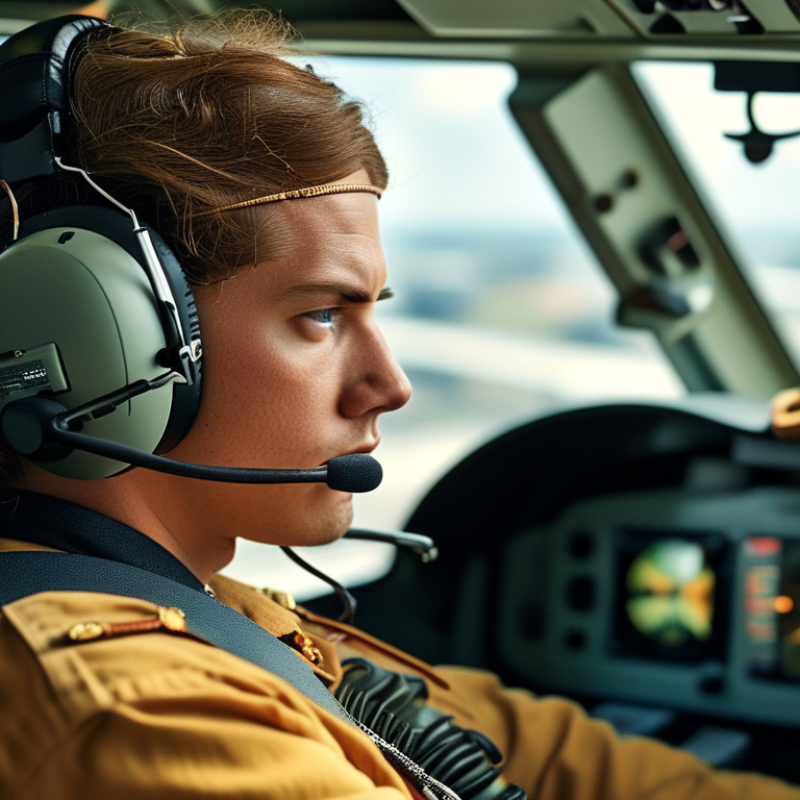
How to Select the Best Aviation Headset for Noisy Cockpits?

Understanding the Importance of Noise-Canceling Features in Aviation Headsets

In aviation, noise-canceling features in headsets are crucial. Cockpits can be incredibly loud, with sound levels reaching up to 100 dB. This can lead to hearing loss and fatigue over time. Studies show that pilots using noise-canceling headsets experience reduced fatigue, improving their focus. According to the FAA, effective noise reduction helps maintain alertness and enhances flight safety.

Professional pilots need reliable gear. Noise-canceling technology typically uses microphones to pick up ambient sound. They then generate sound waves that cancel out the noise. Many top models offer up to 30 dB of noise reduction. However, not all models provide the same efficacy. It's essential to try different options. Comfort plays a role, too. Some may feel heavy during long flights, causing discomfort.

Choosing the right headset is about finding balance. Not every headset will suit every pilot’s needs. Some styles may not fit well with certain helmets. Others may not provide adequate noise cancellation in specific cockpit environments. Feedback from peers can guide decisions. Testing headsets in real conditions is vital for assurance. Each flight experience is unique, and headsets should enhance it, not detract from it.

Key Factors to Consider When Choosing an Aviation Headset for Noise Reduction

When selecting an aviation headset for noisy cockpits, noise reduction is essential. Look for headsets with active noise cancellation (ANC) capabilities. ANC technology helps reduce ambient noise, allowing pilots to focus on communication and flying tasks. The effectiveness of ANC can vary significantly among models. Testing a few options in a simulator or during a flight can provide insight into their performance.

Comfort is another key factor. Cockpit environments can be intense, requiring headsets that are lightweight and well-padded. Look for adjustable headbands and soft ear cushions. A comfortable fit minimizes fatigue during long flights. Adjustability helps the headset conform to different head sizes, which enhances both comfort and noise isolation.

Lastly, connectivity options are crucial. Some headsets may offer Bluetooth for connecting to devices. This feature can improve the pilot's ability to receive instructions and communicate without distractions. However, reliance on technology can sometimes lead to issues. Always have a backup communication plan in case of malfunction. Choosing the right aviation headset involves careful consideration of these factors to ensure a safer and more effective flying experience.

How to Select the Best Aviation Headset for Noisy Cockpits? - Key Factors to Consider When Choosing an Aviation Headset for Noise Reduction

Factor Description Importance Level
Active Noise Reduction Provides active cancellation of ambient noise, essential for noisy cockpits. High
Comfort Proper padding and adjustable headband are necessary for long flights. High
Microphone Quality Clear audio transmission for communication with air traffic control is critical. High
Durability Must withstand the rigors of flying and potential wear and tear. Medium
Weight Lightweight design helps in reducing fatigue during long flights. Medium
Price Consideration of budget while balancing quality and features. Low

Comparing Passive vs. Active Noise-Canceling Technologies in Aviation Headsets

When choosing an aviation headset for noisy cockpits, understanding noise-canceling technologies is essential. Passive noise cancellation uses physical barriers to block sound. It relies on padded ear cups to seal against the head. This method can reduce noise by about 15 to 30 decibels. It is quite effective for general sound reduction. However, it may not eliminate all background noise.


Active noise-canceling technology goes a step further. It uses microphones to detect external sounds and emits sound waves that counteract them. Research shows that active systems can reduce noise levels by 20 to 40 decibels, offering a significant advantage in loud environments. However, these systems can sometimes struggle in specific frequencies, resulting in inconsistent performance.


Choosing between these technologies depends on the cockpit environment. For low-frequency noise, passive headsets may suffice. In contrast, for more chaotic conditions, active noise cancellation is preferable. Pilots often face vocal communication challenges, making it crucial to select a headset that enhances clarity while minimizing distractions.


Balancing comfort, weight, and noise reduction features is vital for long flights. Evaluating your specific needs and cockpit noise levels can lead to a more informed decision.

Evaluating Comfort and Fit for Long Flights in Noisy Cockpits

Selecting an aviation headset for noisy cockpits entails considering factors like comfort and fit. Pilots often endure long hours in demanding environments. According to a study by the FAA, long exposure to cockpit noise can lead to fatigue and decreased concentration. Therefore, a well-fitted headset becomes crucial.

A snug fit is essential for effective passive noise reduction. Headsets should be adjustable and lightweight. The right materials can enhance comfort during extended use. Foam ear seals should conform to your ears without applying excessive pressure. Research indicates that comfort can improve pilot focus by nearly 20%. This is a significant benefit during critical flight operations.

Tips: Remember to try on headsets for at least 30 minutes. This helps to ensure they won’t cause discomfort over time. Look for headsets that offer adjustable clamping force; this can help achieve the perfect fit. Additionally, consider how the weight affects endurance. A heavy headset can lead to neck strain, particularly on longer flights. Simple adjustments can make a world of difference.

Comfort and Fit Evaluation of Aviation Headsets in Noisy Cockpits

Examining Additional Features: Bluetooth Connectivity and Bi-directional Communication

When selecting an aviation headset, Bluetooth connectivity is a game changer. It allows pilots to connect to devices wirelessly. This feature eliminates tangled wires, providing more comfort and flexibility. Many headsets now include Bluetooth, which enhances communication with crew members and air traffic control. Wireless connectivity promotes clearer audio, reducing distractions in noisy environments.

Bi-directional communication capabilities are equally crucial. This feature ensures that both the pilot and co-pilot can communicate without interruptions. Clear exchanges can prevent misunderstandings during critical phases of flight. In a turbulent cockpit, every word matters. Investing in headsets with advanced noise-cancellation technology amplifies the benefits of bi-directional communication.

However, not all Bluetooth and communication features are created equal. Some users might find that connection stability isn't always reliable. It’s essential to read reviews and test headsets before making a decision. Comfort matters, and long flights can be exhausting with the wrong design. Balance between features and comfort is necessary for every flight.

FAQS

: What is the importance of noise reduction in aviation headsets?

: Noise reduction helps pilots focus on communications and flying tasks, especially in noisy cockpits.

How does active noise cancellation (ANC) work?

ANC uses microphones to detect noise and emits counteracting sound waves, reducing ambient noise significantly.

What factors should I consider for comfort when choosing a headset?

Look for lightweight headsets with adjustable, padded ear cushions to minimize fatigue during long flights.

Are passive noise-canceling headsets effective?

Yes, passive noise cancellation reduces noise by about 15 to 30 decibels using padded ear cups but may not eliminate all sounds.

How does Bluetooth connectivity benefit pilots?

Bluetooth allows pilots to connect wirelessly to devices, enhancing communication and reducing distractions from tangled wires.

What challenges can arise from using Bluetooth in headsets?

Connection stability can be an issue; testing headsets before purchase is essential for reliable communication.

How can bi-directional communication improve flight safety?

It allows uninterrupted exchanges between pilot and co-pilot, crucial for avoiding misunderstandings during flights.

Why is adjustability important in aviation headsets?

Adjustability ensures a snug fit for different head sizes, enhancing comfort and noise isolation for better performance.

What should I do if Bluetooth features don’t work reliably?

Always have a backup communication plan in place, as technology malfunctions can occur unexpectedly.

Can the choice between passive and active noise cancellation impact communication clarity?

Yes, for chaotic environments, active noise cancellation typically enhances clarity while minimizing distractions for vocal communication.

Conclusion

When it comes to selecting a headset that can effectively mitigate the cacophony of a noisy cockpit, understanding how to choose the right aviation headset for a noisy cockpit is crucial. Prioritizing noise-canceling features is essential, as these technologies significantly reduce ambient sounds, allowing for clear communication and enhanced focus. Key factors such as fit and comfort are also vital since pilots may spend long hours wearing their headsets.

Moreover, it's important to compare passive and active noise-canceling technologies, as each has its benefits depending on the specific cockpit environment. Additional features like Bluetooth connectivity and bi-directional communication can further enhance usability and convenience. By carefully considering these aspects, pilots can ensure they select a headset that meets their needs for both noise reduction and overall comfort during flights.

Liam

Liam

Liam is a dedicated marketing professional with a profound expertise in the industry, where he excels at highlighting the unique advantages of our core products. With a keen understanding of market trends and consumer needs, Liam frequently updates our company’s professional blog, providing......