Emergencies can lead to dire situations, especially during flights over water. The question arises: "What is the best way to survive an emergency water landing?" Statistics reveal that water landings, while rare, have specific survival outcomes. According to studies, approximately 30% of water landing incidents result in fatalities. Understanding how to increase your chances of survival is crucial.
Experts emphasize that preparation is key. Knowing safety protocols, such as how to use life vests and inflatable rafts, can make a significant difference. Furthermore, practicing evacuation procedures can improve response time during crises. Research shows that passengers who remain calm and follow instructions are more likely to survive.
Survival isn't guaranteed, even with knowledge and preparation. Many passengers fail to act promptly or panic, decreasing their chances. Regular training and awareness are vital to improving survival rates. Each incident offers lessons, reminding us that anticipation and knowledge are essential for safety in aviation.
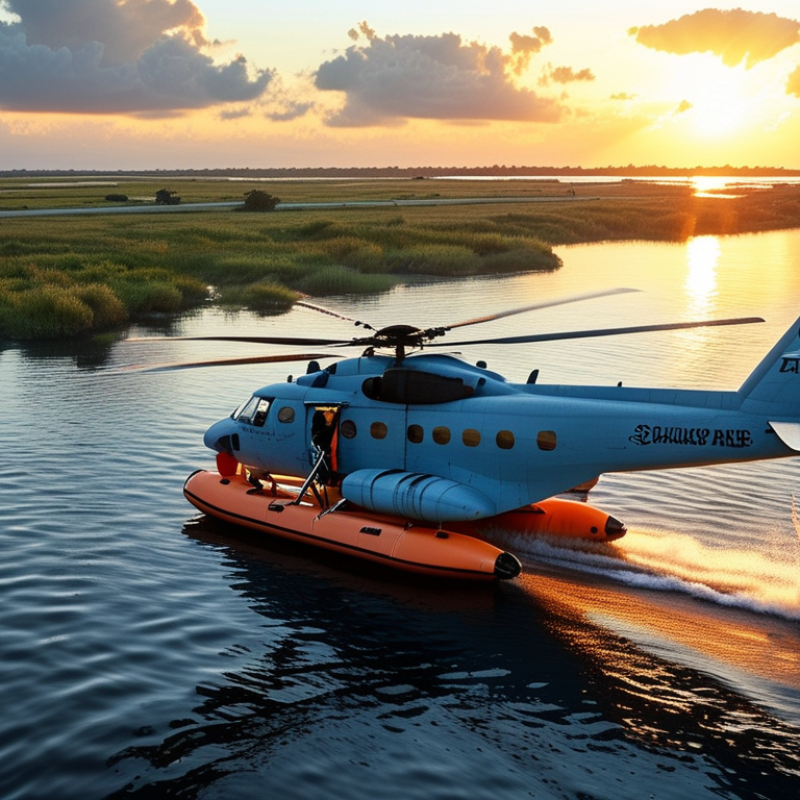
Understanding the Basics of Emergency Water Landings
Emergency water landings can be daunting. Knowing the basics can make a difference. An aircraft may face this situation due to mechanical failure or severe weather. It is crucial to stay calm and pay attention to safety briefings. Those briefings provide vital information about exits and flotation devices. Familiarizing yourself with aircraft layouts can help during a crisis.
In an emergency, time is limited. Keep your seatbelt fastened until the plane touches the water. Once it lands, check for damage before unfastening your belt. Stay low to avoid inhaling any escaping fumes. Remember, the exits may not be readily available. Identify your closest exit beforehand. Personal flotation devices might be under your seat or in the overhead compartments.
Once outside, remain close to the aircraft. It offers some survival protection. Signal for help with visible motions if you're found. Try to gather nearby survivors to share resources. Floating together increases everyone’s chances of survival. Even with all preparations, it’s natural to feel panic. Reflecting on previous experiences can guide your reactions. Adaptability is essential in such unpredictable scenarios.
Preparing for an Emergency Water Landing: Key Safety Measures
In the event of an emergency water landing, preparation is essential. Familiarizing yourself with the aircraft’s safety features can significantly enhance your chances of survival. Pay close attention to the safety briefing provided before the flight. Know where the nearest exits are located and how to operate them. Memorizing these details can be crucial when every second counts.
When seated, ensure your life jacket is easily accessible. Practice putting it on and inflating it as instructed. This action can save vital time during an emergency. During turbulent moments, calmness is key. Panic can hinder your ability to act quickly. Focus on following safety protocols and aid others when needed.
After exiting the aircraft, remain near it if possible. The fuselage can serve as a makeshift flotation device. Stay together with fellow passengers, as this increases visibility for rescuers. Remember, survival is a group effort. Reflecting on these points may inspire further preparation in life’s other unpredictable moments.
Best Tips for Surviving an Emergency Water Landing
Steps to Take During an Emergency Water Landing
In an emergency water landing, knowing the right steps is crucial. According to the International Air Transport Association (IATA), survival rates in such incidents can be higher if passengers are prepared. Time is of the essence. Immediately buckle your seatbelt and brace for impact. When the aircraft hits the water, expect a sudden stop. Stay calm and focus.
Once the plane comes to a halt, assess your surroundings. Water may rush in swiftly, so locate your nearest exit. Life vests are often under your seat. Put yours on before exiting. The U.S. Coast Guard reports that more than 80% of passengers forget to do this during emergencies. Keep in mind that exits may not always lead to safety. Broken windows could impede your escape. Swim only if it's absolutely necessary, as currents can be deceptive.
Remember to help others if you can. Assisting frail passengers increases overall survival rates. Ensure you check for injuries before evacuating. Data from safety training programs suggest that a calm, coordinated approach saves lives. After exiting, inflate your life vest and stay close to the aircraft. Help will arrive, but being patient is critical.
Survival Skills and Techniques After a Water Landing
Emergencies can happen, and water landings are one of the scariest scenarios. Knowing survival skills is crucial. First, focus on the immediate environment. Try to remain calm. Panic can cloud your judgment. Look for life vests or flotation devices. They can make a significant difference in surviving the impact. It’s vital to exit the aircraft swiftly. Water can quickly engulf the plane.
Once outside, you should assess your surroundings. If you are near debris, use it for flotation. Stay close to others who may need your help. Signaling for other survivors or rescuers is critical. Use reflective materials or bright clothing to attract attention. Avoid swimming long distances unless absolutely necessary. Conservation of energy is key.
Surviving a water landing requires quick thinking and resourcefulness. You may not always have all the tools at your disposal. Sometimes, it’s about using what you can find. Remember, even the smallest actions can have a big impact on survival. Keeping a level head and evaluating your situation will help decide the best course of action. This approach can truly make the difference between life and death in an emergency.
How to Signal for Help and Ensure Rescue in Water Survival
In an emergency water landing, signaling for help is crucial. The best way to attract attention is by using bright colors. If you have a life jacket, inflate it and wave it above the water. Reflective materials can also help. When it comes to signaling, sound can be effective. Yelling or using a whistle can reach rescuers. Keep your voice strong and clear.
Visibility is key. Make sure you stay in a location where rescuers can find you. If possible, stay close to the aircraft. It acts as a beacon in the vast ocean. Use any available flotation device to keep your head above water. Save your energy for when help approaches.
Don’t forget about immediate surroundings. If you see other survivors, gather together. This increases your chances of being noticed. Communication can be challenging, especially in panic. Focus on staying calm and collected. Use hand signals to coordinate with others. In chaotic situations, a bit of confusion is normal. Adapt and remain alert for any signs of rescue.
Best Tips for Surviving an Emergency Water Landing
| Tip |
Description |
Signaling Method |
Survival Gear |
| Stay Calm |
Take deep breaths to reduce panic and think clearly. |
N/A |
N/A |
| Inflate Life Vest |
Put on your life vest before exiting the aircraft to float safely. |
Wave arms to signal nearby help. |
Life vest |
| Leave the Aircraft |
Exit quickly and orderly to avoid drowning. |
Use reflective signals or bright colors to attract attention. |
Reflective signaling device |
| Group Together |
Stay close to other survivors to increase visibility. |
Form a large human circle or signaling pattern. |
Survival raft |
| Conserve Energy |
Float on your back and keep still if rescued is not immediate. |
Use a whistle or voice to call for help if needed. |
Whistle |
Conclusion
When faced with an emergency water landing, understanding the basics is crucial for survival. The best way to survive an emergency water landing involves preparation, which includes familiarizing oneself with safety measures and aircraft procedures. Knowing how to properly brace for impact, securing loose items, and putting on a life vest are essential steps that can significantly increase your chances of survival.
During the actual landing, remaining calm and following established protocols can help manage the situation effectively. After the water landing, survival skills such as finding floating debris for support, conserving energy, and using proper signaling techniques are critical in attracting rescue teams. Ultimately, mastering these steps and skills can answer the question, "What is the best way to survive an emergency water landing?" and enhance your ability to remain safe until help arrives.

 Aero Apex