In the aviation industry, efficient fuel supply is crucial. Proper Aircraft Refueling Equipment plays a key role in operational efficiency. According to a recent industry report by MarketsandMarkets, the global aviation fuel market is projected to reach $99.56 billion by 2025. This growth highlights the increasing demand for reliable refueling systems.
Aircraft refueling is not just a logistical concern; it directly impacts flight schedules and operational costs. An effective refueling strategy involves understanding various equipment types, from fuel trucks to hydrant systems. Each type has unique advantages and considerations. For instance, fuel trucks offer flexibility, while hydrant systems provide rapid refueling capabilities.
However, challenges persist. Equipment failures can lead to delays or accidents. Maintenance is crucial but often overlooked. As technology advances, new solutions emerge, yet some legacy systems remain in use. This inconsistency in equipment underscores the need for ongoing evaluation and investment in modern refueling solutions. The quality of Aircraft Refueling Equipment is vital to ensuring safety and efficiency in air travel. Companies must reflect on their current practices to navigate future growth successfully.
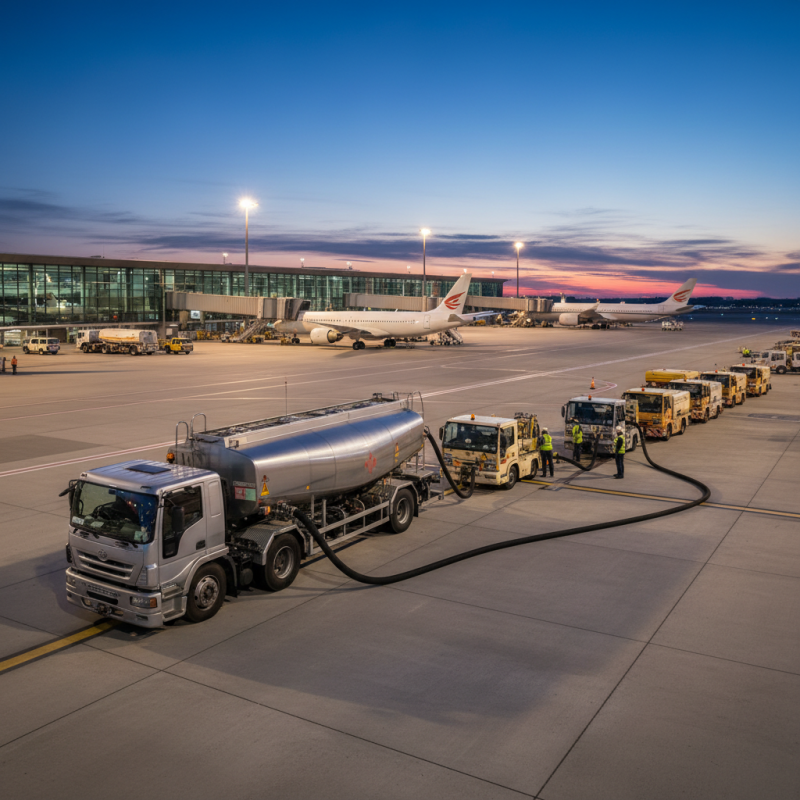
Aircraft refueling equipment plays a crucial role in aviation operations. Understanding the different types can enhance efficiency and safety. Ground vehicles, fuel tanks, and reeling systems are central. Each of these components has specific functionalities that cater to the needs of different aircraft types.
When selecting refueling equipment, consider the flexibility and capacity required. For instance, mobile refueling units can adapt to various situations. They are ideal for remote locations where fixed facilities may not be present. Many operators overlook maintenance needs. Regular checks are essential to ensure all equipment functions properly.
Tips: Always verify fuel quality before refueling. Contaminated fuel can cause serious engine issues. Additionally, invest in training for staff. Proper training reduces accidents and enhances operational efficiency. Remember to assess the efficiency of your systems regularly. It’s important to understand their limitations and make necessary adjustments.
Aircraft refueling systems play a critical role in aviation. Understanding the various types can enhance operational efficiency. The most common systems include single-point, over-wing, and portable refueling.
Single-point systems allow for rapid refueling through one port, which is essential for military and commercial jets. According to a 2022 aviation report, these systems reduce downtime by up to 40%.
Over-wing refueling, often used for piston aircraft, involves filling tanks from the top. This method can be slower and may require more personnel. Statistics show that while simpler, over-wing systems increase the risk of spills—both environmental concerns and costly cleanups.
Portable refueling units also facilitate remote operations. They are essential for smaller airports that lack permanent infrastructure. However, these units may not have the same flow rates as larger systems, impacting efficiency.
The industry faces challenges with maintenance and safety standards. When mishandled, even the best systems can become liabilities. Data indicates that 15% of refueling incidents relate to equipment failure. Companies must reflect on their current protocols to prevent such issues. As aviation technology improves, the need for better systems becomes clear. Enhanced training and equipment upgrades are essential for safer operations.
Understanding the key features of essential aircraft refueling equipment
is crucial. Pressure refueling systems are efficient. They minimize downtime and speed up the process.
These systems often include filtration units to ensure clean fuel. Filtering removes contaminants that could harm engines.
Another vital component is the fuel hydrant system. It connects to underground storage tanks. This allows for quick transfer of fuel to aircraft.
The hydrant system should be regularly inspected. Any leaks or blockages can lead to serious issues.
Finally, a dedicated refueling vehicle is important. These vehicles need to meet safety standards.
They often come equipped with high-capacity tanks and hose reels. However, training operators is crucial.
Poor training can result in accidents. Understanding how to use the equipment ensures safety and efficiency. Regular maintenance checks are also essential. Equipment must be reliable during operations.
A well-maintained system can prevent costly delays.
When it comes to aircraft refueling, safety standards and regulations are paramount. These guidelines ensure that operations run smoothly and minimize risks. Knowing the proper protocols can reduce accidents and enhance efficiency. All personnel must be trained in handling fuels and equipment. Use of personal protective equipment is non-negotiable. Safety measures are not just best practices; they’re essential.
Tips: Always check for leaks in hoses before refueling starts. This step can prevent catastrophic failures. Having a fire extinguisher nearby is crucial. Clear communication between ground crews is vital. Use hand signals or radios to relay important information during operations. It’s easy to overlook these details, but they can save lives.
Proper documentation is another key aspect of safety. All refueling operations should be logged. This includes times, amounts, and personnel involved. Even a minor oversight can lead to serious consequences. Regular audits of compliance can help in identifying weak spots in your processes. A proactive approach fosters a culture of safety within the team.
Maintaining aircraft refueling equipment is crucial. Regular checks can dramatically improve performance. Ensure that all components are inspected often. Look for signs of wear and tear. Small leaks can lead to significant problems. These need immediate attention. Keep the equipment clean and free from debris.
Operational training for staff is vital too. Knowledge about safety protocols is essential. Staff need to know how to respond in emergencies. Regular drills can enhance readiness. However, even well-trained personnel make mistakes. Encourage a culture of continuous learning. Sharing experiences can lead to better practices.
Documentation is another critical aspect. Keep detailed records of maintenance activities. This helps track performance over time. Spotting trends early can prevent costly failures. Yet, consistency in record-keeping is often lacking. A simple checklist can help maintain rigour. It's easy to overlook, but essential for safety.
: Aircraft refueling equipment enhances efficiency and safety during aviation operations.
Common systems include single-point, over-wing, and portable refueling. Each serves different aircraft needs.
Regular maintenance ensures equipment functions properly. Neglect can lead to serious operational issues.
Single-point systems allow rapid refueling through one port, reducing downtime by up to 40%.
Over-wing refueling can increase spill risks, leading to environmental concerns and costly cleanup efforts.
Portable units support operations in remote locations lacking permanent infrastructure. They have lower flow rates.
Vehicles should meet safety standards, with high-capacity tanks and hose reels for efficiency.
Proper training reduces accidents and improves operational efficiency. Poor training can lead to serious risks.
Always verify fuel quality to avoid engine issues caused by contamination.
Companies should regularly assess and reflect on their systems to prevent incidents and enhance safety.
The article "Top 10 Aircraft Refueling Equipment You Need to Know" provides a comprehensive overview of essential Aircraft Refueling Equipment necessary for efficient and safe aviation operations. It discusses various types of refueling systems, highlighting their unique features and the key attributes that enhance performance. Safety standards and regulations are critically examined to ensure compliance and mitigate risks associated with aircraft refueling processes.
Additionally, the article emphasizes the importance of regular maintenance practices that are vital for optimal refueling performance. By understanding these aspects, aviation professionals can ensure that they are equipped with the knowledge needed to select and maintain the right refueling equipment, thereby ensuring safety and efficiency in their operations.

Aero Apex