Explore our elite range of ground support vehicles, tactical solutions, and engineering systems optimized for international standard compliance.
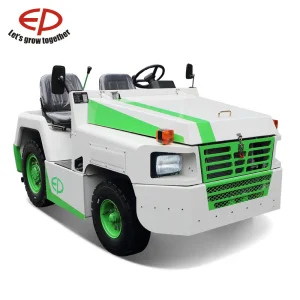
The global commercial and industrial sectors are experiencing an unprecedented surge in demand for high-efficiency logistics automation. At the heart of this transformation lies the Tug Tractor (also commonly referred to as tow tractors or baggage tugs). As global air passenger traffic rebounds and major logistics hubs transition to 24/7 autonomous operations, the reliability of tow tractors has become a critical operational metric. From heavy airport tarmac aircraft pushbacks to fast-paced distribution centers, tug tractors serve as the core force multiplier for movement efficiency.
Historically dependent on heavy internal combustion engines, modern industrial tug tractors are undergoing rapid electrification. Today, heavy industries demand multi-ton drawbar pull (DBP) capability paired with near-zero carbon footprints, ultra-reliable electronics, and telemetry diagnostics. High-volume transit centers can no longer tolerate down-time. Therefore, procurement teams prioritize specialized GSE (Ground Support Equipment) configurations that combine rugged chassis engineering with modern battery management systems (BMS).
To meet these complex global requirements, leading manufacturers integrate advanced safety features including automatic speed reduction during cornering, dual-circuit hydraulic braking, and ISO-compliant tow couplers. In this landscape, Chinese manufacturing is no longer just a low-cost alternative, but a high-tech powerhouse delivering top-tier engineering solutions globally.
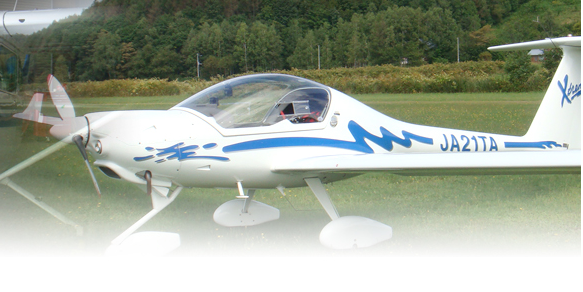
Founded in 1996, Aero Apex was established with a simple yet profound mission: to provide every pilot and passenger with a "pleasant and safe flight experience." Over the decades, this commitment has only grown stronger. As the aviation and logistics industries have evolved, so has our dedication to ensuring the highest standards of service and quality. We have placed a strong focus on importing and exporting top-quality aircraft parts, GSE systems, and related heavy equipment, ensuring that every component we provide meets the most stringent global safety and reliability criteria.
While the term "aircraft parts" may seem straightforward, it is important to recognize the vast complexity behind it. For example, a small four-seater airplane consists of over 12,000 individual parts, each playing a crucial role in ensuring safety. We apply this exact same micro-level scrutiny to our industrial tow tractors and baggage tugs. Every bolt, coupler, hydraulic valve, and motor controller is subjected to multi-stage stress tests, because we believe that ground support is the first line of defense in air travel safety.
Looking ahead, we remain committed to our core philosophy: "Do what you can today, today." This motto serves as a constant reminder to focus on the present, to take action, and to continually strive for progress. Together with our global customers, we work hard toward advancing the general aviation and heavy logistics sectors.
Unveiling the core supply chain efficiencies, raw material advantages, and design engineering integrations that give Chinese machinery global competitiveness.
From raw structural steel fabrication to advanced electronic control systems, China houses the entire industrial supply ecosystem in tight geographic clusters. This proximity reduces transit latency, optimizes sub-assembly sourcing, and translates to unmatched cost-to-performance ratios for custom heavy machinery.
As the global leader in battery technology (LiFePO4), Chinese factories offer high-voltage lithium battery solutions for industrial tugs that charge faster, last longer, and offer unmatched thermal stability. These eco-friendly electric drivetrains reduce operating costs and lower total lifetime ownership expenditures.
Engineers in our manufacturing hubs utilize advanced CAD/CAM software to iterate on tow-coupler interfaces, cabin ergonomics, and customized tire packages for unique operational climates. Whether you operate in sub-zero Nordic regions or high-humidity tropical ports, we customize solutions swiftly.
Different operational environments demand specialized drawbar pull, steering radius capabilities, and drive configurations.
Airports require highly maneuverable, low-profile towing tractors to safely move cargo containers, food supply carts, and baggage trailers under tight schedules. Our diesel-electric and pure electric towing tractors feature heavy duty planetary drive axles, tight turning radius systems, and rear-inching controls to allow single-operator trailer coupling.
Towing heavy Ro-Ro cargo containers and dry bulk trailers over uneven terminal terrain requires massive traction control and high ground clearance. Heavy-duty diesel tugs with automatic transmissions are customized for maritime environments to resist salt-spray corrosion and deliver consistent high drawbar pull over steep terminal ramps.
Indoor logistics require emission-free, near-silent operations. Electric tow tractors equipped with solid non-marking tires protect facility floors while handling heavy parts delivery to assembly stations. Integration with warehouse management systems (WMS) allows for semi-autonomous path tracking and localized warehouse mapping.
The next decade of industrial towing relies heavily on three core technologies: Electrification, Telematics, and Autonomy. The transition away from traditional diesel-only drivetrains has accelerated due to carbon reduction policies. Today's electric tow tractors utilize AC brushless drive motors, which eliminate brush replacements and reduce motor maintenance by up to 70%. These motors work in tandem with regenerative braking systems to capture kinetic energy during deceleration, feeding it back into the battery pack and extending operation windows.
Furthermore, fleet management systems are now pre-installed in premium tug tractors. By integrating IoT sensors, operational managers can remotely monitor battery state-of-health, GPS real-time positioning, drawbar pressure, and operator impact detection. This predictive maintenance data allows logistics coordinators to schedule servicing before a breakdown occurs on active tarmacs.
Lastly, AGV (Automated Guided Vehicle) technology is moving from standard warehouse paths to outdoor airfields. By integrating LiDAR, radar, and ultra-high-definition cameras, next-gen tug tractors can perform autonomous baggage cart towing along pre-mapped airport service lanes, significantly reducing labor shortages and human error risk.
A strategic framework for procurement directors evaluating high-tonnage GSE and towing equipment bids.
| Evaluation Parameter | Critical Metric / Standard | Aero Apex Compliant Level | Operational Impact |
|---|---|---|---|
| Drawbar Pull (DBP) | Rated output in kN (e.g., 20kN to 120kN) | Exceeds nominal specs by 15% structural reserve | Determines maximum towing mass capability on ramps. |
| International Safety Standards | IATA AHM 910/913/915, CE Machinery Directive | Fully Certified, documented reports | Ensures zero legal and safety hurdles in European & Western hubs. |
| Drivetrain Efficiency | AC Drive Controller matching Curtis / Zapi specs | Curtis AC Controllers integrated | Smooth acceleration curves and long battery cycle life. |
| Chassis and Structure | Heavy-gauge plate steel welded monocoque | Integrated anti-collision counterweight bumpers | Protects safety components from physical impacts. |
| Maintenance Accessibility | Tool-less access hoods, central lube points | Quick-release panels & diagnostic ports | Reduces mean time to repair (MTTR) significantly. |
When planning a fleet acquisition, understanding Total Cost of Ownership (TCO) is paramount. Lower initial purchase prices are often offset by high maintenance and energy costs. By sourcing high-quality, lithium-powered vehicles from established suppliers, airport authorities and terminal operators can achieve a full return on investment (ROI) within 24 months through fuel savings and minimal wear-and-tear part replacements.
Answers to technical and logistics questions regarding heavy-duty tug tractor imports and configuration options.
Sourcing high-performance machinery parts, tooling systems, and protective equipment configured for heavy industrial applications.
 Aero Apex