High-reliability connectors, safety tools, and structural materials calibrated for rigorous industrial operations.
Why mechanical tension calibration is the linchpin of system longevity, safety compliance, and failure prevention.
In structural, utility, and aerospace fields, cable tension is not merely a static variable; it is a critical safety-critical dynamic parameter. A cable tensiometer is a highly specialized metrological instrument engineered to measure the tension of wire ropes, aviation cables, support lines, and guy wires without needing to cut or disconnect the system. Utilizing three-point bending mechanics (deflection) or direct strain gauge integrations, modern tensiometers convert structural resistance into highly precise units of force (such as pounds, kilograms, or Newtons).
Whether rigging an aircraft's primary mechanical flight control linkages, establishing structural integrity for bridge suspension stay cables, or maintaining uniform tension across architectural cable nets, finding the best cable tensiometer manufacturer and supplier is paramount. Quality manufacturers ensure NIST-traceable calibration, structural resilience against harsh environments, and user-friendly digital logging. This industrial whitepaper investigates the engineering nuances, procurement requirements, and strategic roadmaps governing tension measurement systems.
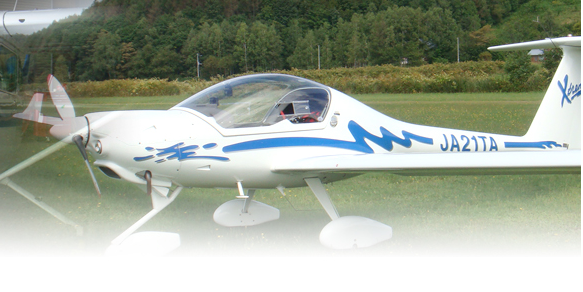
Founded in 1996, Aero Apex was established with a simple yet profound mission: to provide every pilot and passenger with a "pleasant and safe flight experience." Over the years, this commitment has only grown stronger. As the aviation industry has evolved, so has our dedication to ensuring the highest standards of service and quality. Specifically, we have placed a strong focus on importing top-quality aircraft parts and related products, ensuring that every component we provide meets the highest safety and reliability standards.
While the term "aircraft parts" may seem straightforward, it is important to recognize the complexity behind it. For example, a small four-seater airplane consists of over 12,000 individual parts, each playing a crucial role in ensuring the safety and performance of the aircraft. A single variance in tension along flight control cables can compromise control surface authority, showing why high-precision testing apparatus like cable tensiometers are absolutely essential.
The continuous innovations within the aviation industry provide daily opportunities for discovery. Each new advancement keeps our enthusiasm alive and ensures that we remain deeply engaged with the field. This passion goes beyond the aircraft themselves; it is about understanding how aviation impacts the world, connecting people, and contributing to a safer and more efficient flying experience for all.
With years of experience in the industry, we are in a unique position to offer valuable advice to our customers while simultaneously learning from them. The exchange of knowledge and insights has been mutually beneficial, helping us stay at the forefront of the industry. We truly value the relationships we have built with our customers, and believe that through these interactions, we are able to help improve and elevate the general aviation industry as a whole.
Looking ahead, we remain committed to our core philosophy: "Do what you can today, today." This motto serves as a reminder to focus on the present, to take action, and to continually strive for progress. Together with our customers, we aim to work hard toward advancing the aviation industry and improving the safety, efficiency, and overall experience of air travel.
Understanding the mechanical pathways and digital translation protocols of state-of-the-art tensiometers.
When selecting cable tensiometers, engineers must choose between two main methodologies. Both have specific trade-offs regarding speed, convenience, and absolute accuracy:
These devices utilize a three-point deflection system. The tool is placed directly onto a tensioned cable, pushing the wire over two outer anvils and against a central sensor. By calculating the force needed to deflect the cable by a pre-set angle, the tool derives the tension. **Crucial benefit:** Measurement occurs without cutting the cable.
These transducers are spliced directly into the cable run, becoming a load-bearing link in the chain. They measure actual tension via strain gauges. While offering maximum accuracy, they require cutting or decoupling the cable, making them best for permanent monitoring setups.
A newer method that calculates tension by measuring the vibration frequency of a plucked cable using high-speed optical lasers. It uses the string tension equation (Mersenne's Law) and is highly effective for thin wires, fiber optics, and delicate micro-cables.
A major challenge in shunt tension measurement is compensating for the physical properties of the cable itself. Wire ropes of identical outer diameters but different construction profiles (e.g., 7x19 flexible steel vs. 1x19 rigid strand) require different force amounts to deflect. High-end digital tensiometer manufacturers pre-calibrate their devices with material-specific curves. This allows operators to select the specific wire profile on a digital interface to automatically eliminate calibration offset errors.
| Feature / Specification | Standard Analog Tensiometers | Advanced Digital Tensiometers | Optical Frequency Meters |
|---|---|---|---|
| Accuracy Class | ±3.0% to ±5.0% FS | ±1.0% to ±2.0% FS | ±0.5% of reading |
| Measurement Range | Limited preset calibrations | Multi-profile programmable (up to 100+ profiles) | Dependent on vibration characteristics |
| Data Logging | Manual reading & transcription | Internal memory with USB / Bluetooth export | Digital export capabilities |
| Operational Speed | Slow (requires manual conversion tables) | Instantaneous (direct screen readout) | Near-instantaneous |
| Environmental Rating | Generally IP54 (mechanical dial protection) | IP65 to IP67 (sealed load cell electronics) | IP54 to IP65 |
Key criteria shaping the choices of procurement officers in aerospace, marine construction, and telecommunications.
Procurement mandates for industrial-grade tension instruments have grown increasingly strict. Buyers no longer simply look for low prices. Modern purchasing departments evaluate supply chains based on three main pillars: Traceable Accuracy, Material Adaptability, and Reliable Compliance. As structures grow in complexity, single-point calibration tools are being replaced by multi-channel systems capable of testing various cable alloys, such as carbon steel, galvanized steel, phosphor bronze, and synthetic fibers like Dyneema.
Qualified suppliers must offer comprehensive support services, including annual recalibration, replacement parts, and customized software profiles for new cable materials. A supplier's ability to provide fast, localized recalibration is key to minimizing operational downtime for buyers.
The future of tension metrology: Digital telemetry, IoT platforms, and predictive structural health monitoring.
Newer tensiometers send real-time force measurements directly to tablet apps or cloud dashboards via Bluetooth Low Energy (BLE) or cellular connections. This allows engineering teams to monitor cable tension during construction or under heavy winds from a safe distance.
Built-in AI models analyze tension shifts over time to predict when a cable is stretching, wearing down, or suffering structural fatigue. This helps operators schedule maintenance before a cable fails.
By pairing optical cameras with mechanical deflection sensors, these hybrid tools provide both visual alignment data and mechanical load readings, reducing human measurement errors.
High-quality cable tensiometers must meet strict manufacturing standards. These include AS9100D for aerospace safety, ISO 9001:2015 for manufacturing consistency, and NIST traceability. Without these certifications, measurements may hold no legal weight in safety audits or accident investigations. Procurement teams should always verify a manufacturer's calibration credentials and check for the CE mark before purchasing.
High-quality components, tools, and structures sourced and certified under Aero Apex's strict safety guidelines.

Detailed answers to common technical queries about industrial cable tensioning systems.
Shunt tensiometers operate on the principle of 3-point mechanical deflection. The cable is routed over two fixed outer anvils (or rollers) while a central load cell or mechanical plunger pushes against the cable, deflecting it by a small, fixed angle. The force required to create this deflection is measured by the tool. Because the deflection angle is known, the instrument can calculate the tension using the wire's stiffness and physical properties, eliminating the need to cut the line.
Different cable constructions (such as 1x19, 7x19, or solid wire) have varying levels of flexural stiffness. A 1x19 structural wire is much stiffer and harder to deflect than a flexible 7x19 aircraft control cable of the same diameter. Because a stiffer cable requires more force to deflect, a tensiometer must be calibrated with specific material curves to avoid reading errors. Using a tool calibrated for a 7x19 cable on a 1x19 cable will yield incorrect results.
Most industry standards (including FAA, ISO 9001, and military specifications) require tensiometers to be calibrated at least once every 12 months. In harsh environments, such as marine rigging or mining, calibration is recommended every 6 months or after any major impact, drop, or overload event. Regular calibration ensures the load cell sensor remains accurate and compliant.
Yes, but only if the device has separate calibration curves for each material. Synthetic fibers like Kevlar, Polyester, and Dyneema act differently under load compared to steel. They compress more and have a lower modulus of elasticity, which changes how they bend. Digital tensiometers must be programmed with specific curves for these synthetic materials to ensure accurate readings.
Static tension refers to the load on a stationary cable, such as a guy wire or bridge hanger. Dynamic tension is the variable load on a moving cable, such as a crane winch, elevator hoist, or tow line. Static measurements are typically taken with handheld shunt meters. Measuring dynamic tension requires running line tensiometers (RLTs), which use rotating rollers and continuous data transmission to track changes in real time.
Temperature changes cause metals to expand or contract, which alters the physical tension of the cable itself. Additionally, the sensors inside electronic tensiometers (strain gauges) can drift slightly in extreme hot or cold temperatures. Modern digital tensiometers include internal temperature sensors to automatically adjust the readings and maintain accuracy.
NIST-traceable calibration means that a tool's accuracy has been verified against standards maintained by the National Institute of Standards and Technology (NIST). This certification is crucial for safety-critical industries like aerospace, military, and civil engineering. It ensures that the tension measurements meet strict regulatory standards and are legally defensible in case of a system failure.
For field operations, look for an IP65 or IP67 ingress protection rating to shield the electronics from water and dust. The housing should be made of durable materials like hard-anodized aerospace-grade aluminum. Additionally, a backlit digital display, a long-lasting rechargeable battery, and built-in Bluetooth for logging data on the go are highly recommended for remote sites.
 Aero Apex