✈ Aviation Ground Support Sourcing Whitepaper
An evidence-led buying guide for aviation procurement teams evaluating ride-on, walk-behind, battery-powered, and dust-controlled hangar floor sweepers across global MRO, FBO, military, helicopter, UAV, and flight-training environments.
🛠 Adjacent hangar equipment shortlist
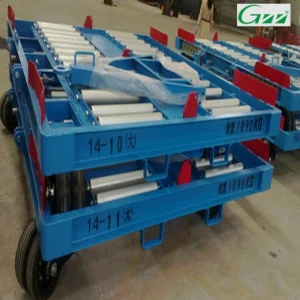
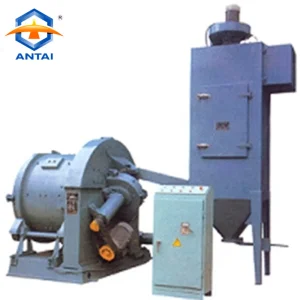
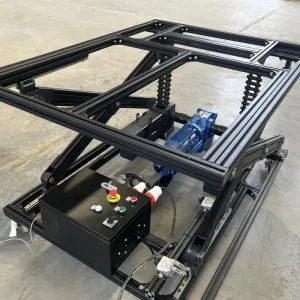
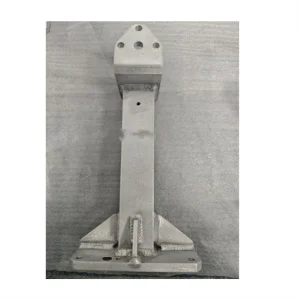
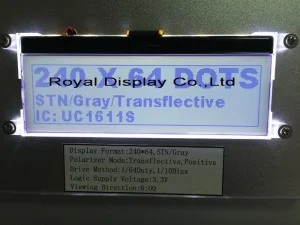
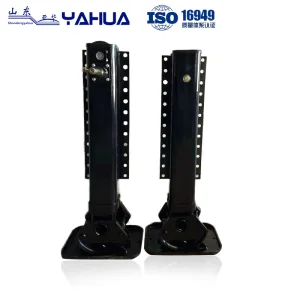
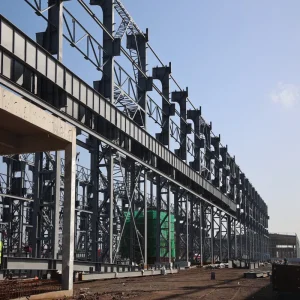
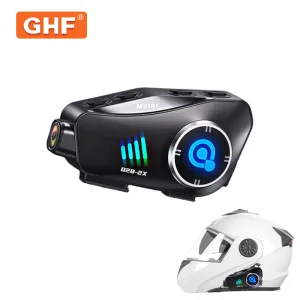
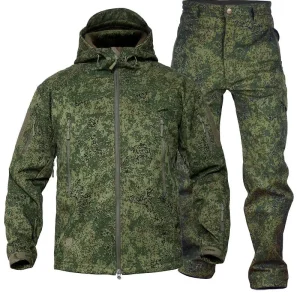
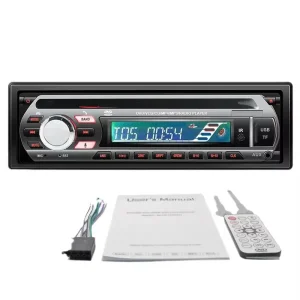
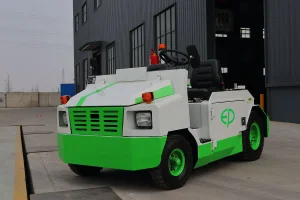
Hangar floor sweepers are rarely purchased in isolation. They sit beside pallet dollies, hangar storage systems, airport tugs, aviation structural components, industrial displays, and other ground support assets. The first eight supplied products below preserve the original images and URLs and help buyers understand the wider operational ecosystem surrounding hangar cleaning and aircraft ground support.
Executive perspective
A hangar floor sweeper is an aviation safety and facility-maintenance asset, not a generic warehouse cleaning machine. The correct choice depends on floor area, aircraft clearance, dust load, FOD risk, battery strategy, operator training, service response, and the standards used by the local civil aviation or military authority.
In semantic search, the phrase “top best hangar floor sweepers manufacturers and suppliers” carries mixed intent. Some buyers are learning what a hangar sweeper is; others are comparing battery runtime, filtration, sweep width, turning radius, spare parts, and local service coverage. A credible supplier page must satisfy both informational and commercial-investigation intent. It cannot rely only on superlatives. It must explain trade-offs, define test methods, show the evidence a buyer should request, and separate an airport-grade cleaning requirement from an ordinary industrial janitorial task.
For aircraft hangars, fine dust, metallic particles, paint residue, rubber deposits, de-icing contamination, packaging debris, and foreign object debris can all affect maintenance quality and safety. A sweeper that performs well in a logistics warehouse may still fail in a hangar if it lifts too much airborne dust, cannot maneuver around wings and tooling, or lacks reliable local support. That is why experienced procurement teams score a machine against the actual hangar mission rather than the label “best” on a product page.
Global commercial state
Airport expansion, MRO capacity growth, FBO competition, military depot modernization, and stricter indoor-air-quality expectations are increasing demand for specialized hangar cleaning equipment.
Globally, hangar floor sweeping sits at the intersection of aviation safety, facility management, and industrial cleaning. Commercial MRO providers are expanding wide-body and engine-shop capacity; FBO networks are investing in premium passenger experience and faster turnarounds; military and government depots require robust, repairable equipment; and flight schools need affordable machines that remain safe in high-traffic training environments. In emerging aviation markets, new hangars are often built with cleaning equipment specified before the facility becomes fully operational, making early procurement planning essential.
The product landscape ranges from compact walk-behind sweepers for constrained spaces to ride-on machines for large open-span hangars. Battery-electric designs are increasingly favored indoors because they eliminate exhaust emissions, reduce noise, and simplify operation around aircraft and maintenance crews. However, battery chemistry, charger placement, fire-risk management, and duty-cycle planning must be reviewed carefully. LPG and diesel machines may still appear in some industrial or remote locations, but indoor aviation environments usually require a stronger justification for combustion equipment.
Buyers should also understand that “hangar floor sweeper” is not a single standardized product category. Some suppliers position industrial ride-on sweepers for hangar use; others configure scrubber-sweepers, vacuum-assisted sweepers, or specialized FOD-control machines. The correct approach is to define the cleaning task first: dust, debris size, oil and grease, floor finish, aisle width, aircraft clearance, shift length, waste capacity, and discharge height. Only then should the buyer compare manufacturers and suppliers.
Hangar cleaning affects FOD control, maintenance quality, and aircraft protection. The machine must be evaluated as part of the safety management system, not as a janitorial afterthought.
Battery-powered sweepers are gaining ground because they support indoor air quality, low noise, and flexible deployment. Charging infrastructure and battery documentation are now core procurement issues.
Global buyers increasingly weigh local spare-parts availability, technician training, warranty response, and remote diagnostics alongside the initial purchase price.
Factory efficiency
China remains a major manufacturing base for cleaning machinery, batteries, filters, motors, sheet-metal fabrication, electronics, and ground support equipment. The advantage is not simply lower cost; it is the ability to iterate, customize, and scale when the buyer manages quality properly.
Many Chinese factories benefit from mature supplier clusters, modular production platforms, rapid tooling, flexible electronics integration, and export logistics experience. For hangar floor sweepers, this can translate into practical advantages: customized voltage and frequency, multilingual control panels, region-specific charger plugs, adjustable sweep widths, alternative filtration packages, and faster sample development. Suppliers accustomed to export markets are often able to prepare bills of material, spare-parts lists, packing documentation, and pre-shipment inspection records in a buyer-friendly format.
However, China factory efficiency should never be treated as an automatic guarantee of aviation-grade quality. Procurement teams must verify the factory’s actual process control, incoming component inspection, battery sourcing, welding quality, wiring standards, software version control, and final test procedure. A supplier that can produce a high volume of general industrial sweepers may still need clear configuration control before serving an aircraft hangar. The safest approach is a staged validation: document the operating profile, request a sample or video sweep test, audit the factory, confirm spare parts, review compliance documents, and define warranty remedies before placing a fleet order.
Localized applications
Different aviation facilities create different cleaning profiles. A single specification rarely fits every hangar, even when the floor area looks similar on paper.
Large open-span floors, long shifts, tooling zones, and aircraft clearance make sweep width, turning radius, dust containment, and battery runtime critical. Buyers should test navigation around landing gear, maintenance stands, and tow bars.
FBOs often prioritize quiet operation, clean appearance, maneuverability, and quick response to passenger-area debris. Machines must support premium facility standards without disrupting aircraft movements.
Procurement may emphasize rugged construction, spare-parts depth, maintenance documentation, security of supply, operator training, and long-term fleet commonality across multiple bases.
Helicopter hangars and UAV support areas may face dust, grass debris, fuel residue, and compact storage. Smaller sweepers with strong filtration and easy emptying can be more practical than large ride-on units.
Training organizations need safe, repeatable cleaning with low operator complexity. Service access, training material, and predictable maintenance costs often matter as much as advanced features.
Where solvents, coatings, or explosive atmospheres may be present, a standard sweeper must not be assumed suitable. Specialist ratings, local fire-code review, and engineering approval are required.
Global procurement demand
Procurement teams are moving from “lowest price per unit” to “lowest risk across the lifecycle.” The checklist below reflects the questions that should be answered before a hangar floor sweeper is approved for use.
Map floor area, aisle width, door clearance, aircraft zones, charging location, and waste discharge routes before comparing sweepers.
Request a sweep test using representative debris. Confirm filtration, dust suppression, brush performance, and hopper sealing under realistic conditions.
For lithium systems, request battery test summaries, charger specifications, thermal safety information, and transport documentation where applicable.
Verify local technician capability, response time, consumables availability, and recommended spare-parts stock for brushes, filters, belts, and batteries.
Depending on the destination, review electrical safety, battery standards, EMC documentation, CE or UKCA marking, and local aviation-facility requirements.
Training should cover pre-use inspection, charging, debris handling, emergency response, daily cleaning, and safe behavior around aircraft and maintenance crews.
Compare purchase price with energy consumption, consumables, downtime, labor, spare parts, battery replacement, training, and expected service life.
Use a trial period with defined acceptance criteria. A machine that performs well in a demonstration may reveal layout or duty-cycle issues after full integration.
Industry trends
The hangar floor sweeper category is converging with electric vehicles, connected equipment, indoor air-quality systems, and digital maintenance management.
Opportunity charging, lithium iron phosphate systems, swappable batteries, and smarter energy management are making electric sweepers more practical for multi-shift hangar operations.
Robotic and semi-autonomous sweeping is advancing, but aviation environments require conservative obstacle handling, geofencing, and safe behavior around aircraft and personnel.
Fleet managers increasingly want usage data, battery health, error logs, service reminders, and performance dashboards to reduce unplanned downtime.
Suppliers are developing quick-change brushes, side brooms, filtration options, and scrubbing modules so one platform can serve different hangar zones.
Low dust emissions, recyclable components, noise reduction, and measurable energy efficiency are becoming part of tender scoring and corporate sustainability reporting.
Global buyers are balancing China manufacturing efficiency with regional warehouses, dual sourcing, local spare-parts hubs, and contractual continuity plans.
E-E-A-T and semantic search
For a commercial-investigation query, information gain means answering the questions a serious buyer would ask after reading a basic supplier list.
From a semantic-search and user-intent perspective, “top best hangar floor sweepers manufacturers and suppliers” combines commercial investigation with transactional intent. The searcher may want a shortlist, a comparison of specifications, evidence of aviation experience, a path to request a quotation, or guidance on how to avoid a costly specification error. A page that repeats “top” and “best” without explaining the operating context provides little information gain. A stronger resource defines the application, identifies the decision criteria, compares power options, explains procurement risks, and gives buyers a practical validation process.
Google’s Search Quality Rater Guidelines emphasize experience, expertise, authoritativeness, and trust for pages that could influence purchasing or safety decisions. For hangar floor sweepers, that means supplier content should be transparent about who is providing the advice, what evidence supports the claims, how the equipment is tested, where service is available, and what limitations apply. Unsupported superlatives are weaker than a clear factory-audit checklist, a sample sweep-test protocol, a spare-parts policy, and a lifecycle cost model.
Look for real hangar use cases, commissioning notes, operator feedback, and documented cleaning trials rather than generic industrial references only.
The supplier should understand filtration, battery safety, FOD control, floor surfaces, aviation operations, and the maintenance constraints of the target facility.
Authority comes from verifiable factory capability, quality systems, export experience, service partners, certifications, and transparent company information.
Trust improves when warranty terms, exclusions, lead times, spare-parts commitments, and dispute-resolution processes are written clearly before purchase.
Company expertise
Aviation sourcing experience matters because hangar cleaning decisions sit inside a broader safety, maintenance, and procurement system.
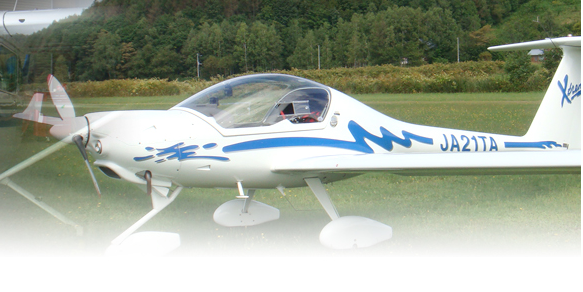
Founded in 1996, Aero Apex was established with a simple yet profound mission: to provide every pilot and passenger with a "pleasant and safe flight experience." Over the years, this commitment has only grown stronger, and as the aviation industry has evolved, so has our dedication to ensuring the highest standards of service and quality. Specifically, we have placed a strong focus on importing top-quality aircraft parts and related products, ensuring that every component we provide meets the highest safety and reliability standards.
While the term "aircraft parts" may seem straightforward, it is important to recognize the complexity behind it. For example, a small four-seater airplane consists of over 12,000 individual parts, each playing a crucial role in ensuring the safety and performance of the aircraft.
The continuous innovations within the aviation industry provide daily opportunities for discovery. Each new advancement keeps our enthusiasm alive and ensures that we remain deeply engaged with the field. This passion goes beyond the aircraft themselves; it is about understanding how aviation impacts the world, connecting people, and contributing to a safer and more efficient flying experience for all.
With years of experience in the industry, we are in a unique position to offer valuable advice to our customers while simultaneously learning from them. The exchange of knowledge and insights has been mutually beneficial, helping us stay at the forefront of the industry. We truly value the relationships we have built with our customers, and believe that through these interactions, we are able to help improve and elevate the general aviation industry as a whole.
Looking ahead, we remain committed to our core philosophy: "Do what you can today, today." This motto serves as a reminder to focus on the present, to take action, and to continually strive for progress. Together with our customers, we aim to work hard toward advancing the aviation industry and improving the safety, efficiency, and overall experience of air travel.
FAQ
These answers help procurement teams compare manufacturers, suppliers, technical claims, and localized service requirements with greater confidence.
A hangar floor sweeper is a cleaning machine designed or configured to remove dust, debris, packaging fragments, rubber particles, and other foreign object debris from aircraft hangar floors. It may be a walk-behind or ride-on design, often battery-powered, with filtration and hopper systems suited to indoor aviation environments.
Warehouse sweepers often prioritize large open floors and general debris. Hangar sweepers must also consider aircraft clearance, FOD control, dust containment, maintenance crew safety, charging location, noise, and local aviation-facility procedures. A generic industrial sweeper may work, but only after a documented application review.
Battery-electric sweepers are often preferred indoors because they have no exhaust emissions and lower noise. However, the best choice depends on shift length, charging infrastructure, battery safety requirements, floor area, local codes, and service support. Combustion equipment may require additional engineering justification and ventilation review.
Test with representative debris and floor conditions. Measure dust release, debris pick-up, turning radius, braking, visibility, noise, hopper emptying, and operator comfort. Confirm the machine can safely operate around aircraft, tooling, maintenance stands, and charging areas without disrupting normal hangar activity.
Request product specifications, test reports, electrical and battery documentation, warranty terms, spare-parts lists, maintenance schedules, operator manuals, packaging details, and applicable compliance declarations. For cross-border shipments, confirm Incoterms, lead times, and after-sales responsibilities in writing.
Many Chinese factories offer strong customization, competitive cost, and mature export capabilities. The key is verification. Audit the factory, validate component quality, review battery and electrical safety, test a sample configuration, confirm spare-parts availability, and define acceptance criteria before scaling the order.
Include purchase price, freight, duties, commissioning, training, energy, charger installation, filters, brushes, belts, battery replacement, labor, downtime, spare-parts inventory, and warranty administration. A lower purchase price can be poor value if local service is slow or consumables are difficult to source.
Look beyond “best” claims. A strong supplier provides evidence: application knowledge, factory capability, reference projects, test data, compliance documents, service coverage, transparent pricing, and a clear warranty process. The top supplier for one hangar may not be the top supplier for another because local support and operating profile differ significantly.
🛠 Final supplier ecosystem shortlist
The final eight supplied products preserve the original product URLs and images. They reflect the wider aviation, ground support, industrial, and hangar-related product ecosystem that procurement teams often evaluate alongside floor cleaning and facility-maintenance investments.
 Aero Apex