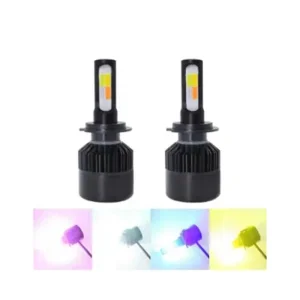
Pre-engineered components designed for general aviation repair and airport operations within Antigua and Barbuda’s international network.
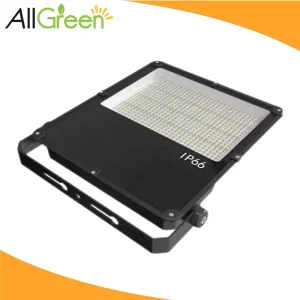
An analysis of regional operational hazards, local airport profiles, and the environmental factors shaping aviation engineering standards.
Antigua and Barbuda operates as a vital aviation crossroad for the Eastern Caribbean. V.C. Bird International Airport (ANU) in Antigua serves as a critical passenger and cargo hub connecting North America and Europe to smaller islands throughout the Leeward and Windward chains. Furthermore, the development of the new Codrington Airport in Barbuda highlights the expanding regional aviation network designed to accommodate commercial and private jet configurations, including ATR-72, Dash-8, and business jets like Gulfstreams and Bombadiers.
In these regional environments, aviation safety relies heavily on infrastructure capability. High-performance runway, tarmac, and exterior lighting systems are crucial for safe night landings, taxi navigation, and maintenance procedures under high-humidity conditions. Commercial operations and private charters depend on consistent equipment performance to minimize downtime in a region where backup parts must often travel long distances.
Airports located on small Caribbean islands face a constant onslaught of salty air, extreme solar radiation (UV degradation), and cyclic humidity. These conditions correspond directly to the ISO 12944 C5-M (Marine) corrosion category, the most severe category for metal and electronic degradation. Unprotected aluminum components pit, and non-hermetically sealed electrical junctions oxidize rapidly, leading to electrical opens, shorts, and premature system failures.
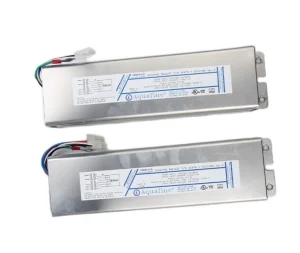
Our aircraft exterior lighting systems and floodlight housings utilize premium aircraft-grade aluminum alloy (6061-T6 / 7075) treated with advanced anti-corrosion processes. These include chromate conversion coatings, anodization, and specialized marine-grade powder-coat finishes. To prevent salt fog and moisture ingress, critical driver electronics (such as the electronic ballasts for exterior lights) are fully encapsulated in high-grade thermally conductive epoxy resins, ensuring they survive humidity cycles and torrential tropical downpours.
Lighting systems must fulfill three main purposes in the Antigua and Barbuda aviation ecosystem:
Founded in 1996, Aero Apex was established with a simple yet profound mission: to provide every pilot and passenger with a "pleasant and safe flight experience." Over the years, this commitment has only grown stronger, and as the aviation industry has evolved, so has our dedication to ensuring the highest standards of service and quality. Specifically, we have placed a strong focus on importing top-quality aircraft parts and related products, ensuring that every component we provide meets the highest safety and reliability standards.
While the term "aircraft parts" may seem straightforward, it is important to recognize the complexity behind it. For example, a small four-seater airplane consists of over 12,000 individual parts, each playing a crucial role in ensuring the safety and performance of the aircraft.
The continuous innovations within the aviation industry provide daily opportunities for discovery. Each new advancement keeps our enthusiasm alive and ensures that we remain deeply engaged with the field. This passion goes beyond the aircraft themselves; it is about understanding how aviation impacts the world, connecting people, and contributing to a safer and more efficient flying experience for all.
With years of experience in the industry, we are in a unique position to offer valuable advice to our customers while simultaneously learning from them. The exchange of knowledge and insights has been mutually beneficial, helping us stay at the forefront of the industry. We truly value the relationships we have built with our customers, and believe that through these interactions, we are able to help improve and elevate the general aviation industry as a whole.
Looking ahead, we remain committed to our core philosophy: "Do what you can today, today." This motto serves as a reminder to focus on the present, to take action, and to continually strive for progress. Together with our customers, we aim to work hard toward advancing the aviation industry and improving the safety, efficiency, and overall experience of air travel.
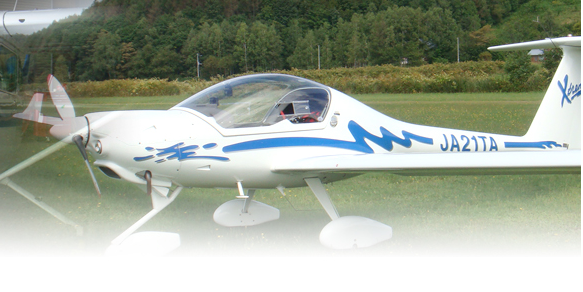
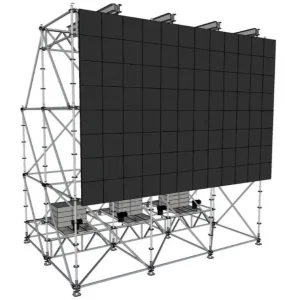
Multi-purpose heavy equipment, support structures, and industrial lighting solutions certified for ground service equipment (GSE) and maintenance hangars.
A deep dive into parameters, certifications, and our technical transition toward intelligent aviation systems.
Aerospace illumination systems must meet strict requirements for luminous efficacy, power factor, thermal management, and color rendering. The table below lists the technical parameters for the exterior systems and airfield floodlights that we export to Antigua and Barbuda.
| Parameter / Feature | Specification Details | Compliance Standard |
|---|---|---|
| Luminous Efficacy | ≥ 130 lm/W to 160 lm/W (Option-dependent) | FAA AC 150/5345-50B |
| Operating Voltage Range | 90V - 305V AC / 12V - 24V DC | ICAO Annex 14 Vol I |
| Ingress Protection Rating | IP67 / IP68 (Dual O-ring sealed) | IEC 60529 |
| Operating Temperature | -40°C to +55°C (Perfect for high heat climates) | MIL-STD-810H |
| Transient Surge Protection | 10kV (L-N) / 20kV (L-GND) | IEEE C62.41.2 |
| Electromagnetic Compatibility | FCC Part 15 / CISPR 25 Class 3 | RTCA/DO-160G Section 21 |
The aviation lighting industry is shifting away from traditional halogen and Xenon gas-discharge bulbs toward Solid-State LED technology. This change is driven by the need for higher energy efficiency, reduced maintenance, and improved visibility.
At Aero Apex, we are leading this transition. Modern aircraft rely on precise color representation and quick turn-on times for safety and strobe indicators. LEDs operate cooler, consume up to 60% less electrical power, and run for over 50,000 operational hours, compared to just 1,000 hours for standard halogen bulbs. This significantly reduces maintenance needs, which is a major advantage for regional airports in Antigua and Barbuda that have limited local access to spare parts.
Our upcoming product line features smart controls. By integrating digital control protocols (DALI and wireless telemetry), airport operators can monitor real-time power consumption, verify fixture health, and dynamically adjust light levels from a centralized tower dashboard. This improves runway operations during sudden fog or heavy tropical storms.
How our manufacturing infrastructure ensures reliable delivery and consistent quality for Caribbean aviation operators.
Working with a specialized aviation exporter in China offers significant supply chain advantages. Our factories leverage advanced production lines and local material access to keep manufacturing times short, while maintaining strict quality control. Aero Apex manages the entire process—from drawing raw materials like aluminum and silicon to assembling PCB boards and performing final quality checks.
Every aviation exterior component and ballast undergoes rigorous testing in environments designed to mimic tropical conditions. We perform salt spray exposure tests (ASTM B117), thermal vibration cycling, and ingress protection checks to verify that every item meets FAA, EASA, and ICAO requirements before leaving the factory. This guarantees that your parts will install and operate reliably from day one.
For buyers in Antigua and Barbuda, our logistics network provides reliable air and ocean freight shipping to Antigua's deepwater ports. We prepare all necessary customs paperwork and certificates of conformity to prevent shipping delays, keeping your airport construction projects and scheduled maintenance tasks on track.
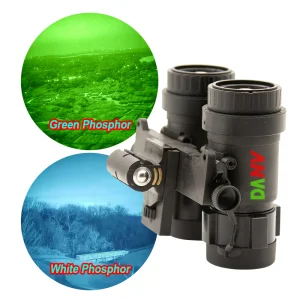
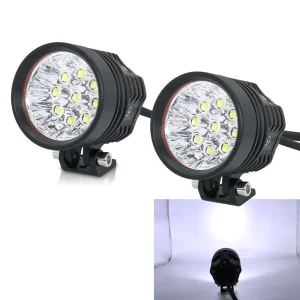
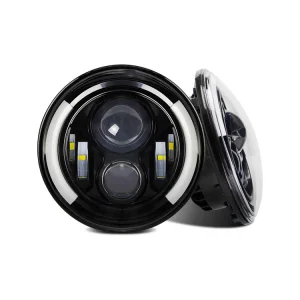
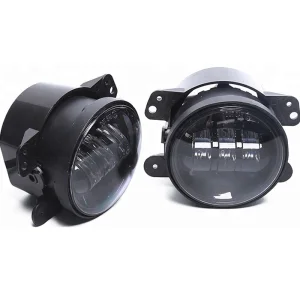
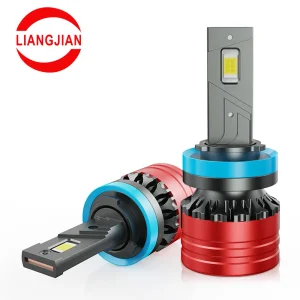
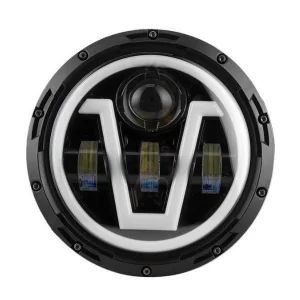
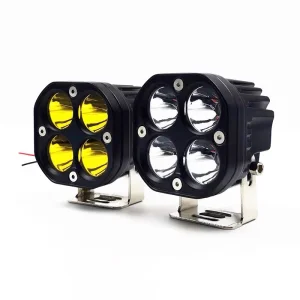
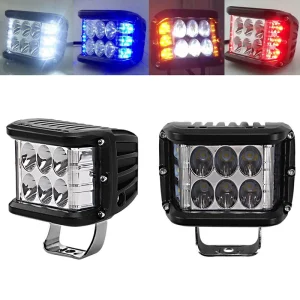
High-durability LED headlights, work lamps, fog lights, and pilot night vision equipment designed for airfield support operations.

Best practices for maintaining compliant aviation lighting installations in high-salinity maritime regions.
Galvanic corrosion occurs when two different metals (such as steel and aluminum) touch in the presence of an electrolyte like saltwater. This chemical reaction breaks down structural mounts quickly. To prevent this, maintenance teams at VC Bird International Airport should use non-conductive washers (like Teflon or neoprene) to separate aluminum housings from steel mounting brackets.
Additionally, applying anti-seize gel to all stainless-steel fasteners makes future maintenance easier and keeps seals intact. Regularly spraying fixtures with fresh water during cleaning cycles also removes salt residue, helping to extend the lifespan of the equipment.
Caribbean airports often experience power fluctuations due to grid stability issues and lightning strikes during storm seasons. These surges can damage sensitive LED electronics. We recommend installing external 20kV surge protection devices (SPDs) in distribution panels to safeguard your airfield lighting systems.
Using high-quality electronic ballast rectifiers also helps manage voltage swings, ensuring consistent light output and preventing flicker during flight operations.
Expert technical answers regarding compliance, material testing, shipping, and product applications for buyers in Antigua and Barbuda.
Our fixtures are built using anodized aircraft-grade aluminum and feature dual silicone gaskets, giving them an IP67/IP68 rating. This design prevents salt spray and moisture from penetrating the housing, making them ideal for coastal environments.
Yes. All our exterior lights, ballasts, and airfield lamps comply with ICAO Annex 14, FAA Advisory Circular guidelines, and EASA standards. Conformance documents are provided with every shipment.
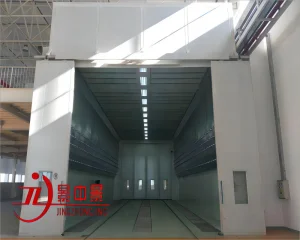
Standard components usually ship within 15 to 20 days. Custom builds, such as specific paint spray booths or large structural trusses, require 30 to 40 days for fabrication and pre-shipment quality testing.
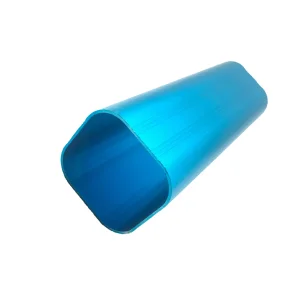
Yes. Our engineering team can modify brackets and aluminum profile systems to match your existing structures, reducing the need for costly field modifications during installation.
Get in touch with our engineering team for technical layouts, certified test data, and competitive pricing on your next project.
Send Inquiry Now Aero Apex