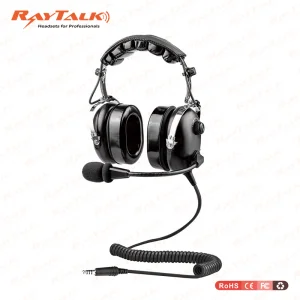
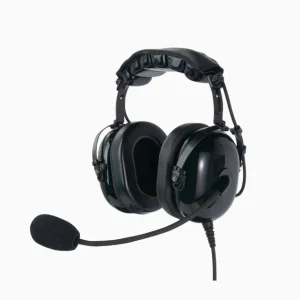
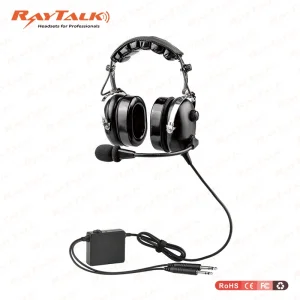
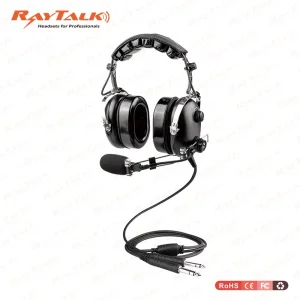
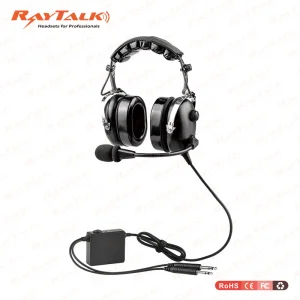
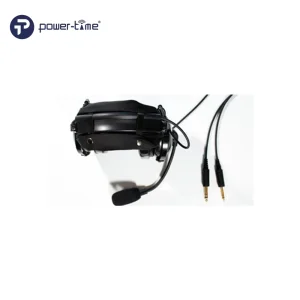
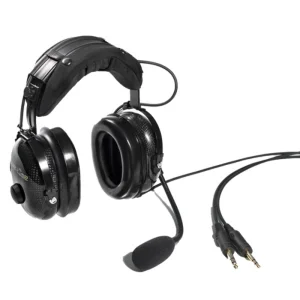
Aviation procurement in Novosibirsk starts with operational fit, not a catalog headline. A headset that performs well in a quiet demo room may fail in a cold preflight, a noisy turboprop cabin, a helicopter sling-load operation, or a mixed fleet with several plug standards. The four configurations below are selected to shorten the first evaluation loop: one general-purpose wired headset, one ANR headset with electret microphone, one wireless noise-cancelling option with NATO/Nexus plugs, and one helicopter-specific noise-cancelling model. Use them as pilot-trial candidates, then compare connector mapping, passive attenuation, microphone clarity, hygiene strategy, and spare-part availability before scaling.

Factory Wholesale Wired Earphone with Mic Over-Ear Aviation Headset 3.5mm Headband Headphone
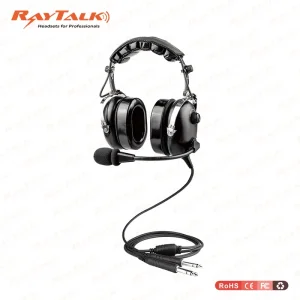
Noise Cancelling Headband Style Aviation Anr Headset with Electret Microphone
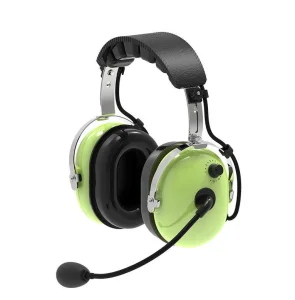
Wireless Nrr Noise Cancelling Aviation Headset Headphone with Nato Nexus Plugs
A headset is only as reliable as its cable, plug, microphone, ear seal, power strategy, and documentation. These signals frame the buying problem for Novosibirsk operators, distributors, and maintenance teams.
Novosibirsk is one of Russia’s most significant scientific, industrial, and transport centers east of the Urals. It is also a practical gateway to Siberian operations where aircraft and helicopters support energy, utilities, forestry, emergency response, training, and regional mobility. For buyers in this environment, “aviation headset supplier” is not a generic search phrase. It is usually a shortcut for a more technical set of questions: Which headset works with our aircraft plugs? How much passive attenuation is available before ANR? Does the microphone reject cockpit noise? Can the cable remain flexible in deep cold? Are ear seals and PTT assemblies available as spares? Can the factory provide traceability and a repeatable supply path?
Google-style semantic search rewards pages that answer those underlying intents, not pages that repeat a keyword. This page is therefore structured as a technical buying resource for Novosibirsk operators. It connects local operational context to product configurations, technical roadmap, macro solutions, localized support, compliance documentation, Factory 4.0 supply resilience, global procurement requirements, and a practical deployment blueprint.
Buyers compare battery access, ANR stability, microphone boom tension, ear-seal replacement, and whether the plug can be reused without reterminating the aircraft side.
GA twin plugs, 6.3mm connectors, TP-120, NATO/Nexus, U94 PTT, and auxiliary listen-only interfaces may coexist in one organization.
High noise attenuation, helmet/earcup fit, downlead durability, PTT ergonomics, and intelligibility matter more than consumer-style feature lists.
Flight schools and shared-fleet operators need replaceable ear seals, wind muffs, head pads, cables, and microphone elements to keep utilization high.
Novosibirsk has a continental climate with long winters and significant temperature swings. In practical procurement terms, cold affects more than battery life. Cable jackets can stiffen; ear-cushion foam can lose compliance; plastic housings can become more brittle; and condensation can form when a cold headset enters a warm cockpit. Buyers should request material specifications, storage guidance, and a pilot-trial protocol that includes cold-soak and re-warm cycles. Our headset options can be specified with cold-flex cable constructions, replaceable ear seals, and modular cable assemblies so that a damaged section does not automatically retire an entire headset.
Noise profile is equally important. Piston and turboprop aircraft, helicopters, ground power units, and maintenance hangars produce different spectra. ANR is most valuable when passive attenuation already fits the ear correctly and the microphone is positioned for speech clarity. For helicopter operations, passive attenuation and helmet/earcup fit often matter more than the marketing label “noise cancelling.” For flight schools, durability, hygiene, and simple spares may matter more than wireless features. For regional carriers, standardizing connectors and cable labeling can reduce dispatch friction across a mixed fleet.
Tolmachevo airport and the surrounding aviation service ecosystem create recurring demand for communication hardware, repair/overhaul support, and consumables. The city’s research and engineering base, including Akademgorodok and technical universities, supports a specification-driven evaluation culture. That is favorable for suppliers able to provide test data, connector drawings, material declarations, and clear model comparisons.
Buyers in Novosibirsk often need to coordinate technical approval, import documentation, local customs brokers, maintenance organizations, and end users. A supplier that can answer only price and picture questions creates delays. A supplier that can supply a connector map, spare-parts list, HS code suggestion, packing list, traceability record, and pilot-trial checklist becomes part of the solution.
For Novosibirsk operators, the technology roadmap should be read as a procurement filter. Features are useful only when they improve intelligibility, reliability, hygiene, connector compatibility, and supply continuity without creating unapproved operational dependencies.
Dynamic and electret microphones, passive noise attenuation, active noise reduction, GA twin plugs, 6.3mm connectors, TP-120, NATO/Nexus, U94 PTT, and listen-only auxiliary configurations remain the baseline for mixed fleets. The priority is consistent acoustic performance and serviceable cables.
Bluetooth, USB-C charging, dual-source audio, and non-critical audio integration are expanding in training, ground support, and ancillary roles. Safety-critical air-to-ground communication should remain separated unless the operator’s approval path explicitly permits integration.
Headset identification, maintenance logging, acoustic-health checks, and modular replacement strategies can support planning. Such diagnostics may assist maintenance decisions, but they do not replace approved airworthiness determinations or manufacturer instructions.
Future systems will prioritize speech intelligibility under dynamic noise, lower latency, lighter materials, repairable structures, and recyclable components. For Novosibirsk, cold-flex materials and connector standardization will remain as important as new digital features.
Different Novosibirsk organizations buy headsets for different reasons. Matching the configuration to the mission is more valuable than forcing every team into a single model.
Prioritize durability, student hygiene, easy ear-seal replacement, and clear instructor-student communication. Modular cables and low-cost spare kits reduce downtime in high-cycle training fleets.
Standardize connector types, cable labelling, and headset categories across aircraft types. ANR options should be evaluated against passive attenuation and microphone clarity, not only noise-cancellation claims.
High-noise environments demand secure ear fit, robust downleads, reliable PTT switches, and compatibility with helmets and intercom systems. Spare parts should be planned before the operating season begins.
Incoming inspection benefits from connector drawings, batch records, microphone test data, and clear model naming. Standardized spares reduce troubleshooting time and repeated purchases.
Ground crews, maintenance hangars, and industrial aviation departments may need listen-only headsets, U94 PTT compatibility, ruggedized cables, and simple controls for noisy apron environments.
Custom cable assemblies, connector changes, logo programs, packaging, and documentation controls allow distributors and integrators to serve Novosibirsk customers with a repeatable product configuration.
After the first four pilot-trial candidates, these four configurations expand the matrix for lightweight dynamic-microphone users, listen-only auxiliary roles, Cessna-style training fleets, and GA plug standards.
Localized support in Novosibirsk does not mean a warehouse on every street. It means shortening the distance between a technical question and a documented answer. For a flight school, that can be a connector verification before a bulk order. For a helicopter operator, it can be a spare ear-seal kit and PTT cable plan. For an MRO, it can be a batch record and microphone test result that helps with incoming inspection.
Commercial invoice, packing list, model/configuration description, spare-parts list, material declarations where applicable, and traceability records to support local import and maintenance review.
Clear mapping for GA twin plugs, 6.3mm, TP-120, NATO/Nexus, U94 PTT, 3.5mm, and auxiliary listen-only interfaces. Cable labelling and colour-coding can be specified for mixed fleets.
Specify cold-flex cables, replaceable ear seals, and storage guidance. Validate performance through a documented pilot trial in realistic Novosibirsk winter conditions.
Ear seals, microphone covers, wind muffs, head pads, cables, PTT assemblies, and connectors can be planned as a replenishment kit to reduce fleet downtime.
Regulatory responsibility remains with the operator and approved maintenance organization. Our role is to provide consistent manufacturer documentation, configuration control, and traceability so that local specialists can make informed approval and import decisions. We do not replace Russian airworthiness approvals; we help reduce uncertainty in the procurement chain that surrounds them.
| Interface / Use Case | Flight Training | Regional Airline | Helicopter / EMS | Ground Crew |
|---|---|---|---|---|
| GA twin plug | ● Primary | ● Common | ○ Optional | ○ Rare |
| TP-120 4-pin | ○ Optional | ● Fleet-specific | ● Frequently evaluated | ○ Limited |
| NATO / Nexus | ○ Limited | ○ Optional | ● High relevance | ○ Optional |
| U94 PTT | ○ Limited | ○ Ground-link roles | ● Ground/crew roles | ● Common |
| 3.5mm / 6.3mm | ● Training/aux | ○ Aux only | ○ Aux only | ● Common |
| Aux listen-only | ● Briefing/observer | ● Observer | ● Observer/ground | ● High relevance |
Factory 4.0 is not a marketing label for machines alone. For a procurement team in Novosibirsk, it means controlled processes, faster engineering feedback, and resilience when a connector changes or a cable assembly must be customized.
A controlled Factory 4.0 flow begins with a structured RFQ: aircraft type, plug standard, mission noise profile, quantity, expected pilot-trial date, documentation requirements, and spare-parts plan. Engineering then converts those inputs into a configuration record so that the sample, pilot batch, and production batch remain aligned. This is especially important when a Novosibirsk customer needs GA plugs for a training fleet, TP-120 for another aircraft type, and U94 PTT for ground teams within the same program.
Incoming quality control checks speakers, microphones, ANR boards, cables, connectors, and ear-cushion materials before assembly. Modular work cells support mixed-model production, allowing a small flight-school trial and a larger airline rollout to share the same quality gates. Final acoustic and electrical testing verifies microphone sensitivity, earphone output, ANR function where applicable, PTT continuity, plug polarity, and cable strain relief. Batch records and configuration labels make later replenishment easier.
Drawings, connector photos, pinouts, and aircraft interface notes are reviewed before quotation to reduce sample iterations.
Critical parts such as microphone elements, speakers, cables, and plugs are checked against agreed specifications.
Flexible production supports custom cable assemblies, private-label programs, and repeat aviation configurations.
Final checks, batch records, and packaging controls create a documented path from sample approval to replenishment.
Supply-chain resilience is built through component qualification, controlled buffers where demand patterns justify them, and production sequencing that matches pilot validation and scale-up. Efficiency is not only a lower unit price. For Novosibirsk buyers, true efficiency means fewer field failures, fewer emergency air shipments, better spare-part planning, and a documented answer when a connector or cable needs revision.
Global buyers—airlines, distributors, defense-adjacent programs, flight schools, and MRO groups—typically evaluate aviation headsets through a six-part scorecard. The same scorecard applies to Novosibirsk projects, with additional attention to cold-climate performance and import documentation.
Connector pinouts, microphone type, passive attenuation, ANR behavior, weight, clamping force, and cable length must be validated against the actual mission.
Purchase price is only one input. Ear-seal life, cable repair, PTT replacement, battery strategy, hygiene kits, and shipment consolidation affect the real cost.
Batch records, model/configuration naming, packing lists, and material declarations reduce ambiguity during incoming inspection and future replenishment.
Buyers need a realistic lead-time plan, controlled change notification, and a spare-parts pathway that avoids grounding a fleet for a small component.
Logo, packaging, cable length, connector changes, and private-label documentation should be governed by approved drawings and revision control.
Long-haul shipping to Novosibirsk requires robust cartons, moisture protection, clear labels, and packing lists that match commercial and import documentation.
Founded in 1996, Aero Apex was established with a simple yet profound mission: to provide every pilot and passenger with a "pleasant and safe flight experience." Over the years, this commitment has only grown stronger, and as the aviation industry has evolved, so has our dedication to ensuring the highest standards of service and quality. Specifically, we have placed a strong focus on importing top-quality aircraft parts and related products, ensuring that every component we provide meets the highest safety and reliability standards.
While the term "aircraft parts" may seem straightforward, it is important to recognize the complexity behind it. For example, a small four-seater airplane consists of over 12,000 individual parts, each playing a crucial role in ensuring the safety and performance of the aircraft.
The continuous innovations within the aviation industry provide daily opportunities for discovery. Each new advancement keeps our enthusiasm alive and ensures that we remain deeply engaged with the field. This passion goes beyond the aircraft themselves; it is about understanding how aviation impacts the world, connecting people, and contributing to a safer and more efficient flying experience for all.
With years of experience in the industry, we are in a unique position to offer valuable advice to our customers while simultaneously learning from them. The exchange of knowledge and insights has been mutually beneficial, helping us stay at the forefront of the industry. We truly value the relationships we have built with our customers, and believe that through these interactions, we are able to help improve and elevate the general aviation industry as a whole.
Looking ahead, we remain committed to our core philosophy: "Do what you can today, today." This motto serves as a reminder to focus on the present, to take action, and to continually strive for progress. Together with our customers, we aim to work hard toward advancing the aviation industry and improving the safety, efficiency, and overall experience of air travel.
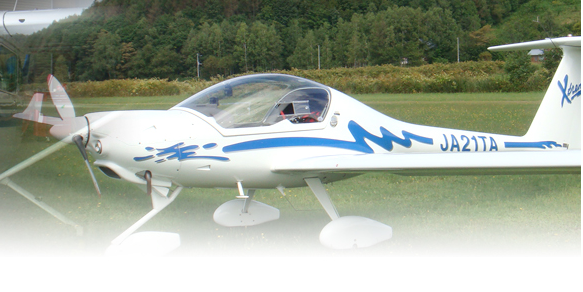
A practical rollout reduces the risk of buying the wrong plug, underestimating cold-weather effects, or running out of spares during a high-utilization season.
List aircraft types, plug standards, noise exposure, crew size, hygiene policy, and documentation requirements. Include ground crews and observer roles that may need listen-only headsets.
Test sample units in real cockpit and cold-soak conditions. Evaluate intelligibility, comfort, PTT access, cable flexibility, ANR behavior, and spare replacement.
Build a spare-parts list, label cables by aircraft and role, prepare simple training cards, and align import documentation with local customs and maintenance teams.
Approve a controlled configuration, reorder ear seals and cables before shortages appear, and review field feedback each season to adjust the model mix.
These questions reflect common technical, logistical, and compliance concerns from Novosibirsk operators, distributors, and maintenance teams.
They can be specified with cold-flex cable constructions, replaceable ear seals, and serviceable modular assemblies, but suitability must be validated in the actual aircraft, storage, and preflight conditions used by the operator. We recommend a documented pilot trial that includes cold-soak, re-warm, cable-flex, microphone, and PTT checks. Avoid relying on a generic temperature claim without testing the complete headset-and-aircraft configuration.
Available configurations across this product range include GA twin plugs, 6.3mm connectors, TP-120 4-pin plugs, NATO/Nexus plugs, 3.5mm audio, auxiliary listen-only jacks, and U94 PTT walkie-talkie configurations. For fleet standardization, send aircraft types, intercom details, pinout photos, and current headset models so a connector matrix can be prepared before ordering.
Yes. A small evaluation batch is usually the safest path for flight schools, airlines, helicopter operators, and MROs. The pilot order should include the exact plug configuration, expected noise environment, pilot and instructor feedback forms, and a spare ear-seal or cable sample so the team can evaluate serviceability as well as acoustic performance.
We can provide commercial invoices, packing lists, model/configuration descriptions, spare-parts lists, batch or traceability records, and material declarations where applicable. Import clearance, customs classification, aviation approval, and maintenance release remain the responsibility of the buyer and local approved organizations. Our objective is to give those specialists consistent manufacturer documentation so the review is faster and less ambiguous.
Passive attenuation comes from the ear cup, cushion fit, and headband clamping force. ANR adds active noise reduction electronics. In very cold, high-noise, or helmet-integrated environments, passive fit is the foundation. If the ear seal is poor, ANR performance and speech clarity will also suffer. For helicopter and high-noise operations, evaluate both passive attenuation and ANR together, not as separate marketing claims.
Private-label and configuration customization can be discussed for qualified projects. Typical variables include logo, packaging, cable length, connector type, colour coding, labels, and spare-parts kits. Customization should be controlled by approved drawings and sample confirmation so that future replenishment matches the original pilot batch.
Start with the highest-wear items: ear seals, microphone covers, wind muffs, head pads, cables, PTT switches, and plug adapters. Flight schools and shared-fleet operators should set replenishment levels based on training cycles and cleaning frequency. Helicopter operators should include downlead and PTT spares because these are exposed to heavy handling. A small spare kit per aircraft type often prevents a minor damage issue from removing a headset from service for weeks.
Use the Send Inquiry Now button and include: aircraft types, plug standards, current headset models, quantity by role, expected pilot-trial date, documentation requirements, and preferred shipping terms. If photos of the current connector or intercom panel are available, include them. A complete RFQ allows the quotation to include the correct cable configuration, spare-parts recommendation, and packaging plan rather than a generic unit price.
The following eight products complete the Novosibirsk sourcing matrix, from ANR pilot headsets and U94 PTT walkie-talkie configurations to specialized Bluetooth, motorcycle, and gaming headsets that may be relevant for industrial, simulation, training, or ancillary communication use.
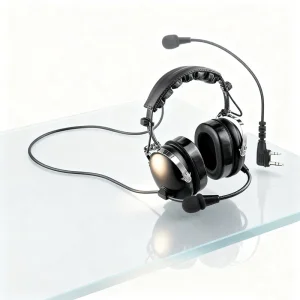
Noise Reduction Headset U94 Ptt Aviation Headset Pilot Headphone for Walkie Talkie Icom V8 V80 V82


Original Wireless Bluetooth Headphone Hi-Fi Headset for Mickey Solo3 Wirelesss Earphone
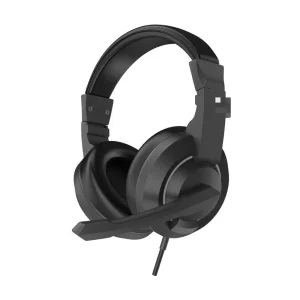
7.1 Surround Headset Noise Cancelling Microphone Wired Gaming Headphone RGB Gamer Earphone Headsets
Share aircraft types, plug standards, noise environment, quantity, pilot-trial date, and documentation needs. We will return a configuration matrix and a factory-direct quotation path.
 Aero Apex