Explore our foundational physical simulators and calibration tools designed for flight academies and aeronautical educational laboratories in Nepal.



Flight operations within Nepal demand extreme piloting precision. The region's geographical profile, characterized by deep mountain passes, unpredictable wind shear, microbursts, and rapid density altitude fluctuations, mandates rigorous training infrastructures. For pilots operating Short Take-Off and Landing (STOL) routes into high-altitude airfields like Lukla, Jomsom, and Simikot, understanding aerodynamics is not just academic; it is life-critical.
Our company designs physical and simulated flight training models that illustrate core lift, drag, and air vector characteristics. By integrating real-world physics demonstrations—such as our Bernoulli Principle simulation and Air Circulation Suspension models—aviation trainers in Kathmandu and Pokhara can simulate fluid dynamics issues before cadets step into actual flight cockpits.
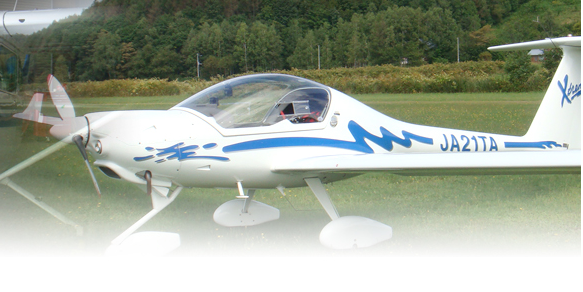
From mechanical aerodynamics to advanced multi-rotor configuration controls, we serve as the critical hardware link for modern aviation education.
Thin mountain air drastically reduces lift. Our fluid dynamics demonstrators provide physical visual representations of air density differences and flow separation, allowing trainers to visually confirm how high-altitude airflows affect wings and rotables.
Operating since 1996, Aero Apex conforms strictly to international aviation education frameworks. We export components and educational models that comply with CAA Nepal (CAAN) standards and global safety protocols.
Modern Nepal requires drone technologies for mountainous cargo logistics. We provide high-payload industrial UAS instruction aids and UAV modeling tools to prepare pilots for remote transport networks across the Himalayas.
Years in Aerospace Distribution
Certified Aircraft Parts Traced
Safety Audited Deliverables
Academic & Commercial Partnerships
Aviation training is transitioning from purely virtual software simulators to integrated physical-tactile devices. In high-altitude environments like Nepal, pilots rely heavily on mechanical muscle memory and visual fluid dynamics intuition. Software simulates calculations, but physical training aids demonstrate chaotic fluid behaviors (such as vortex generation and boundary layer separation) that pilots must adapt to.
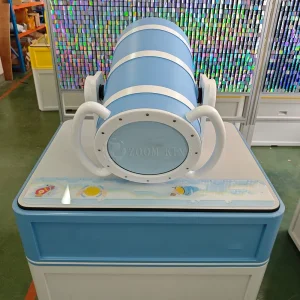
In mountain terrains, wind flowing over ridges forms strong downdrafts and vortices. Our Air Cannon Vortex Ring Experiment Device is a vital resource for explaining visual and mechanical vortex mechanics. By generating structured vortex rings, instructors can physically demonstrate air-mass movements, downwash, and wingtip vortex currents to student pilots. These principles help candidates comprehend wake turbulence and avoidance maneuvers during critical approaches.
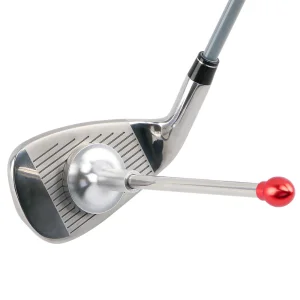
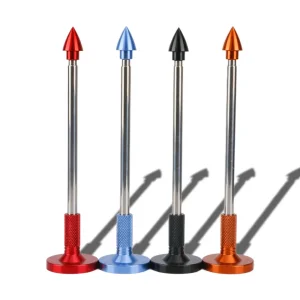
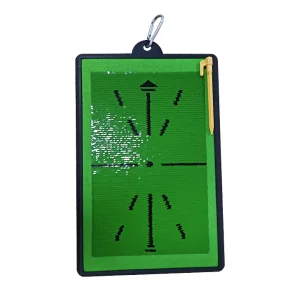
Precision pilot operations require deep spatial awareness, fine motor control, and alignment calculations. Aligning flight lines requires visual angle tracking. The same physical principles of alignment and visual targeting are taught via our Aluminous Retractable Golf Alignment Rods and Swing Analysis Mats. In recreational flight physiology classes and physical training clinics, these alignment systems help pilots hone spatial-motor alignment, visual target tracking, and muscle coordination, bridging the gap between balance mechanics and precision controls.
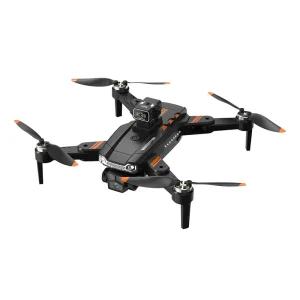
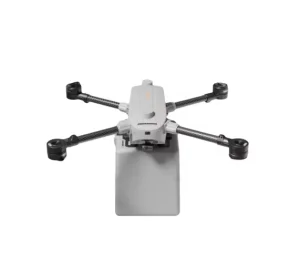
Given Nepal's complex terrain, drones have shifted from hobbyist toys to essential infrastructure components. Agricultural logistics and rescue operations depend on heavy-payload aircraft. Our 200kg Load Transport Drone and educational remote-control models serve as critical instructional aids for flight academies designing cargo logistics classes. Cadets learn stability controls, drone aerodynamics, and payload balancing under thin air parameters.
Our complete range of instructional devices, alignment instruments, and unmanned aviation training components.
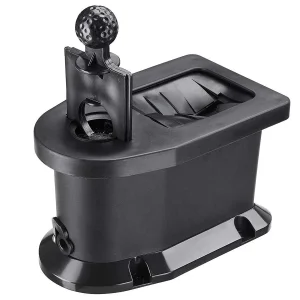
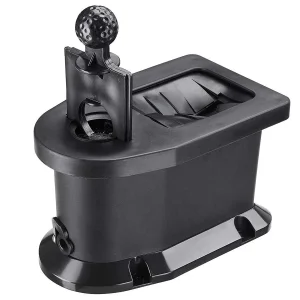
Essential information regarding procurement, technical specifications, and the application of aerodynamics training equipment in Nepal.
Partner with Aero Apex. Since 1996, we have supplied aviation academies, universities, and technical labs with high-performance flight mechanics and pilot alignment components.
 Aero Apex