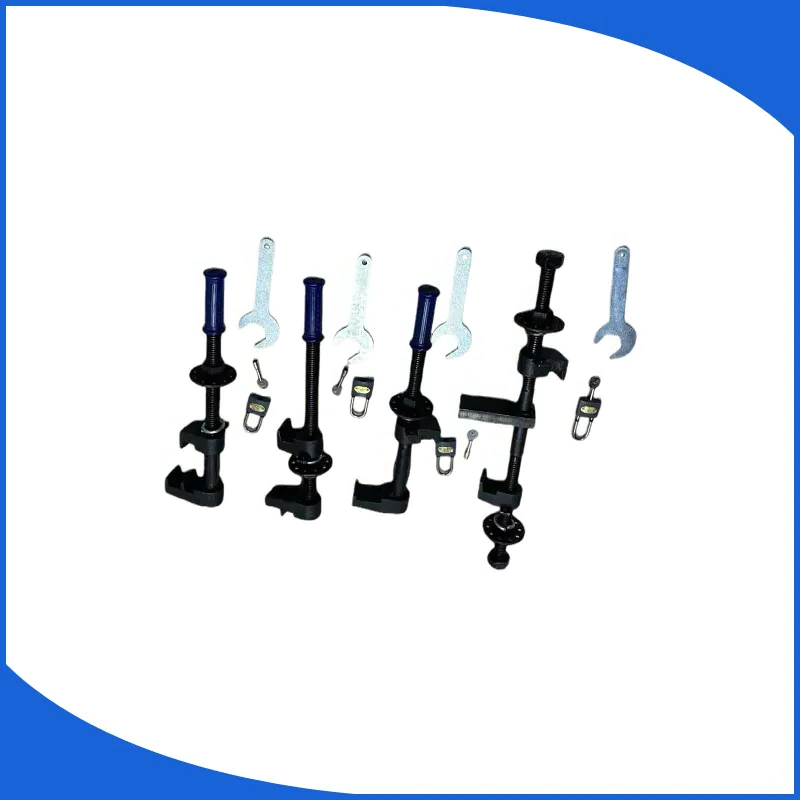
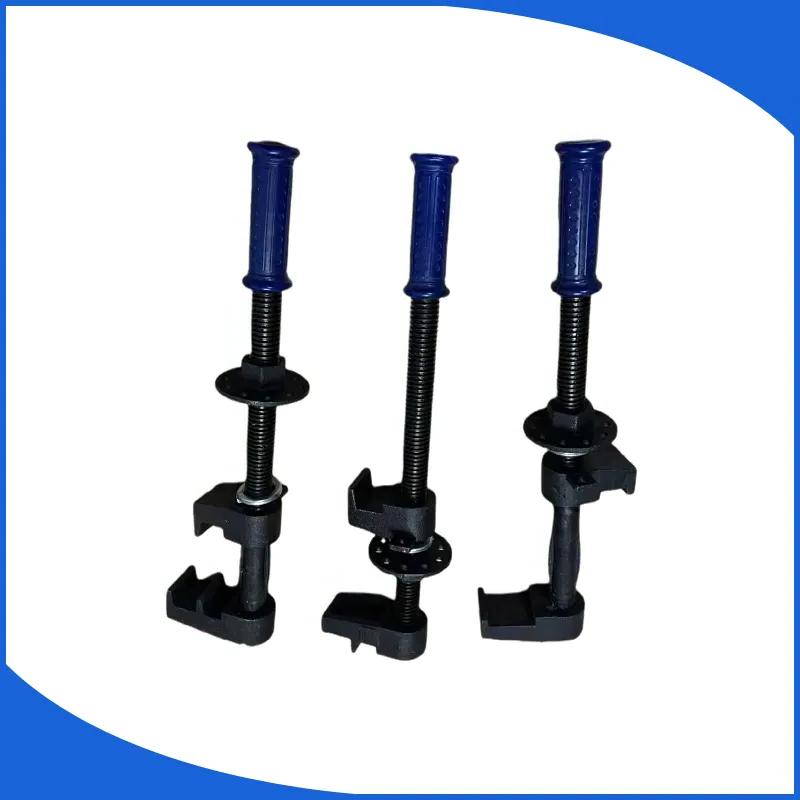
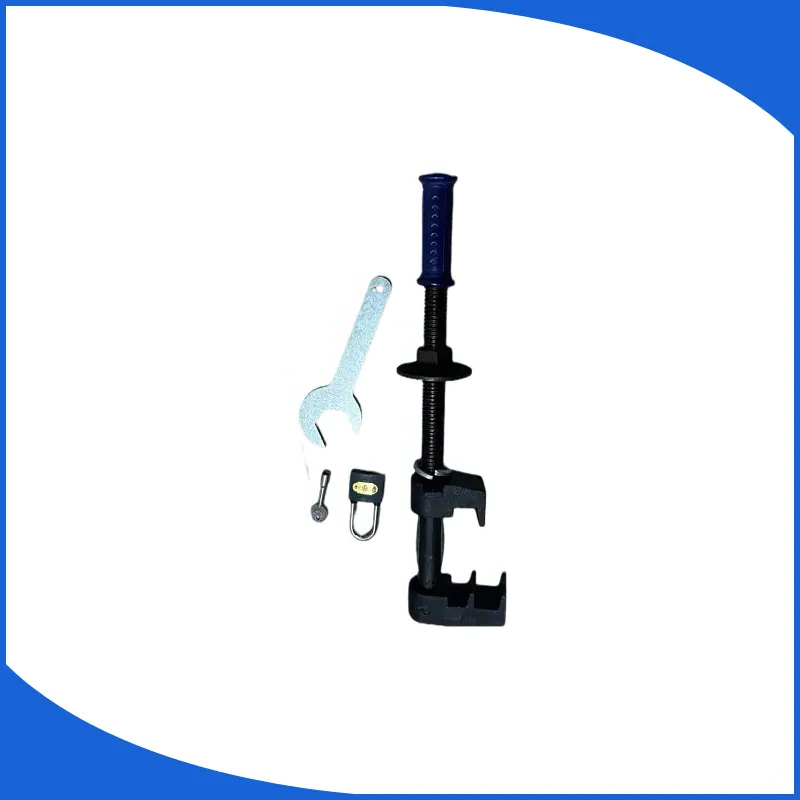
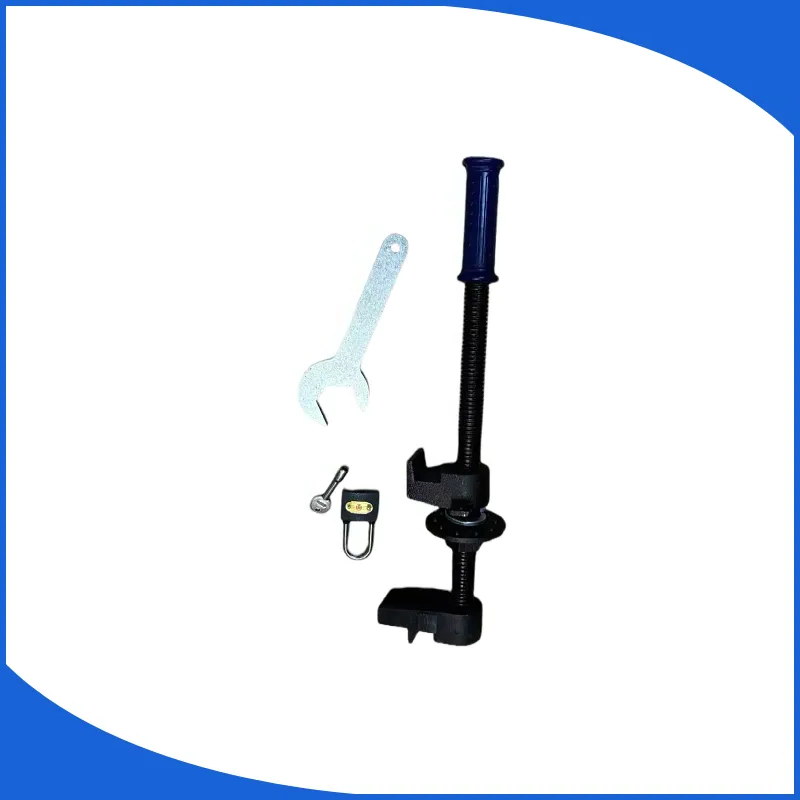
Heavy-Duty Railway Turnout Lock Device for Secure Operations

Still deciding? Get samples of $ !
Request Sample

Product Description

🔹 Basic Specifications
Customized:
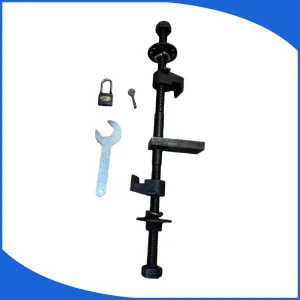
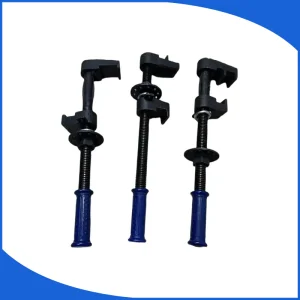
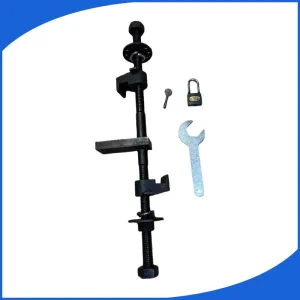
Turnout Hook Lock Device
Certification:
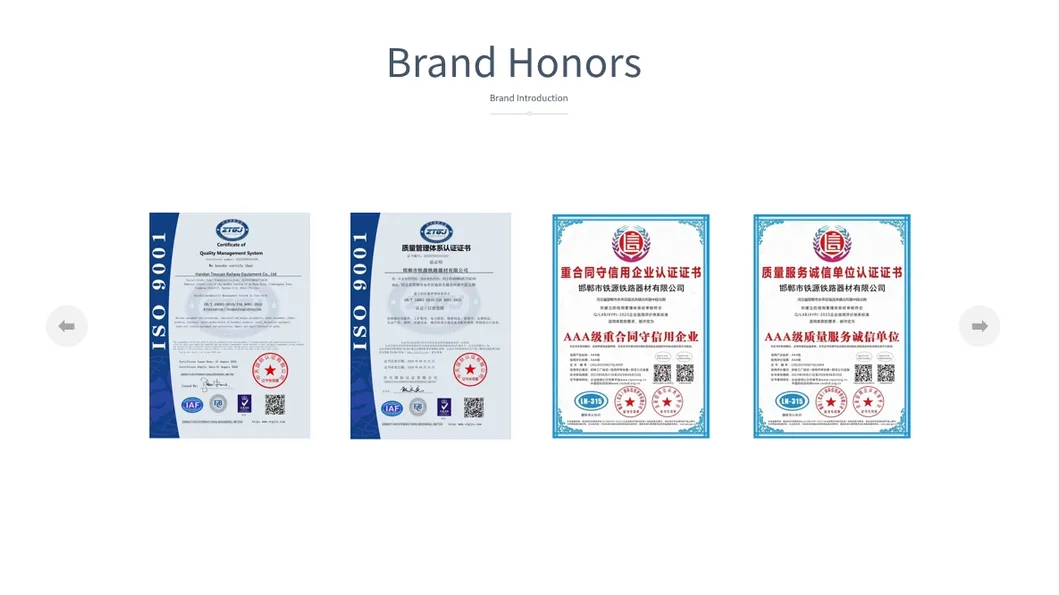
ISO9001
Type:
Turnout Hook Lock Device
Transport Package:
Export Wooden Box
Origin:
China
Production Capacity:
10000
Heavy-Duty Railway Turnout Lock Device
🛠️ Product Description
Main Uses & Functions
Prevent Mismoving: Mechanically locks the turnout during maintenance or failure to prevent accidental position changes from external forces or errors.
Interlock Integration: Serves as a manual emergency locking measure when electrical interlock systems (6502 or computer-based) fail.
Enhanced Safety: Prevents derailment or track conflicts by ensuring fixed positions during extreme weather like heavy snow or icing.
Usage Scenarios
Maintenance Periods: Essential for signaling personnel to lock turnouts during inspection and repairs.
System Failures: Required when electric switch machines or control signals malfunction.
Non-Centralized Areas: Used as routine safety for manual turnouts and non-electrified sections.
Traffic Organization: Reinforcement for single-track railways or temporary reverse traffic sections.
Basic Structure
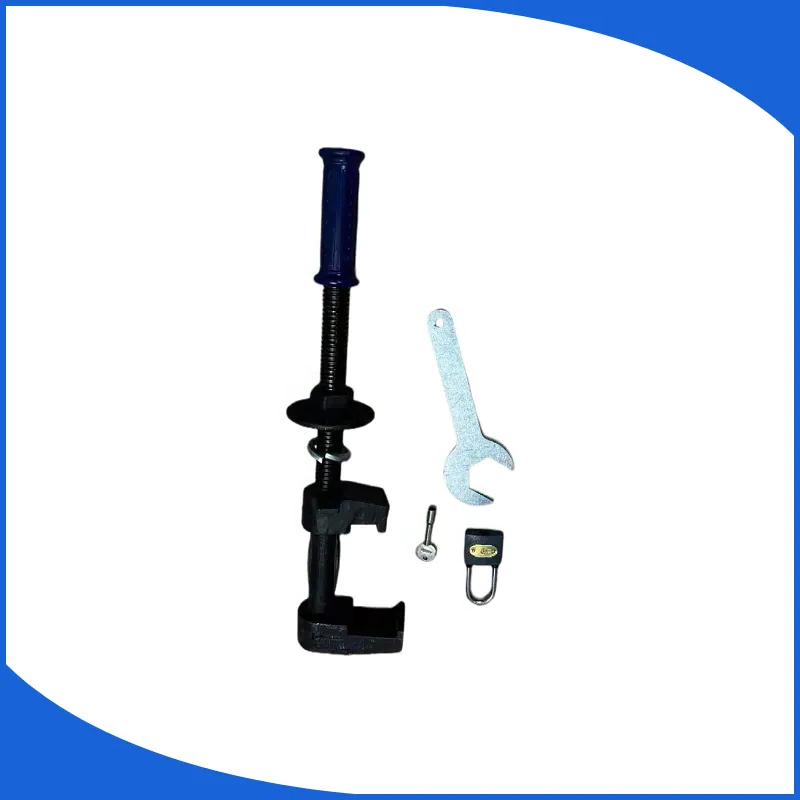
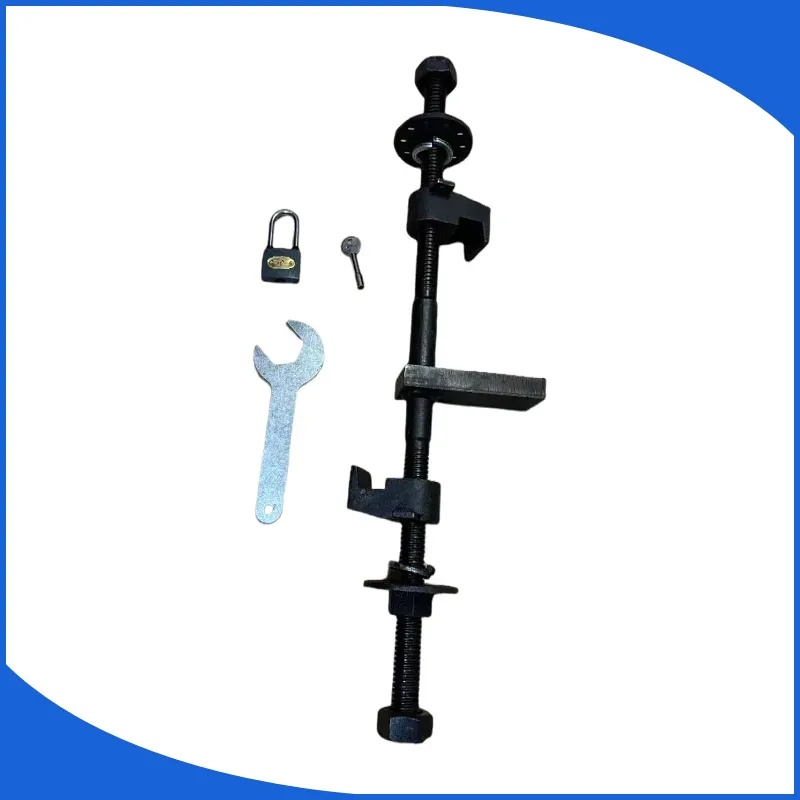
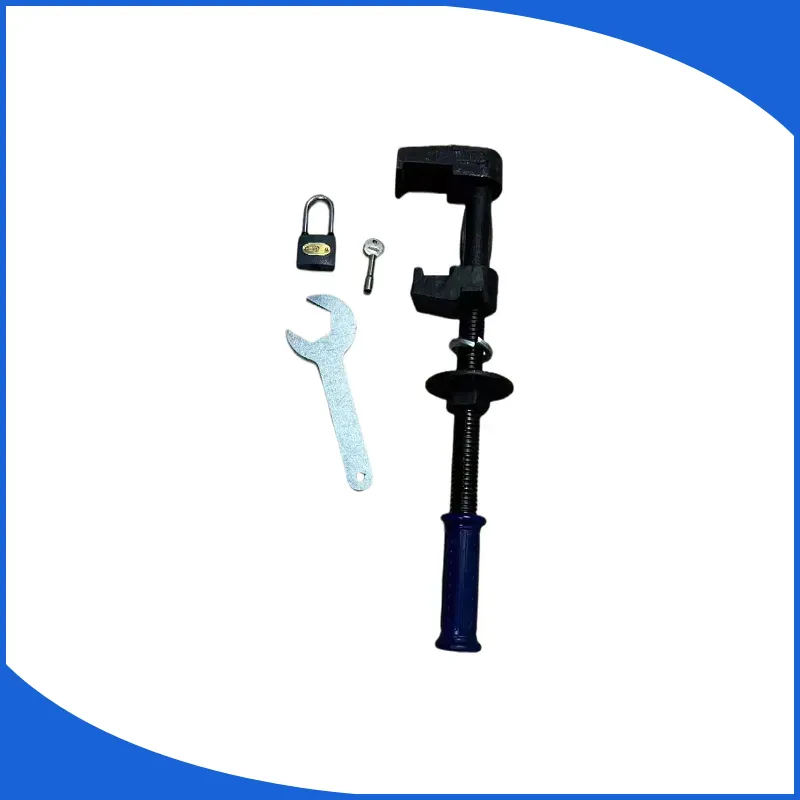
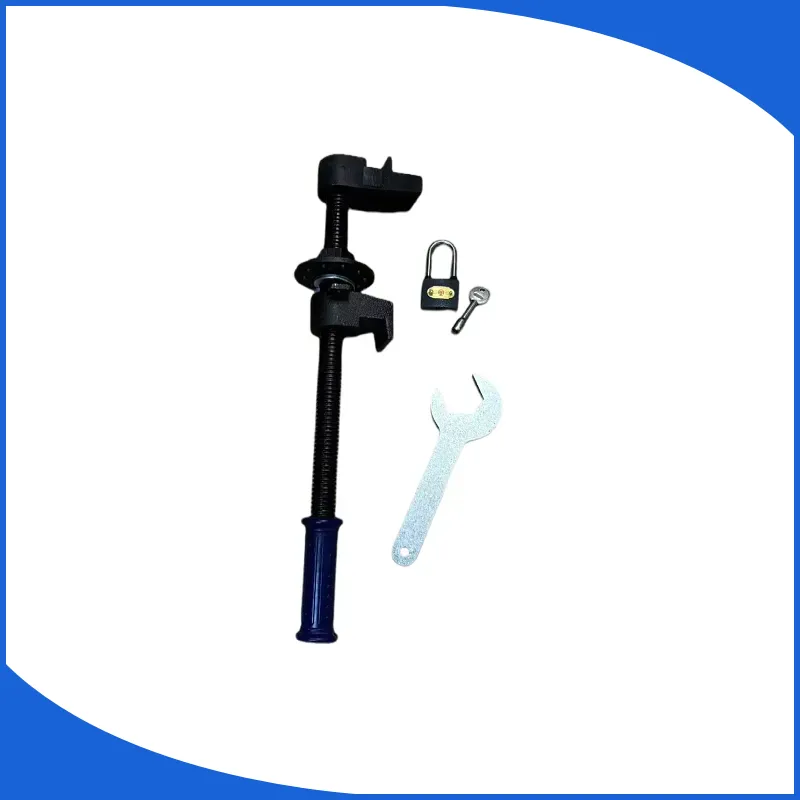
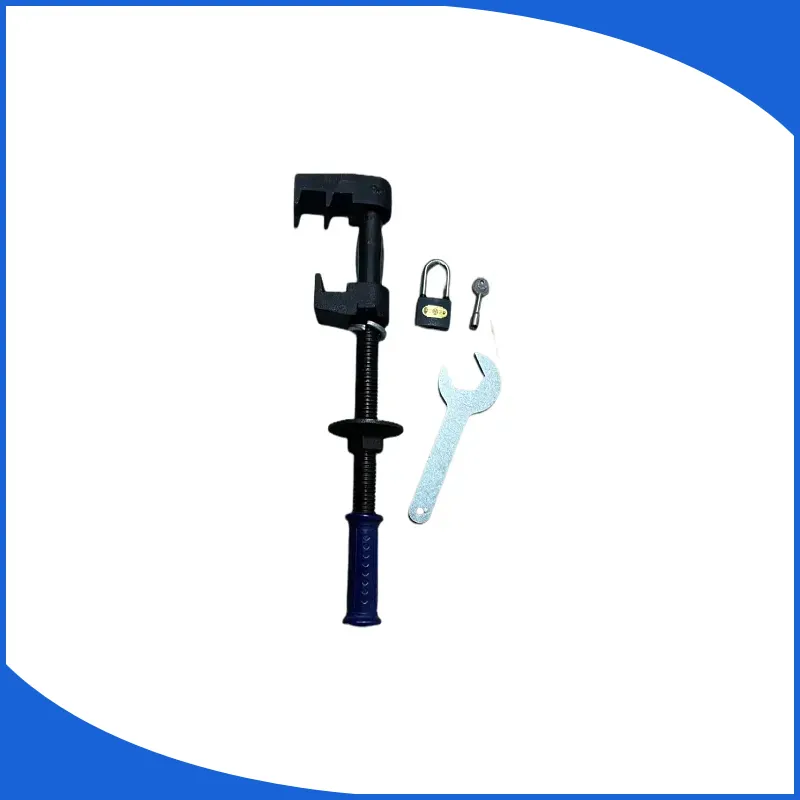
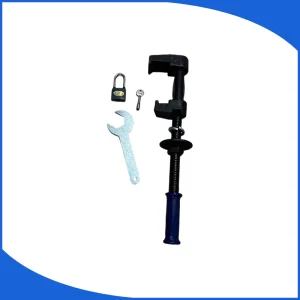
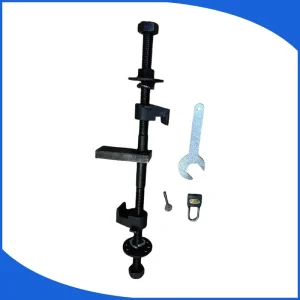
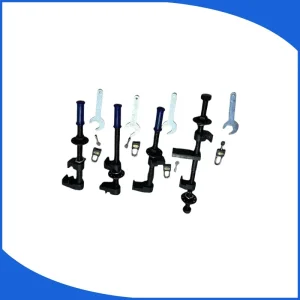
Lock Hook Part: Securely holds the turnout tip rail or core rail.
Locking Device: Features mechanical locks or padlocks to prevent unauthorized access.
Fixed Bracket: Provides stability by mounting directly to rails or sleepers.
Frequently Asked Questions (FAQ)
Q1: What is the primary purpose of a turnout hook lock device?
It is designed to mechanically lock railway turnouts in a fixed position to prevent accidental movement during maintenance, equipment failure, or abnormal operations.
Q2: How does it contribute to railway safety?
By ensuring the turnout remains in the correct position, it prevents trains from entering the wrong tracks, thereby avoiding derailments and collision accidents.
Q3: When is manual emergency locking necessary?
It is necessary when the electrical centralized interlocking system fails, such as during computer or signal malfunctions, to ensure the track remains set correctly for passing trains.
Q4: Can these devices be used in extreme weather conditions?
Yes, they are particularly useful during heavy snow, ice, or rain to prevent turnout shifts caused by icing or environmental deformation.
Q5: What are the main components of the device?
The device typically consists of a high-strength lock hook, a mechanical locking mechanism (like a padlock), and a fixed bracket for rail stability.
Q6: Are these devices suitable for manual turnouts?
Absolutely. They are a routine safety measure in non-centralized interlocking areas, manual turnout sections, and station shunting yards.

Related Products