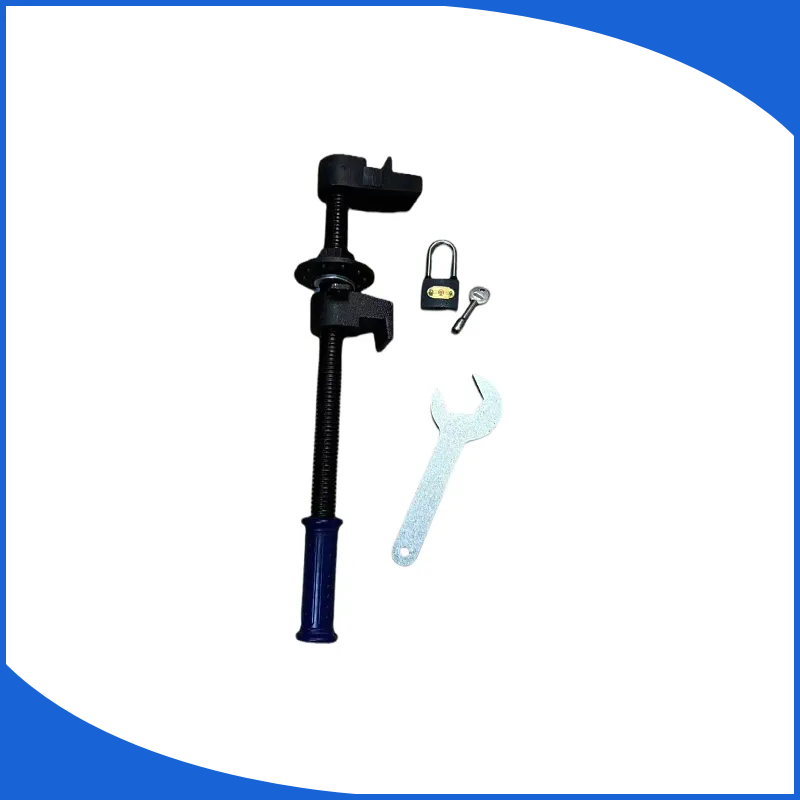
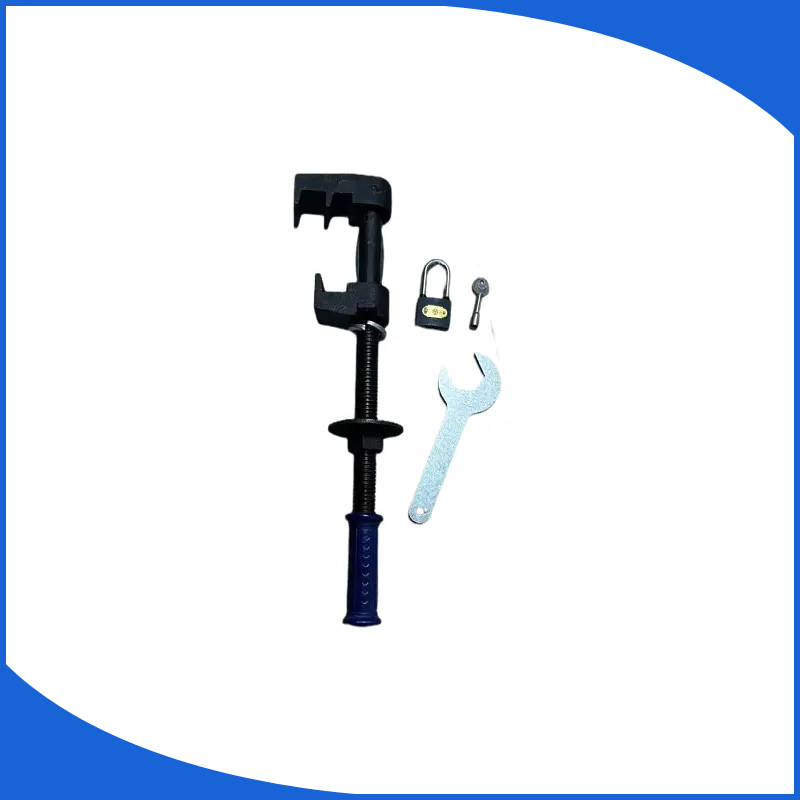
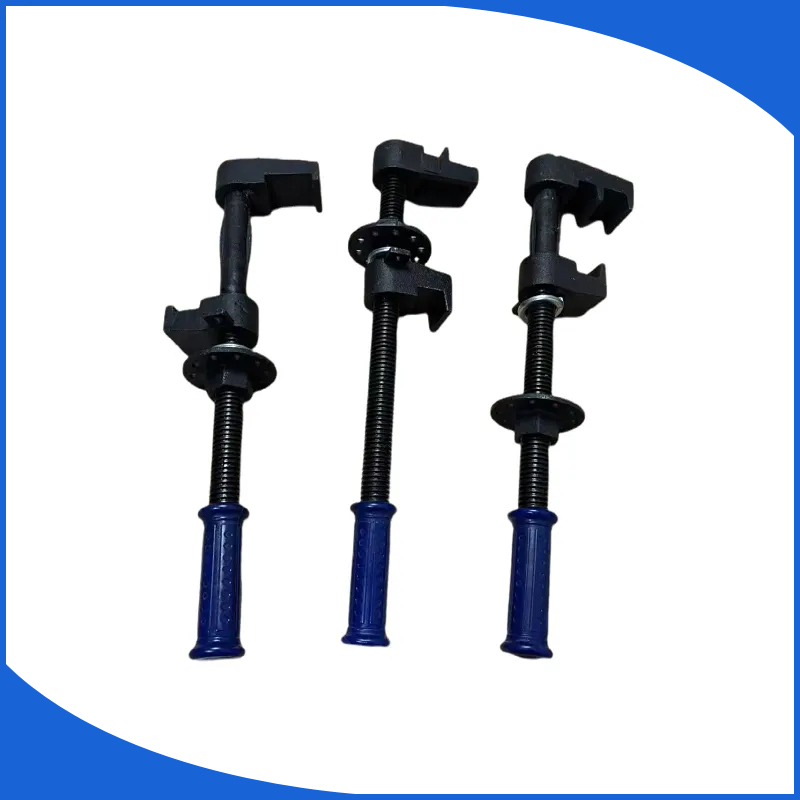
Premium Railway Turnout Hook and Lock Mechanism Device for Enhanced Safety

Still deciding? Get samples of $ !
Request Sample

Product Description

Basic Information
Customized
Turnout Hook Lock Device
Certification
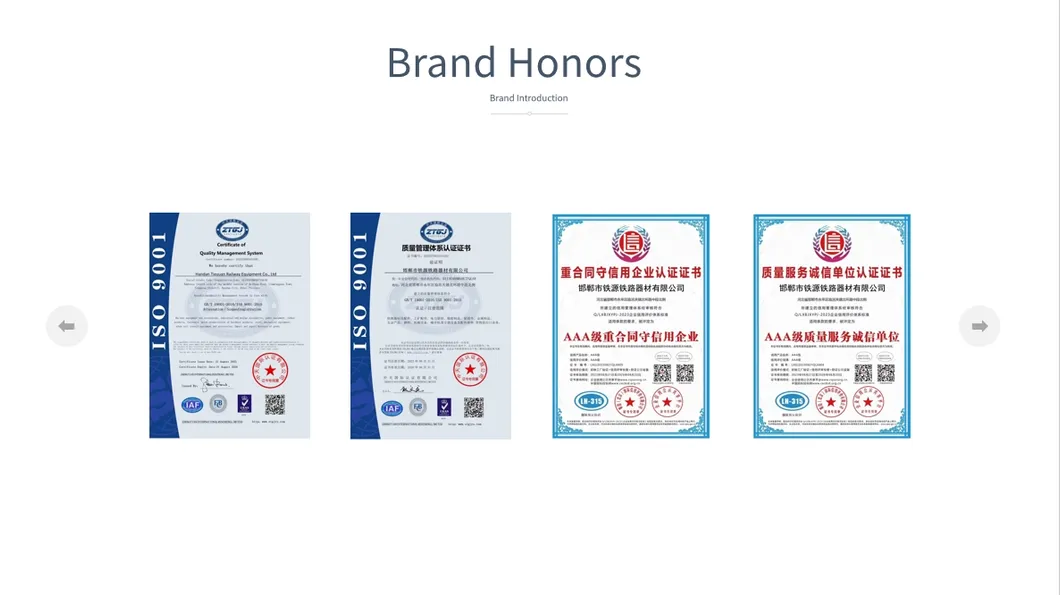
ISO9001
Type
Turnout Hook Lock Device
Transport Package
Export Wooden Box
Production Capacity
10000
Product Description
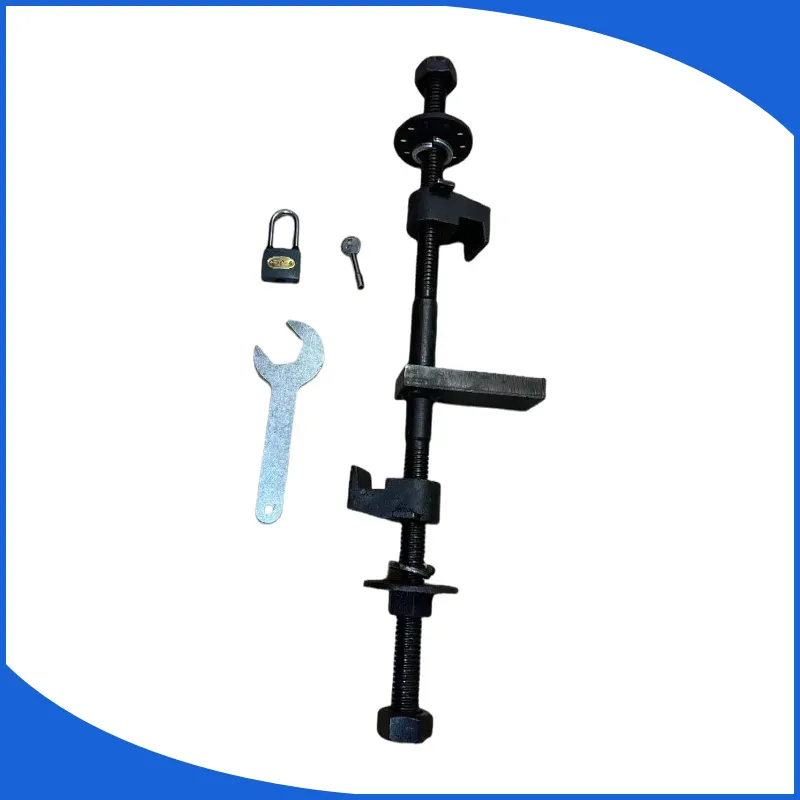
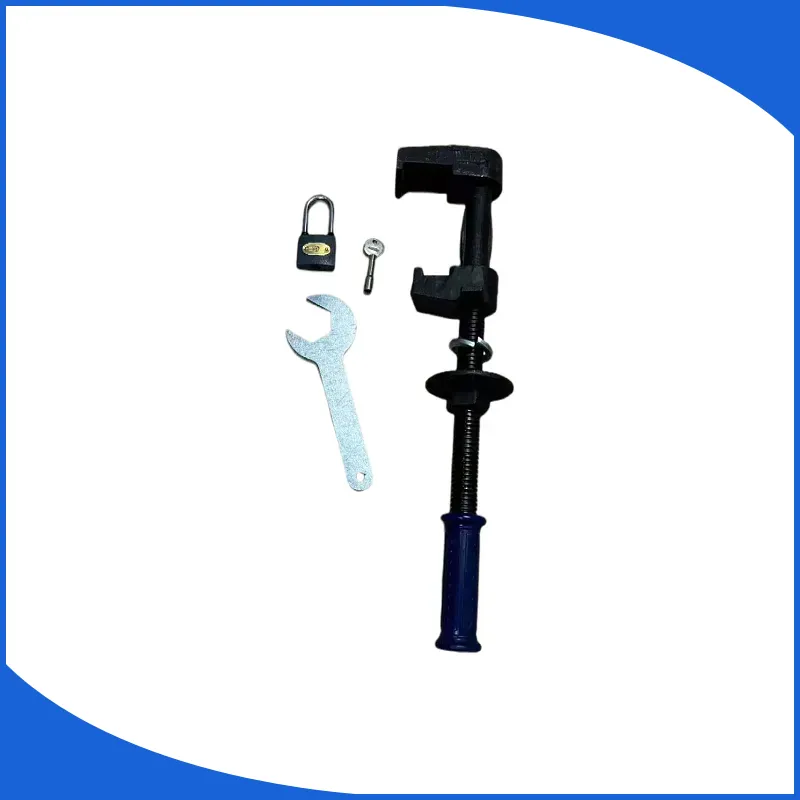
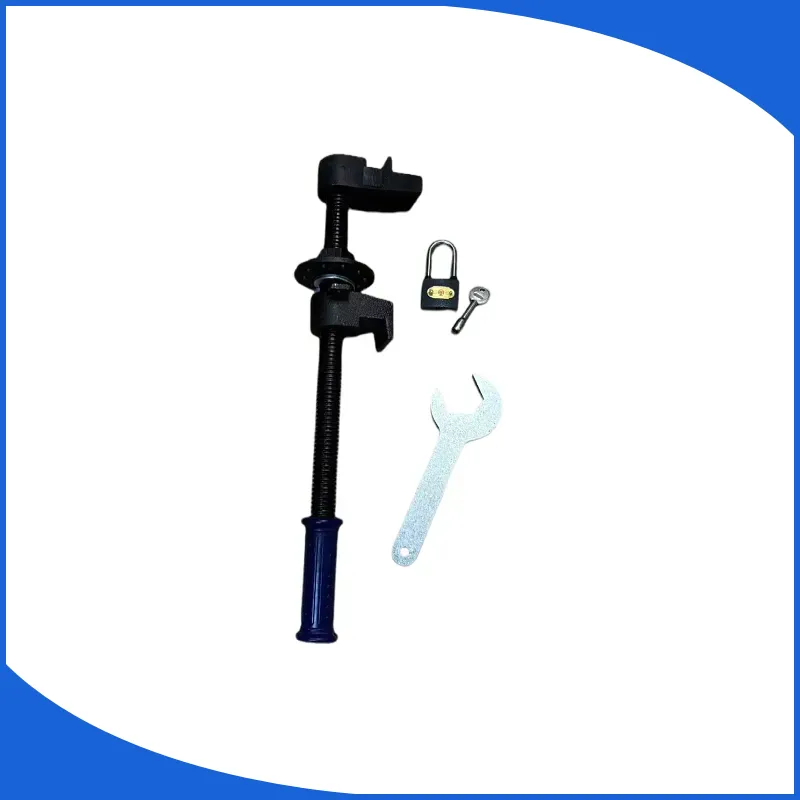
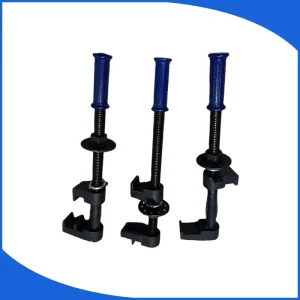
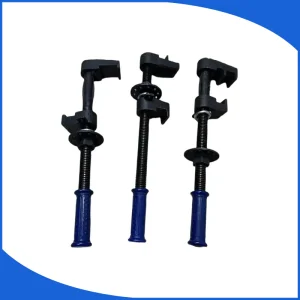
Railway Turnout Hook and Lock Mechanism
Main uses illustration
Main Uses & Functions
  • Prevent Mismoving: Mechanically locks the turnout to prevent position changes due to equipment failure, human error, or external forces like vibration and strong wind.
  • Interlock System Integration: Serves as a manual emergency locking measure during electrical centralized interlock faults.
  • Enhanced Safety: Provides additional security in non-centralized areas or during special weather conditions like heavy snow or rain.
Usage Scenarios
  • Maintenance and construction periods for personnel safety.
  • Electric switch machine failures or control signal interruptions.
  • Manual turnouts and non-electrified sections.
  • Special traffic organizations like temporary reverse traffic or slow-moving sections.
Usage scenarios image
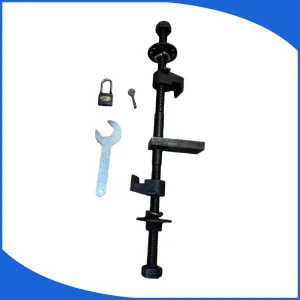
Basic structure diagram
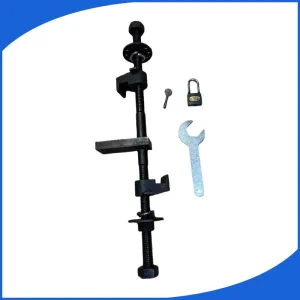
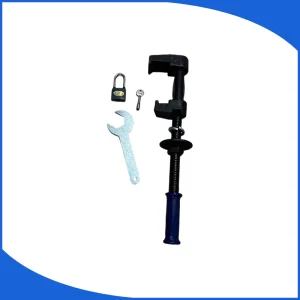
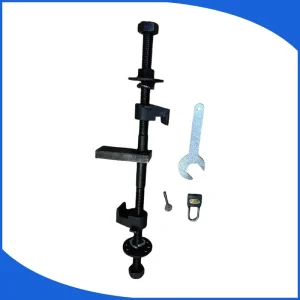
Basic Structure
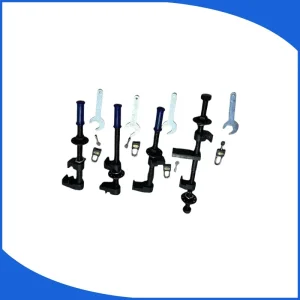
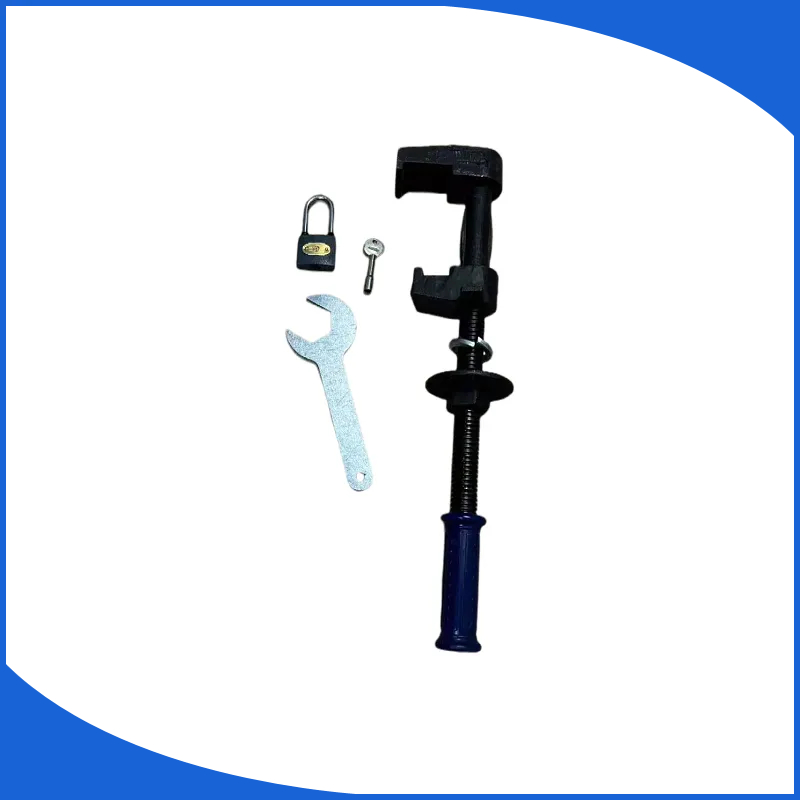
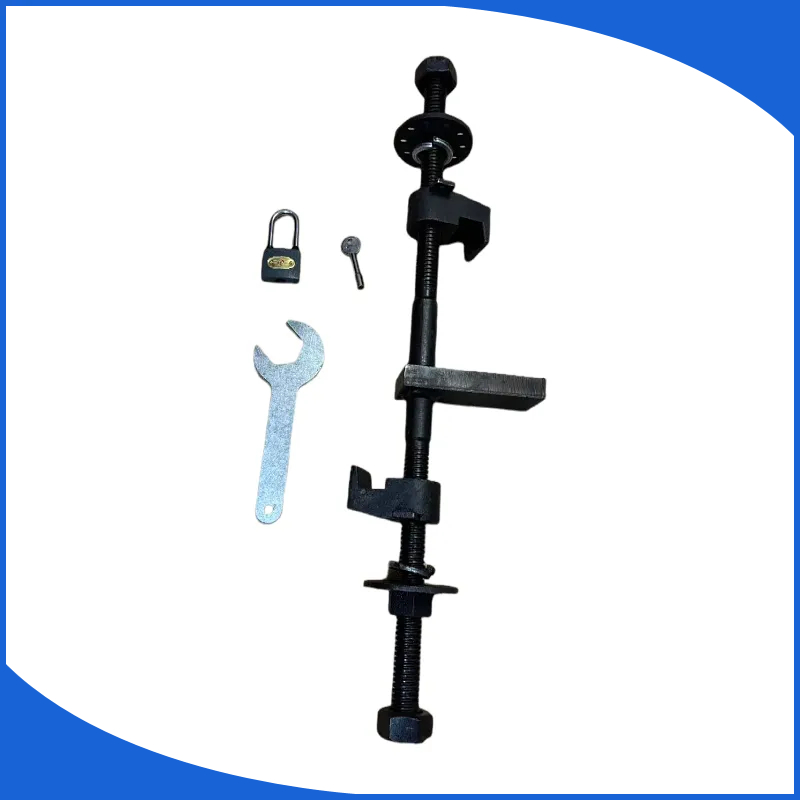
  • Lock Hook: Securely holds the turnout tip rail or core rail.
  • Locking Device: Features a mechanical lock or padlock to prevent unauthorized access.
  • Fixed Bracket: Enhances stability by fixing onto rails or sleepers.

Railway turnout hook and lock devices are essential safety equipment for maintaining fixed turnout positions. They are indispensable during maintenance, emergency fault responses, and within non-centralized interlocking areas. Proper utilization effectively prevents traffic accidents and remains a core measure of railway safety management.
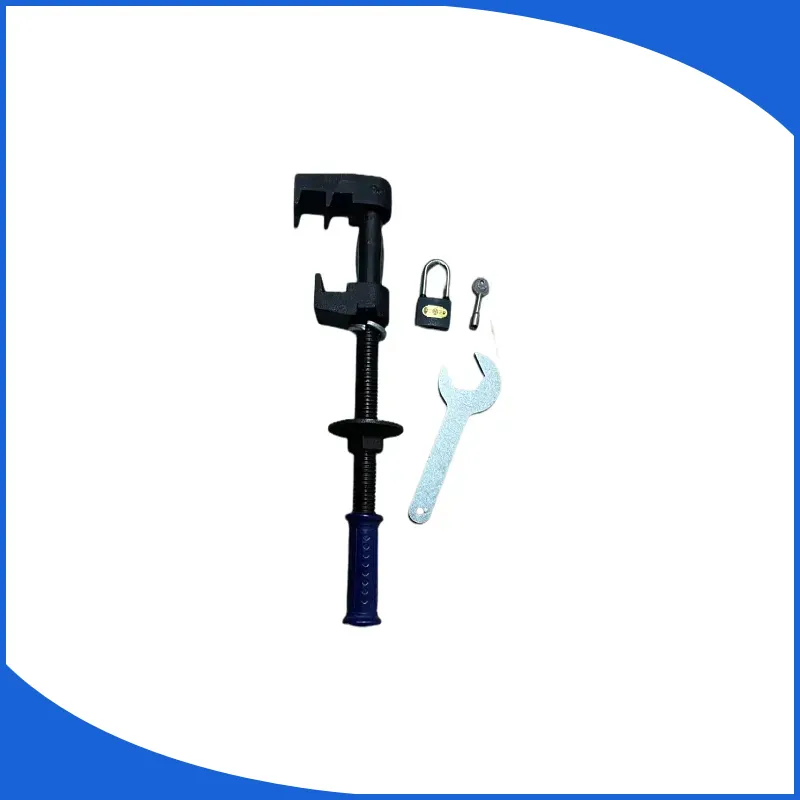

Safety equipment overview
Product detail view 1 Product detail view 2
? Frequently Asked Questions
What is the primary function of a turnout hook lock device?
The primary function is to mechanically lock the turnout in a fixed position, preventing accidental movement caused by equipment failure, human error, or external environmental forces.
When should a manual hook lock be used instead of the electronic system?
It should be used during maintenance, when the electrical interlocking system fails, in non-centralized interlocking areas, or during special traffic organizations like temporary reverse traffic.
How does the device perform in extreme weather conditions?
The hook lock device provides an additional safety guarantee by preventing turnout shifts caused by icing, heavy snow, or rail deformation during heavy rain.
What components make up the basic structure of the device?
The structure consists of a lock hook part for holding the rails, a locking device (mechanical or padlock), and a fixed bracket for enhanced stability on sleepers or rails.
Is the turnout hook lock device certified for quality?
Yes, the device is manufactured under ISO9001 certification standards to ensure high reliability and safety for railway operations.
Can this device be used on manual turnouts?
Yes, it is an ideal safety measure for manual turnouts and shunting operations in station yards where centralized interlocking may not be present.

Related Products