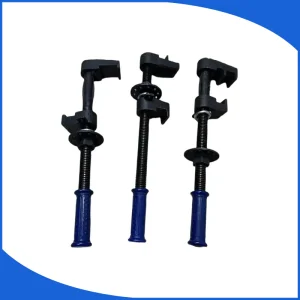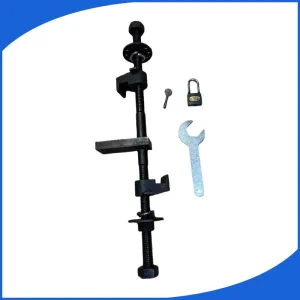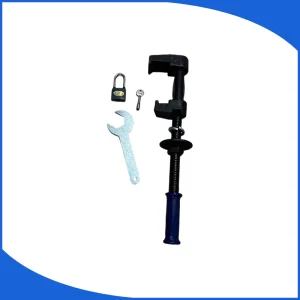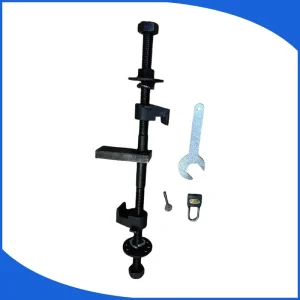
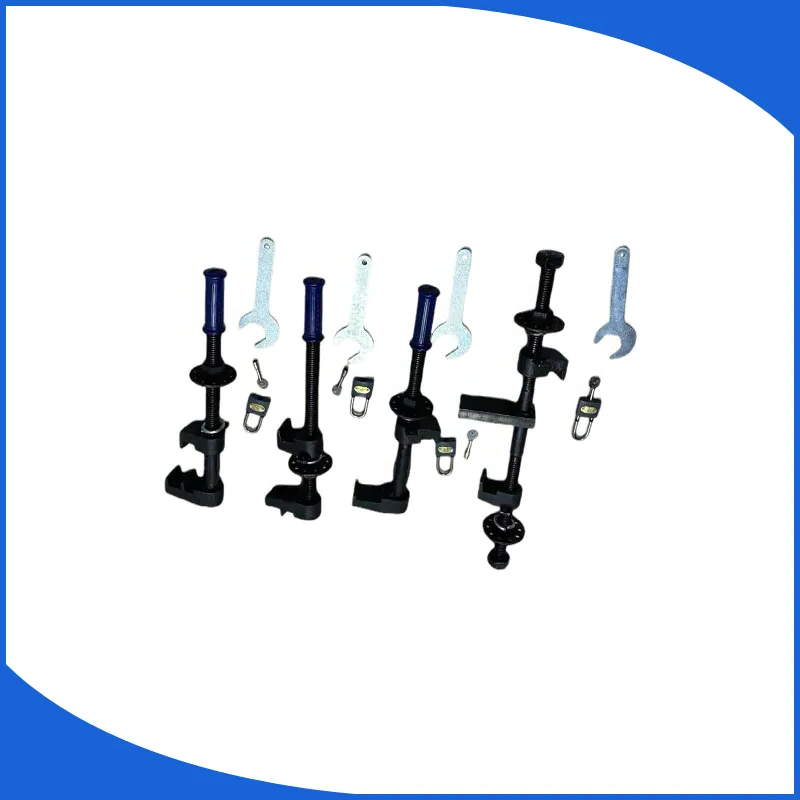
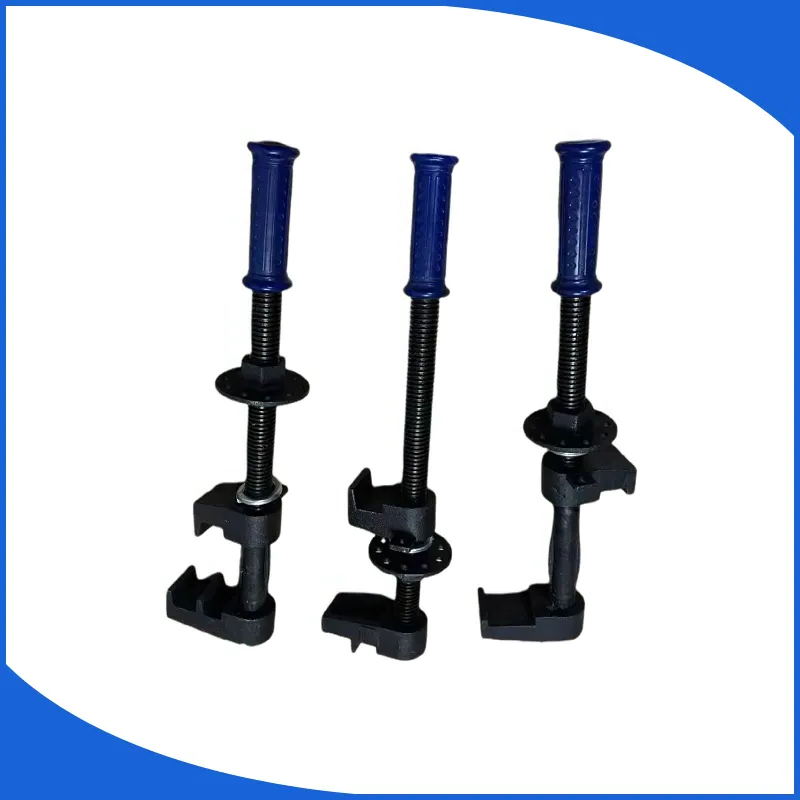
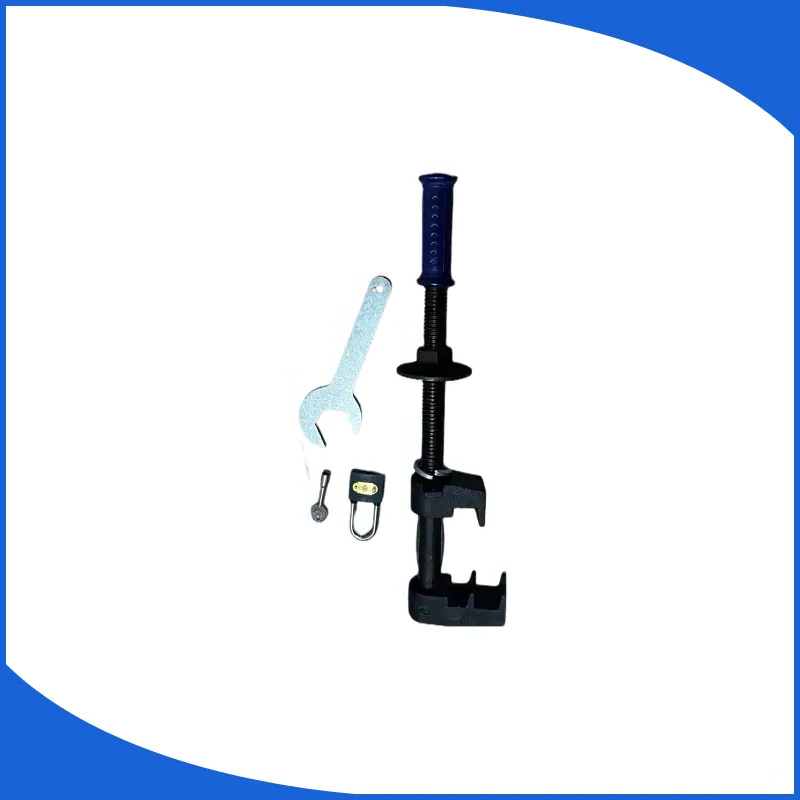
Reliable Railway Turnout Hook-Lock Mechanism for Enhanced Durability

Still deciding? Get samples of $ !
Request Sample

Product Description

Technical Specifications

Customized: Turnout Hook Lock Device
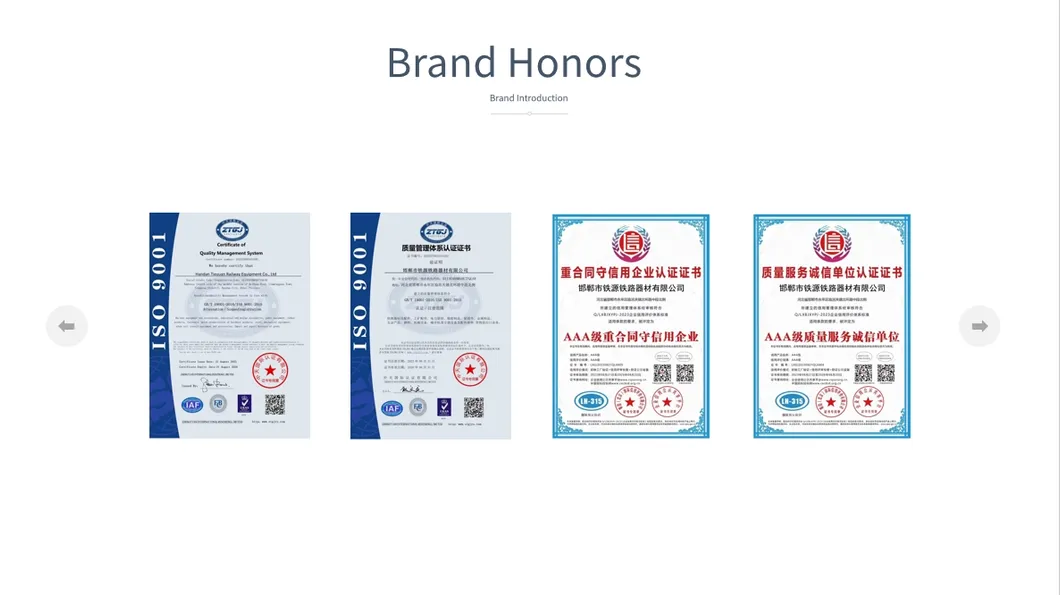
Certification: ISO9001
Type: Turnout Hook Lock Device
Transport Package: Export Wooden Box
Production Capacity: 10000 Units
Reliable Railway Turnout Hook-Lock Mechanism

Main Applications

Turnout Hook Lock Main Uses
🛡️ Prevent Mismoving: Mechanically locks the turnout to prevent position changes due to equipment failure, human error, or external forces like vibration and strong wind.
🔗 Interlock System Integration: Servis as a manual emergency locking measure when computer or electrical centralized interlocks fail.
❄️ Enhanced Driving Safety: Prevents turnout shifting during extreme weather (heavy snow/rain) or track deformation.

Operational Scenarios

🚧 Maintenance & Construction: Essential for locking turnouts during inspection to ensure personnel safety and prevent accidental movement.
⚠️ System Failures: Manually installed when switch machines or control signals malfunction to maintain correct rail positioning.
🛤️ Non-Centralized Areas: Routine safety measure for manual turnouts and non-electrified sections.
🚦 Special Traffic Organization: Used for temporary reverse traffic or construction-related slow-moving sections.
Usage scenarios of hook lock

Basic Structure

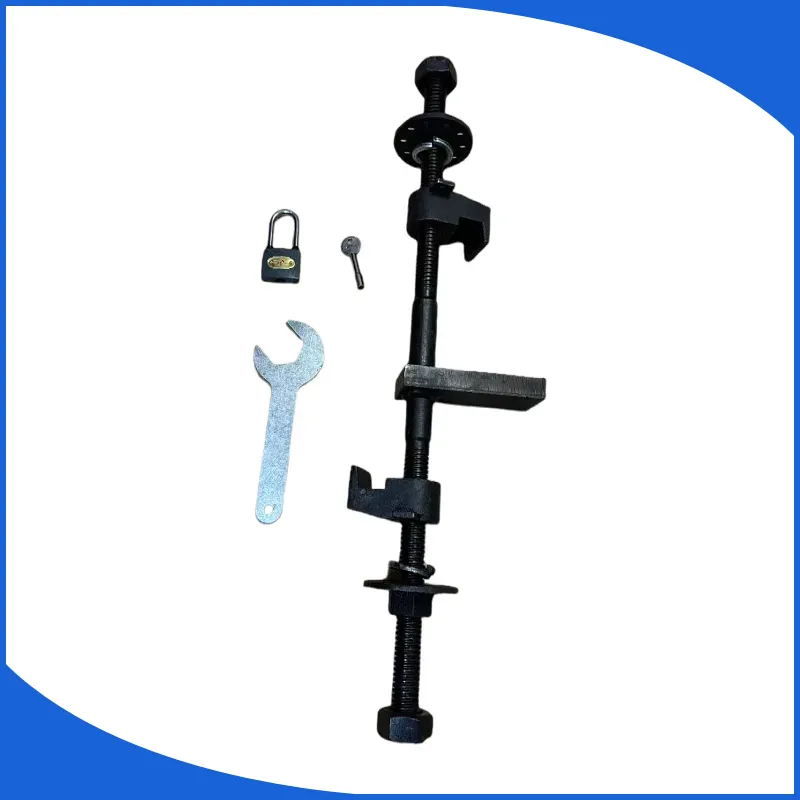
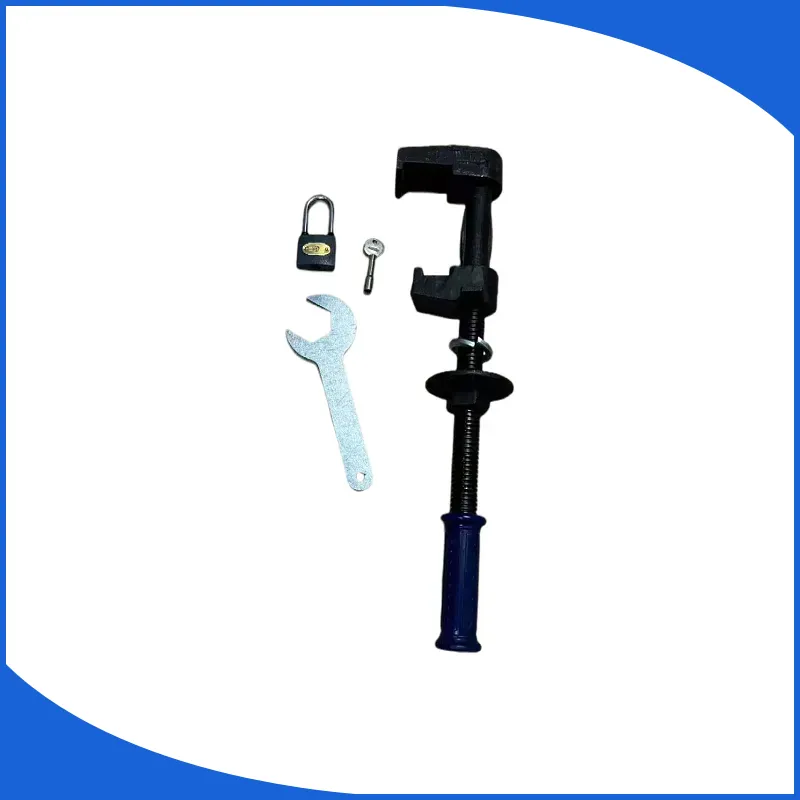
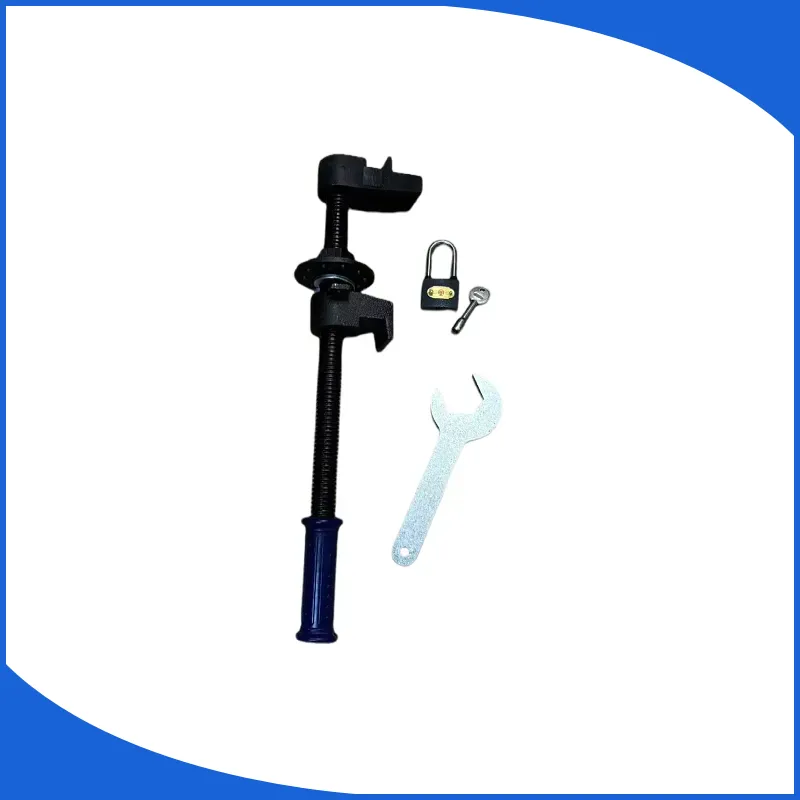
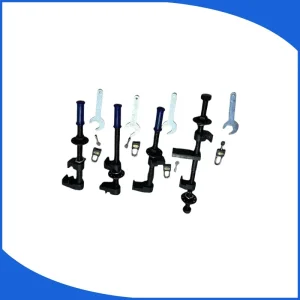
Basic structure of hook lock
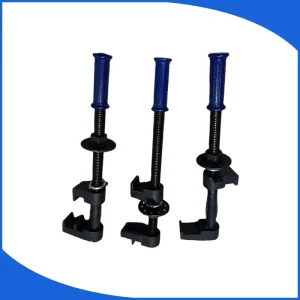
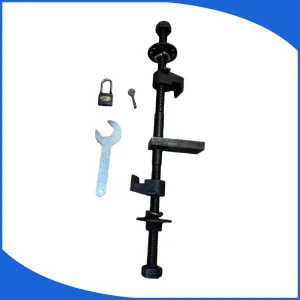
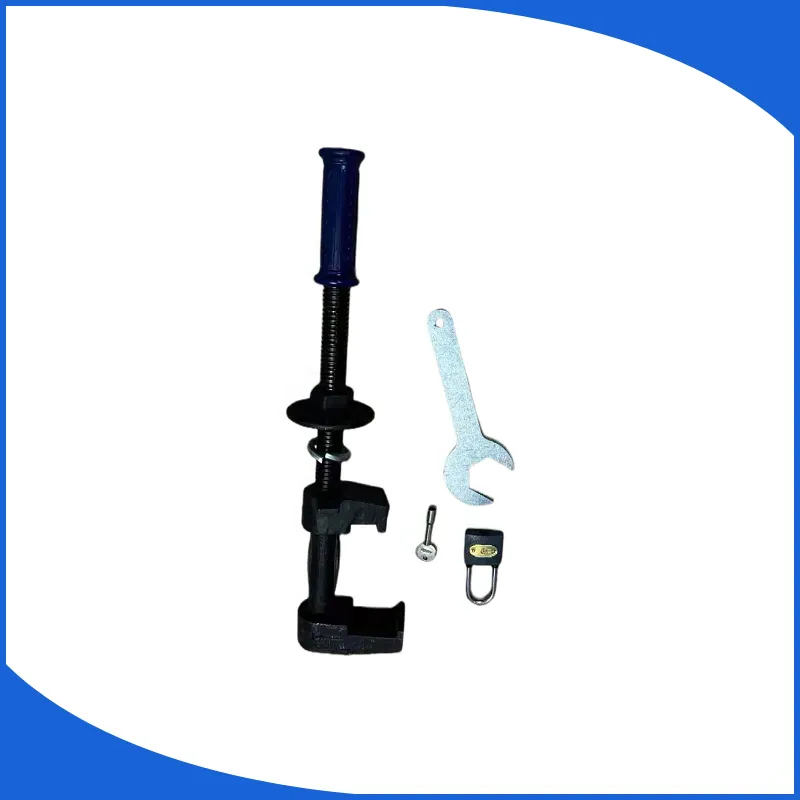
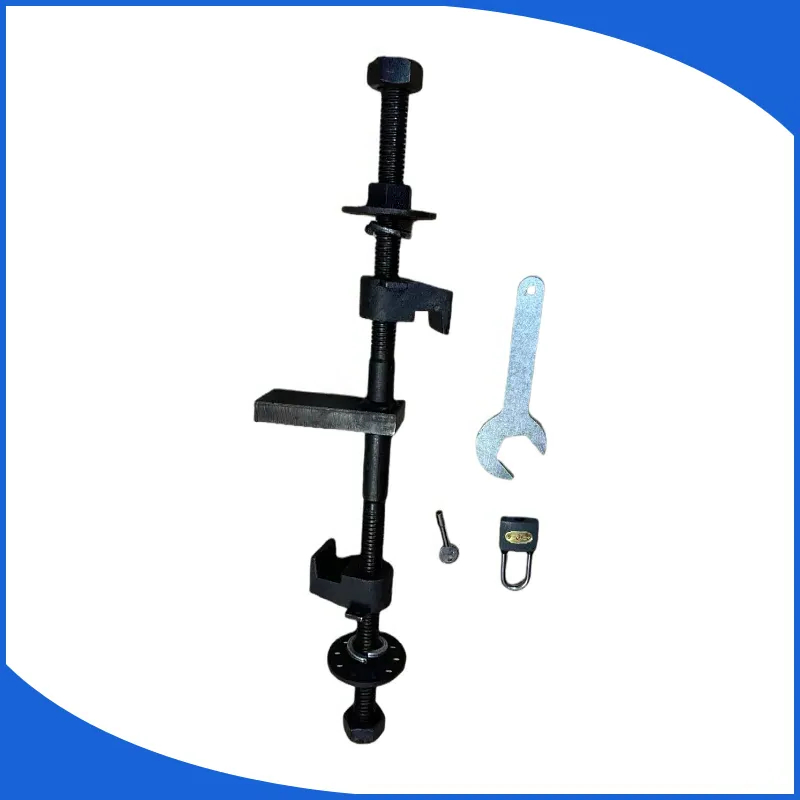
  • ⚙️ Lock Hook Part: Securely holds the turnout tip rail or core rail.
  • 🔒 Locking Device: Features a mechanical lock or padlock to prevent unauthorized access.
  • 🏗️ Fixed Bracket: Enhances stability by fixing to rails or sleepers.

Railway turnout hook and lock devices are critical safety equipment for ensuring fixed turnout positions. They are indispensable for maintenance, emergency response, and non-centralized interlocking areas, effectively preventing traffic accidents and upholding core railway safety management standards.
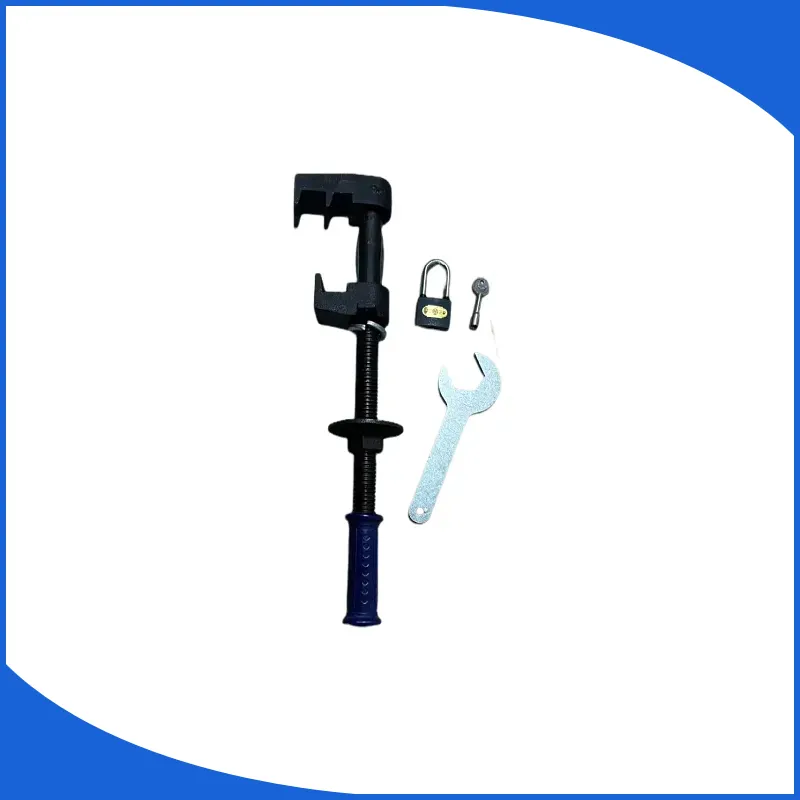

Safety equipment summary

Product Gallery

Hook lock device view 1
Hook lock device view 2

Frequently Asked Questions

What is the primary purpose of a turnout hook lock device?
The primary purpose is to mechanically lock the railway turnout in a fixed position, preventing accidental movement caused by equipment failure, human error, or external forces like vibration.
How does this device assist during interlock system failures?
When the electrical or computer interlocking system fails, the hook lock device acts as a manual emergency locking measure to ensure the turnout remains safely in its intended position.
Can the hook lock device be used in extreme weather conditions?
Yes, it is specifically designed to provide extra security during special weather conditions, such as heavy snow or rain, where icing or rail deformation might otherwise cause the turnout to shift.
Is this device suitable for manual turnouts?
Absolutely. It is a standard safety measure for non-centralized interlocking areas, including manual turnouts and non-electrified sections of the railway.
What are the three main components of the basic structure?
The device consists of a lock hook part to hold the rail, a locking mechanism (like a padlock) for security, and a fixed bracket for enhanced stability on the sleepers or rails.
Why is it critical for maintenance personnel to use hook locks?
During inspection and repair, it prevents other personnel from making operational mistakes and ensures the turnout does not move when other trains are passing nearby, protecting the workers.

Related Products