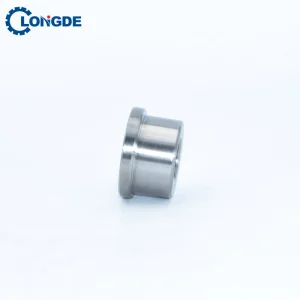
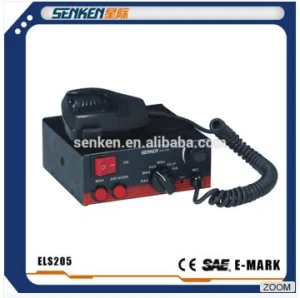
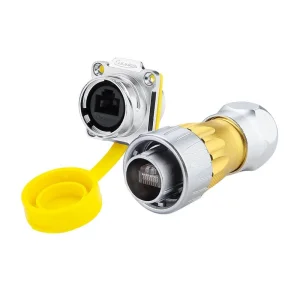
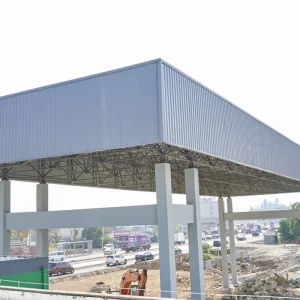
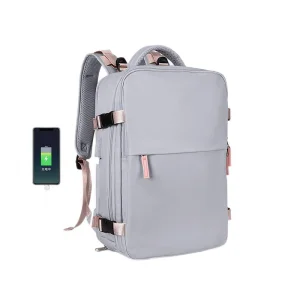
Browse our integrated selection of high-precision components, electrical tooling, safety structures, and survival gear designed to support modern aerospace ecosystems.
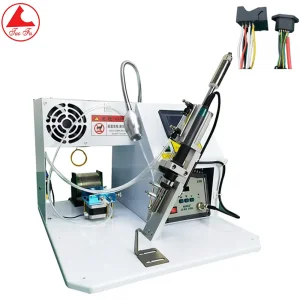
In aerospace maintenance, tolerances are measured in microns, and failure is never an option. A standard commercial four-seater aircraft is a masterclass in complexity, consisting of more than 12,000 individual parts. When scaled to intercontinental commercial jetliners or complex defense platforms, this number climbs into millions of micro-components. Each element requires exact torque specifications, calibration, and precise diagnostic maintenance.
This is where specialized aviation tool kits come in. Far beyond standard mechanical tools, professional aviation tooling systems are engineered to prevent Foreign Object Debris (FOD), guarantee static dissipation, handle complex composites, and maintain traceability under strict regulatory scrutiny (FAA, EASA, AS9100). The search for the right manufacturing partner is a critical safety choice.
Founded in 1996, Aero Apex was established with a clear mission: to provide every pilot and passenger with a "pleasant and safe flight experience." Over nearly three decades, our dedication has evolved alongside the aviation industry. Today, we specialize in high-precision aerospace components, aviation tools, and technical solutions. We ensure that every component and tool meets the highest levels of safety and performance. Aero Apex operates on a simple principle: "Do what you can today, today." This commitment drives our daily focus on quality assurance, responsive customer care, and continuous technological progress.
Parts in a Basic 4-Seater Plane
Year of Establishment
Engineered Tool Control Systems
AS9100 / ISO Compliance
The intersection of advanced aerospace materials and digital tracking is changing the design of aviation tool kits.
Next-generation aviation toolboxes use integrated RFID chips and sensors. Whenever a tool is removed or returned, the system registers the transaction, updating maintenance logs automatically and keeping FOD risk to a minimum.
Modern aerospace materials include lightweight composites and high-strength titanium. Tooling must adapt with non-marring, non-sparking materials, composite-safe torque drivers, and ergonomic geometries that reduce technician fatigue.
Connecting bluetooth-enabled torque tools directly to digital execution systems (MES) ensures torque data is logged in real-time. Smart tools can notify the calibration lab when they are nearing their cycle limit.
Different aviation sectors require specific tooling standards. These are the configurations designed for distinct operational roles.
Designed for rapid turnaround times (TAT) and high-frequency servicing. These setups focus on heavy-duty, high-accuracy impact sockets, hydraulic tools, and high-density mobile tool cabinets with laser-etched foam organizers to simplify workflow.
Compact, portable, and versatile tool cases tailored to owner-operators and flying clubs. These kits prioritize the core tools needed for typical 50-hour and 100-hour inspections, oil changes, spark plug servicing, and basic airframe adjustments.
Built to meet strict military specifications (Mil-Spec). These ruggedized transport cases feature chemical-resistant foam, non-reflective tactical finishes, specialized wiring tools, and extreme-temperature structural coatings.
An evaluation of the industry's leading manufacturers based on product range, tool control systems, and regulatory certifications.
| Manufacturer / Factory | Headquarters | Core Strengths | Key Focus Areas | Certifications |
|---|---|---|---|---|
| Aero Apex Supply Systems | APAC / Global | Customized high-precision components, modular systems, global supply chain | End-to-End MRO kits, Aerospace structural support components | ISO 9001, AS9100 Compliant |
| Snap-on Industrial | United States | Level 5 Tool Control Systems (TC Max), RFID tracking, premium tool quality | Commercial MRO, Military aerospace depots | ISO 9001, ISO 14001 |
| Stahlwille | Germany | High-precision torque technology, fine-tooth ratchet mechanics | Engine assembly line tool setups, premium calibration systems | DIN EN ISO 9001, EN 9100 |
| Stanley Proto | United States | Heavy-duty industrial wrenches, durable build quality | Structural maintenance, heavy landing gear repair tooling | ISO 9001 |
| Sonic Tools | Netherlands / USA | Sonic Foam System (SFS), specialized tool cabinet arrangements | Commercial hangar operations, mobile field services | ISO 9001 |
| Facom Tools | France | Ergonomic design, non-sparking safety tools, fluorescent safety tools | Line maintenance, engine disassembly environments | ISO 9001, EN 9100 |
| Beta Tools | Italy | Aerospace-grade stainless steel tooling, specialized electrical wiring kits | Avionics diagnostic workshops, race-flight calibration | ISO 9001 |
| Teng Tools | Sweden / UK | Modular storage tray concepts, cost-efficient precision steel tools | Light utility aircraft servicing, flight academy hangars | ISO 9001 |
| Gedore | Germany | Hot forge processing, high-grade vanadin steel tools | Turbine overhauls, high-torque application tooling | ISO 9001 |
| Hazet | Germany | In-house pneumatic tool development, ergonomic handle engineering | Airframe assembly plants, component MRO stations | ISO 9001, ISO 14001 |
The global tooling market has changed significantly with the integration of Factory 4.0 automation. China's advanced manufacturing bases have evolved from traditional mechanical shops into highly digital, automated production centers. Through computerized CNC centers, automated hot-forging machinery, and laser marking stations, Chinese factories deliver tool production at a global scale.
This industrial transition offers major benefits for aerospace procurement directors:
Key technical criteria that procurement departments should review when evaluating potential tool manufacturers.
Verify that every tool batch includes complete material test reports. Tools used on structural fasteners must trace back to the alloy batch to prevent brittle fractures under load.
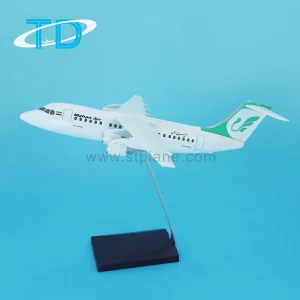
Evaluate if the manufacturer can design custom tool trays and specialty sockets for specific aircraft types (e.g., Airbus A320, Boeing 737, or specialized regional aircraft like the Bae-146).
Ensure the manufacturer's torque tools meet ISO 6789 standards. Calibrations should be traceable to national standards (NIST or regional equivalents) for reliable performance.
Operating a fleet internationally requires compliant tooling. Ground Support Equipment (GSE) and maintenance tools must meet the safety regulations of the target airworthiness authority. Whether operating under FAA guidelines in the United States, EASA rules in Europe, or CAAC standards in China, tool kits must align with local aviation requirements.
Leading manufacturers address these regional differences through localized support models, offering on-site calibration, metric-to-imperial converter kits, and localized documentation. Additionally, maintaining compliance with environmental regulations like REACH, RoHS, and local recycling frameworks ensures that tool finishes and composite storage containers meet international environmental standards.
Answers to common questions from aviation procurement and quality assurance teams.
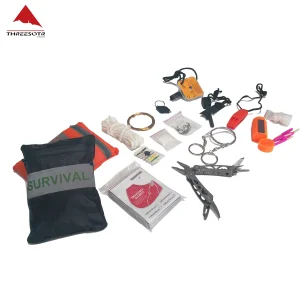
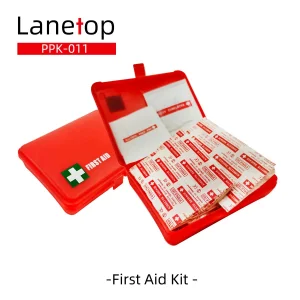
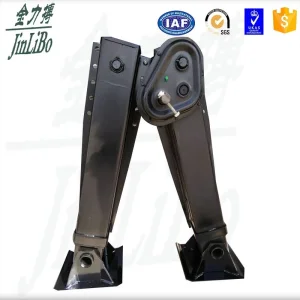
Explore our additional technical offerings, ranging from avionics hardware to survival gear and industrial structures.
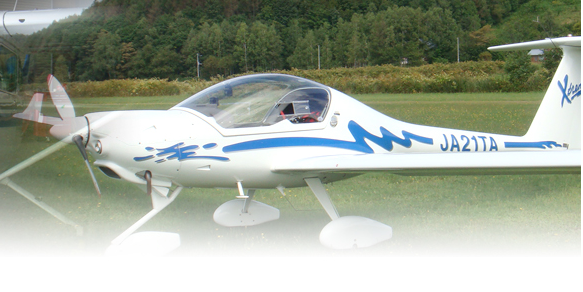
Established in 1996, Aero Apex was built on a simple promise: to provide a safe and pleasant flight experience for pilots and passengers alike. As aviation technology has advanced, our team has grown alongside it, focusing on sourcing and supplying high-quality aircraft parts and precision tooling systems. We work closely with our partners and customers to help support the general aviation industry, ensuring safety, efficiency, and quality at every step.
 Aero Apex