Discover high-performance components across automotive, defense, structural electronics, and agricultural machinery engineered for extreme operating conditions.
In modern high-precision engineering, industrial surface cleanliness has evolved from a basic aesthetics checklist to a mission-critical reliability metric. Degreasing equipment, specifically vapor degreasers, ultrasonic multi-stage aqueous cleaning lines, and vacuum solvent systems, represents the frontline defense against microscopic particulate residues, stamping fluids, heavy drawing lubricants, and synthetic machining oils. Under strict regulatory guidelines, the manufacturing sector has transitioned away from classic chlorinated hydrocarbons like Trichloroethylene (TCE) to eco-safe, zero-ozone-depletion fluorinated solvents and closed-loop aqueous formulations.
As components shrink in scale and increase in mechanical load—such as electric vehicle transmission gears, medical grade implants, and aerospace-level avionics housings—the threshold for allowable organic contamination has dropped exponentially. Achieving compliance under ISO 16232 (Cleanliness of Fluid Components) and VDA 19 standards requires custom-engineered degreasing machines with optimized cavitation dynamics, absolute thermal barrier control, and integrated vacuum-assisted drying mechanisms.
Selecting the optimal degreasing topology dictates operational throughput, chemical waste output, and long-term operating costs. Below, we compare the three industry-leading modalities for modern processing plants.
| Technology Type | Primary Application | Cleanliness Standards | Solvent Lifecycle Efficiency | Environmental & VOC Footprint |
|---|---|---|---|---|
| Modified Alcohols / Vacuum Systems | High-density blind holes, micro-avionics, aerospace gears. | Extreme (Sub-micron level particulates) | Closed-loop, vacuum distillation recovers 99% of solvent. | Minimal VOC release, strict operator safety controls. |
| Ultrasonic Aqueous Washing | Automotive stamping parts, medical instruments, heavy castings. | High (Dependent on surfactant dilution) | Continuous filtration required; requires wastewater management. | Zero VOC, but high water consumption footprint. |
| Co-Solvent Vapor Degreasing | High-volume automotive components, electronic connectors. | Very High (Removes polar and non-polar soils) | Semi-closed systems, periodic chemical balancing needed. | Moderate VOC, requires refrigeration condensing coils. |
For global procurement managers, partnering with Chinese degreasing equipment factories is no longer just about cost arbitrage. It is about accessing cutting-edge technology platforms that integrate Industry 4.0 principles with high-capacity engineering capabilities. The integration of IoT monitoring platforms, custom PLC controllers (such as Siemens or Mitsubishi architectures), and robust robotic handling gantries allows Chinese exporters to deliver turnkey systems that slide seamlessly into existing automated production lines.
From precision sheet metal cutting to high-frequency ultrasonic transducers (28kHz to 120kHz), Chinese manufacturing hubs in Zhejiang, Guangdong, and Jiangsu leverage geographical clusters that reduce raw material sourcing delays to near-zero margins.
Top Chinese exporters build machinery to match stringent international standards, including CE marking, UL electrical listings, ASME pressure vessel codes, and EPA solvent emission regulations.
Whether you require a multi-stage ultrasonic dip tank for engine block castings or a vacuum vapor degreaser for optical glass panels, these factories excel in rapid custom engineering using advanced 3D CAD modeling.
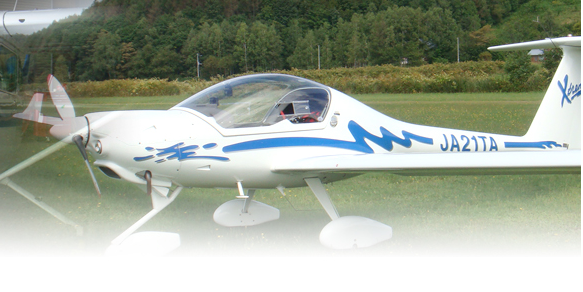
The core ethos of Aero Apex is heavily tied to the relentless pursuit of component safety. Since our inception in 1996, our mission has been simple yet absolute: to ensure every pilot and passenger enjoys a "pleasant and safe flight experience." Over decades of import-export specialization in high-quality aircraft parts and aviation components, we have learned that the structural integrity of an airplane relies on absolute cleanliness at every step of manufacturing and refurbishment.
A typical small four-seater aircraft is built from more than 12,000 individual parts. Every single bolt, spar, engine valve, and structural rib must withstand extreme pressures, low temperatures, and vibrational forces. Any micro-residue of lubricants left over from machining processes can lead to stress corrosion cracking, material fatigue, and catastrophic in-flight failures. By evaluating and auditing the world's top degreasing machinery manufacturers, we bring our rigorous aviation inspection protocols to the industrial cleaning space. "Do what you can today, today"—our founding philosophy—guides our effort to audit degreasing machinery suppliers with the highest level of detail, verifying that their systems deliver the absolute reliability demanded by our global customers.
Founded in 1996, Aero Apex was established with a simple yet profound mission: to provide every pilot and passenger with a "pleasant and safe flight experience." Over the years, this commitment has only grown stronger, and as the aviation industry has evolved, so has our dedication to ensuring the highest standards of service and quality. Specifically, we have placed a strong focus on importing top-quality aircraft parts and related products, ensuring that every component we provide meets the highest safety and reliability standards.
While the term "aircraft parts" may seem straightforward, it is important to recognize the complexity behind it. For example, a small four-seater airplane consists of over 12,000 individual parts, each playing a crucial role in ensuring the safety and performance of the aircraft.
The continuous innovations within the aviation industry provide daily opportunities for discovery. Each new advancement keeps our enthusiasm alive and ensures that we remain deeply engaged with the field. This passion goes beyond the aircraft themselves; it is about understanding how aviation impacts the world, connecting people, and contributing to a safer and more efficient flying experience for all.
With years of experience in the industry, we are in a unique position to offer valuable advice to our customers while simultaneously learning from them. The exchange of knowledge and insights has been mutually beneficial, helping us stay at the forefront of the industry. We truly value the relationships we have built with our customers, and believe that through these interactions, we are able to help improve and elevate the general aviation industry as a whole.
Cleanliness requirements differ vastly by industry vertical. Modern degreasing equipment lines must be configured to target specific soils and substrate materials:
Engine components, transmission gear assemblies, and cast aluminum engine block parts require robust organic oil removal. Stamping, drawing lubricants, and cooling fluids must be cleared before thermal treatment or physical vapor deposition (PVD) coating processes. Failure to clean residues can result in blistering coatings and mechanical slippage.
In high-tech sectors, such as producing Graphic FSTN LCD modules, microscopic particles can disrupt light polarization and distort pixel displays. Ultrasonic immersion in multi-stage deionized water and alcohol-based vapor baths guarantees clean contact surfaces without degrading fine circuitry.
For heavy transport components like railway turnout hook-locks, degreasing prevents mechanical seizing. Sourcing heavy-duty aqueous spray washers removes industrial greases and protective rust-preventative waxes before installation in field environments.
Get authoritative answers on performance, regulatory guidelines, chemistry compatibility, and installation planning.
Select industrial products engineered for logistics, transportation safety, and high-performance automotive platforms.
 Aero Apex